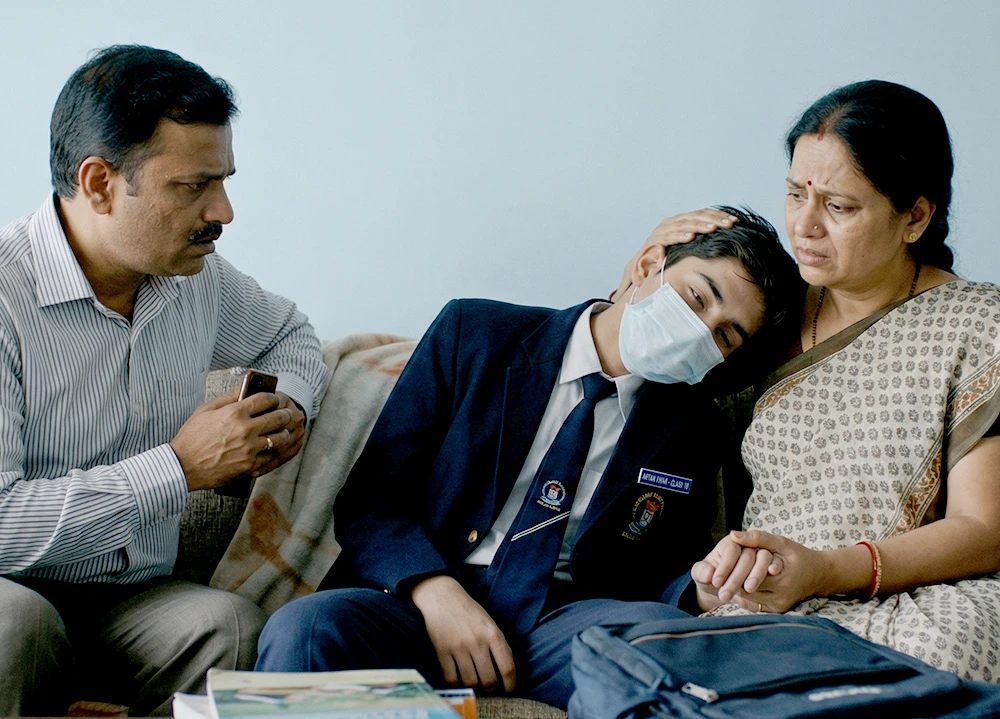
It is a cycle every parent knows all too well. The school term begins, the first cold front hits, and within days, your child is home with a fever, a cough, or a runny nose. Meanwhile, you notice other children in the same classroom—exposed to the same germs and playing in the same parks—who seem completely unaffected, breezing through the winter months without a single sniffle.
As a parent, this can be incredibly draining. You find yourself constantly sanitizing surfaces, packing extra vitamins, and asking the same frustrating question: why does my child get sick so often? When “common” bugs become a recurring theme in your household, it feels less like bad luck and more like a mystery that needs solving. The truth is that the answer often isn’t about cleanliness or “weakness”; it is found in the unique way your child’s immune system is calibrated by their DNA.
The Myth of the "Weak" Immune System
When parents ask, “why does my child get sick so often?” the most common fear is that their child has a “weak” immune system. However, immunology is rarely that simple. It is more accurate to think of the immune system as a highly specialized security team. Some security teams are laid back, while others are on high alert, reacting aggressively to every shadow.
A child who seems to catch every bug may not have a “weak” system; they may simply have a differently calibrated immune response pattern. This calibration is heavily influenced by child immunity genetics India, where environmental factors and heritage play a significant role in how a young body identifies and reacts to pathogens.
The Blueprint of Defense: HLA Genes and Beyond
At the core of this biological calibration are the HLA genes. The Human Leukocyte Antigen (HLA) system is like the “ID scanner” of the immune system. These genes provide instructions for proteins that sit on the surface of cells, helping the body distinguish between its own healthy cells and foreign invaders like viruses or bacteria.
HLA Gene Immune Response
Variations in the HLA gene immune response can determine how efficiently a child’s body “sees” a specific bug. If a child’s HLA profile is less tuned to certain common respiratory particles, the virus may get a “head start” before the immune system even realizes it needs to fight back. This delay is a primary reason why one child might stay healthy while another ends up in bed for a week.
IL-6 and Immune Activation
Another critical factor is the IL-6 gene, which governs the production of Interleukin-6, a signaling protein that triggers inflammation. Some children have genetic tendencies toward higher immune activation. In these cases, the body doesn’t just fight the virus; it overreacts, leading to higher fevers and more significant symptoms. Understanding these genetic immunity test child markers helps parents realize that the symptoms they see are actually the body’s specific way of handling a threat.
The Vitamin D Connection in Indian Children
Even in a sun-drenched country, vitamin D child India statistics show a surprising trend of insufficiency. While many parents supplement with Vitamin D, the body’s ability to actually use that nutrient is governed by the Vitamin D Receptor (VDR) gene.
The VDR gene determines how effectively Vitamin D is absorbed and utilized by the cells. Since Vitamin D is a “master controller” for immune health, a child with specific VDR variations may have a harder time maintaining the levels needed for a robust defense. If you have ever wondered, “why does my child get sick so often even though they eat well and play outside?” the answer may lie in their absorption tendencies rather than their intake.
Why One Size Does Not Fit All in Pediatric Health
For generations, the advice for why child always sick has been a standard list: more citrus fruits, earlier bedtimes, and warmer clothes. While these are good habits, they don’t account for the fact that every child’s biological requirements are different.
For a child with specific immune response patterns, a “standard” routine might not be enough. For example:
Nutrient Sensitivity: Some children may require higher levels of Zinc or Vitamin A based on their metabolic markers to support their mucosal barriers.
Recovery Rhythms: Genetics can influence how quickly the body “stands down” after an illness. Some children stay fatigued longer because their inflammatory markers take more time to return to baseline.
When you stop asking, “why does my child get sick so often?” and start asking, “what are my child’s unique immune tendencies?” you move from a reactive state of parenting to a proactive one.
Profiling Immunity with the Children’s Health Blueprint
Understanding your child’s health doesn’t have to be a guessing game. Modern science allows us to look at the genetic immunity test child profiles to see exactly how their “security team” is built.
The Children’s Health Blueprint at Lifecode provides a detailed look into these specific markers. It doesn’t provide a diagnosis; instead, it frames a child’s health through the lens of tendencies. For instance, a profile might show a tendency toward lower Vitamin D receptor sensitivity or a specific pattern in how the HLA gene immune response handles environmental triggers.
This information is invaluable for parents. It allows you to:
Personalize Nutrition: Focus on the specific vitamins and minerals your child’s body struggles to absorb or utilize.
Adjust Environments: Understand if your child is more sensitive to certain seasonal shifts or indoor allergens that might be taxing their immune system.
Manage Expectations: Recognize that your child’s “frequent colds” are a result of a specific biological calibration, allowing you to support them without the stress of the unknown.
Bridging the Gap: From Sick Days to Growth Days
The goal is not just to stop the current cough, but to build a foundation where the child’s body can handle challenges more efficiently. When you address the root cause of why does my child get sick so often, you are giving them the tools for better long-term health.
By focusing on child immunity genetics India, we acknowledge that our children are growing up in a unique environment that requires a tailored approach. Whether it’s the air quality in our cities or the specific nutrient density of our food, genetic insights provide the context needed to make the best choices for the next generation.
Understand Your Child's Unique Immune Language
Every child is a unique “blueprint.” Some are built for sprinting, some for deep thinking, and some have immune systems that require a little more specific support to navigate the winter months. Knowing where your child stands allows you to stop comparing them to the “unaffected” kids in class and start supporting the incredible body they actually have.