
Gene Overview
HLA Variants
HLA variants do not determine whether a person will develop an immune condition, but they contribute to how efficiently the immune system identifies, responds to, and tolerates both foreign threats and the body’s own tissues throughout life.
The Human Leukocyte Antigen (HLA) system represents is one of the most genetically diverse regions in the human genome, encoding proteins that sit on the surface of cells and present molecular fragments to immune cells for recognition. Certain variations are associated with differences in immune precision, inflammatory tendency, autoimmune risk, and the ability to mount effective responses to infection and environmental triggers.
Why HLA Variants Matter for Your Health
HLA variants have broad implications across multiple immune, inflammatory, and systemic health systems. Understanding HLA helps explain why some people respond more strongly to certain infections, environmental exposures, or dietary components, and why immune-related conditions can vary so significantly between individuals.
Immune Recognition
Determines how accurately immune cells distinguish between foreign threats and the body's own healthy tissue
Autoimmune Tendency
Influences the likelihood of immune reaction toward self-tissues under certain conditions
Inflammation Response
Affects the strength, speed, and resolution of inflammatory signalling during immune activation
Infection Defence
Shapes the depth and specificity of the immune response to bacterial, viral, and environmental antigens
Dietary & Environmental Sensitivity
Certain HLA variants are linked to immune reactivity triggered by specific food proteins or environmental exposures
Key Functions of HLA Variants
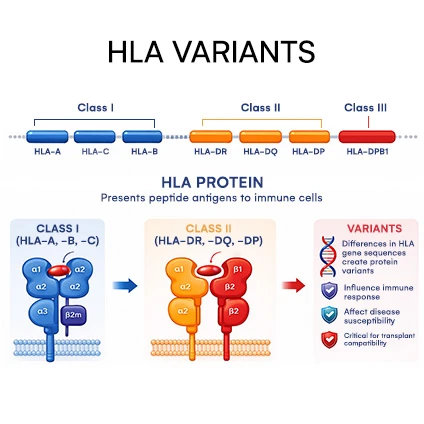
- Encode surface proteins responsible for presenting antigens to immune cells
- Enable the immune system to distinguish self from non-self at a molecular level
- Regulate T-cell activation and the orchestration of adaptive immune responses
- Influence the balance between immune tolerance and immune reactivity
- Play a central role in determining susceptibility or resistance to specific immune conditions
- Contribute to the body's inflammatory threshold and resolution capacity
How HLA Variants May Influence You
This is not a diagnosis. It indicates tendencies that can be influenced through daily choices.
Higher Efficiency Variant
May support more precise immune recognition, stronger pathogen defense, and better immune tolerance of self-tissues.
Moderate Variant
Typically indicates balanced immune function with no major advantage or limitation in immune recognition and response.
Lower Efficiency Variant
May require stronger lifestyle support to manage inflammatory sensitivity, immune reactivity, and long-term immune regulation effectively.
Scientific Foundation
Science Behind HLA Variants
The HLA System
HLA genes are located on chromosome 6 and encode proteins belonging to the Major Histocompatibility Complex (MHC). These proteins are classified into two main groups — Class I (HLA-A, HLA-B, HLA-C), which present antigens to cytotoxic T-cells, and Class II (HLA-DR, HLA-DQ, HLA-DP), which present antigens to helper T-cells. Together, they form the molecular foundation of adaptive immune recognition, enabling the body to mount targeted and lasting immune responses to specific threats.
Autoimmunity & Disease Association Research
Research has identified strong associations between specific HLA variants and a range of immune-related conditions including celiac disease, type 1 diabetes, rheumatoid arthritis, ankylosing spondylitis, and multiple sclerosis. These associations reflect differences in immune tolerance thresholds and antigen-presentation precision rather than direct causation, with environmental and lifestyle factors playing a significant moderating role.
Gene Interactions
HLA variants work alongside genes like TNF, IL–6, CTLA4, and CYP21A2, collectively shaping how the immune system calibrates its responses to internal and external challenges. The interaction between HLA type and gut microbiome composition is also an active and growing area of immune research.
How Lifestyle Influences HLA Variants
Although genes are fixed, HLA-associated immune function and inflammatory tone are significantly influenced by lifestyle and environmental exposures.
Nutrition
An anti-inflammatory dietary pattern rich in diverse plant foods, fibre, and omega-3 fatty acids supports immune regulation and helps modulate the inflammatory responses associated with HLA-related immune activity.
Sleep
Consistent, quality sleep is essential for immune memory consolidation, regulatory T-cell function, and the resolution of low-grade inflammatory activity linked to HLA pathways.
Stress
Focused stress management supports HLA-associated immune balance. Chronic psychological stress is known to dysregulate immune tolerance and amplify inflammatory signalling, particularly in individuals with reactive HLA profiles.
Movement
Regular moderate-intensity physical activity supports healthy immune surveillance, reduces systemic inflammatory markers, and promotes the immune regulatory pathways that complement HLA function.
Habits
Long-term lifestyle consistency matters more than short-term interventions — the immune system is shaped by sustained environmental and behavioral inputs over time.
Signs You May Benefit From Understanding HLA Variants
How Lifecode Interprets HLA Variants in Your Report
Our comprehensive interpretation analyzes your HLA variants alongside related immunity and inflammation genes to provide personalized insights into your immune recognition tendencies, inflammatory profile, dietary sensitivities, and autoimmune risk patterns. We categorize findings and prioritize actionable recommendations based on your complete genetic profile.
Lifestyle Guidance
Practical Recommendations
These are general lifestyle considerations, not medical advice.
Nutrition
Prioritize an anti-inflammatory diet rich in diverse plant foods, omega-3 fatty acids, and gut-supportive fibre to help moderate HLA-associated immune reactivity.
Recovery
Build consistent sleep and recovery routines to support immune regulation, inflammatory resolution, and immune memory maintenance.
Stress Management
Incorporate regular stress-reduction practices such as mindfulness, gentle movement, or breathwork to help maintain immune tolerance and reduce chronic inflammatory signalling.
Supplements
General immune-support and anti-inflammatory supplementation may be discussed during consultation.
Daily Habits
Focus on consistency over intensity sustained anti-inflammatory lifestyle habits provide the greatest long-term benefit for HLA-related immune health and systemic inflammatory balance.
FAQ
Frequently Asked Questions
HLA variants are genes that help your immune system tell the difference between harmful germs and your own body. They guide how your body reacts to infections and other triggers.
No. They do not directly cause diseases. They only affect your risk. Your lifestyle, environment, and habits also play a big role in whether a condition develops.
HLA differences can make the immune system stronger or more sensitive. This may explain why some people fight infections easily, while others get sick more often.
Yes. Healthy habits like good sleep, balanced food, and stress control can help your immune system work better, even if your genes increase sensitivity.
Testing can help you understand your immune tendencies. It does not give a diagnosis but can guide better lifestyle choices and preventive care.
Speak to a Lifecode Consultant
“Understanding HLA Variants helps you focus on resilience and recovery rather than chasing quick fixes.”