For many people, maintaining a healthy weight feels like an uphill battle. You might see a friend eat whatever they want without gaining a pound, while you feel as though you only have to look at a cookie to see the scale move. This isn’t just a matter of “willpower.” Often, the answer lies in your DNA.
Understanding what an obesity genetic predisposition means can help shift the conversation from guilt to biology. It is not a guarantee that you will be obese, but rather a look at how your body is wired to handle food and energy.
Defining Genetic Predisposition
A genetic predisposition means you have certain “variations” in your DNA that make you more likely to develop a condition—in this case, obesity. Think of it like a deck of cards: your genes deal the hand, but you still choose how to play it.
According to the Harvard T.H. Chan School of Public Health, scientists have identified hundreds of different genes that can contribute to weight gain. Research shows that genetics can influence body weight by approximately40% to 70%.
How Your Genes Influence Weight
Your genes don’t just “make you fat.” Instead, they control the “under-the-hood” settings of your body. Here is how that predisposition actually works:
Appetite and Hunger: Some people have genes variants that make their “hunger switch” stay on longer. They might not feel “full” as quickly as others after a meal.
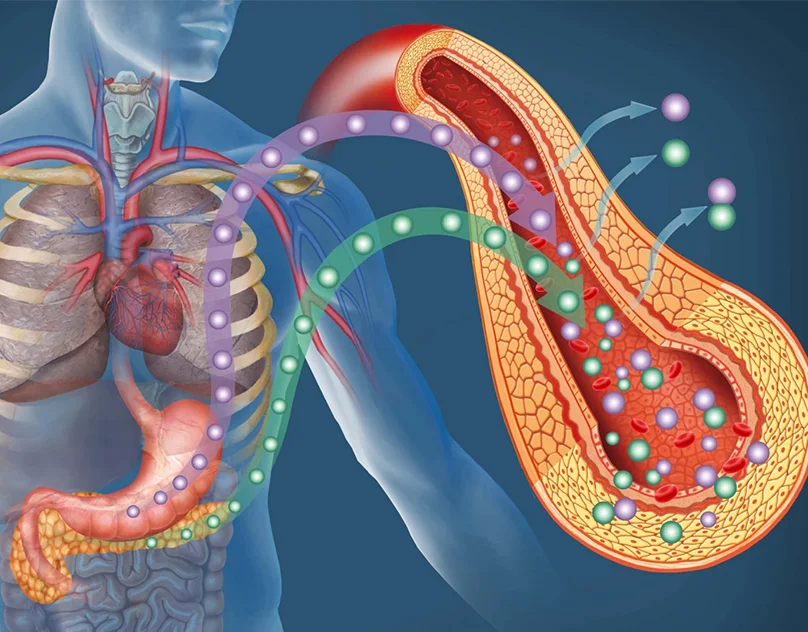
Satiety Signals: This is the signal your stomach sends to your brain saying, “I’ve had enough.” For those with a predisposition, this signal might be weak or delayed.
Fat Storage: Your DNA tells your body whether to burn extra calories as heat or store them as fat for a “rainy day.”
Food Cravings: Certain genetic markers are linked to a higher preference for high-calorie, sugary, or fatty foods.
Genetic Testing: Turning Insight into Action
If you feel like you are fighting your own body, genetic testing can be the tool that helps you stop guessing. It provides a roadmap of your unique metabolism.
The Role of Genetic Testing
Genetic testing for obesity focuses on identifying specific markers, such as the FTO gene (the most well-known gene linked to obesity). Here is how this testing helps:
Personalized Diet Plans: Testing can reveal if you are more sensitive to carbohydrates or fats. This allows you to choose a diet that actually works with your biology rather than against it.
Understanding Hunger: If a test shows you have a “low satiety” marker, you can focus on high-volume, low-calorie foods (like leafy greens) to help your brain feel full.
Exercise Efficiency: Some people may lose weight more effectively through high-intensity cardio, while others respond better to strength training. Your genes can point you in the right direction.
Medication and Supplement Support: Doctors can use genetic data to see if you might benefit from specific supplements or medications that help regulate blood sugar or appetite.
Key Takeaway: Genetic testing doesn’t tell you that you can’t lose weight. It tells you how your body prefers to do it.
Living with a Predisposition
It is important to remember that your environment and habits are still powerful. Scientists call this “epigenetics“—the study of how your behaviors can turn certain genes “on” or “off.”
The “Obesogenic” Environment: Our world is full of cheap, high-calorie food. If you have a genetic predisposition, you simply have to be more mindful of these triggers than someone else might be.
Small Wins Matter: Even a 5% to 10% weight loss can significantly lower your risk for diseases like Type 2 diabetes and heart disease, regardless of your genetics.
Focus on Health, Not Just the Scale: Improving sleep and reducing stress can help lower cortisol, which prevents your “fat-storage” genes from working overtime.
Knowing your genetic predisposition is a form of empowerment. It allows you to stop comparing your journey to others and start focusing on what your body specifically needs.