When we talk about metabolism, many people think only of how fast they burn calories. However, your metabolism is actually a complex series of chemical reactions that keep your body alive and functioning. At the heart of these processes are your metabolic genes.
These genes act like an instruction manual, telling your body how to process nutrients, create energy, and clear out waste. By understanding what these genes influence, you can make more informed choices about your diet, exercise, and overall lifestyle.
The Reach of Metabolic Genes
Your metabolic genes don’t just dictate your weight; they influence almost every biological system in your body. Research suggests that genetics can account for 40% to 70% of the variation in body mass index (BMI) among individuals.
Here are the primary areas influenced by these genes:
Nutrient Processing: Genes determine how efficiently you break down carbohydrates, fats, and proteins. For example, some people carry variations that make them more sensitive to saturated fats, while others may struggle with sugar metabolism.
Energy Regulation: Your “basal metabolic rate” (the calories you burn at rest) is heavily influenced by your genetic makeup.
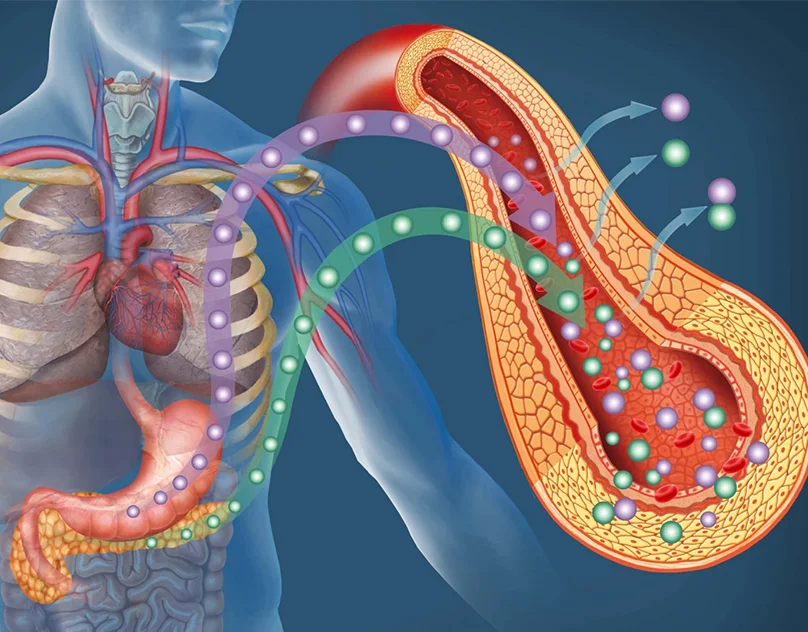
Hormone Sensitivity: Genes affect how your body responds to hormones like insulin, which regulates blood sugar, and leptin, which tells your brain when you are full.
Detoxification: Certain genes govern how your liver processes toxins and medications.
Vitamin Absorption: Your DNA can influence how well you absorb essential nutrients like Vitamin D, B12, and Folate.
Genetic Testing: The Key to Personalization
If your genes are the blueprint, genetic testing is the magnifying glass that helps you read it. In the past, health advice was “one size fits all.” Today, we know that a diet that works for one person might not work for another because of their unique genetic code.
Why Genetic Testing Matters
Genetic testing involves analyzing a small sample of DNA (usually from saliva) to identify specific variations called SNPs (Single Nucleotide Polymorphisms).
Precision Nutrition: Instead of guessing which supplements you need, testing can show if you have a genetic predisposition for a certain deficiency.
Exercise Optimization: Some people are genetically predisposed to excel at power and strength training, while others see better metabolic results from endurance activities.
Disease Prevention: According to the Centers for Disease Control and Prevention (CDC), understanding your family health history and genetic risks can help you take steps to prevent chronic conditions like Type 2 diabetes or heart disease.
Weight Management: Testing can reveal if your body is more likely to regain weight after a diet, allowing you to create a more sustainable long-term plan.
Note: Genetic testing provides a map, not a destiny. While genes influence your health, your environment and daily habits (epigenetics) play a massive role in how those genes are “expressed.”
Improving Your Metabolic Health
While you cannot change your DNA, you can change how your genes behave. This is often referred to as “living in alignment” with your biology.
Eat Whole Foods: Choosing unprocessed foods helps reduce the stress on your metabolic pathways.
Stay Active: Regular movement helps improve insulin sensitivity, regardless of your genetic starting point.
Manage Stress: High cortisol levels can “flip switches” in your metabolism that lead to fat storage.
Consult Professionals: Work with a healthcare provider or a genetic counselor to interpret your results accurately. For more information on how genetics impact health, you can visit the National Institutes of Health (NIH) Genetics Home Reference.