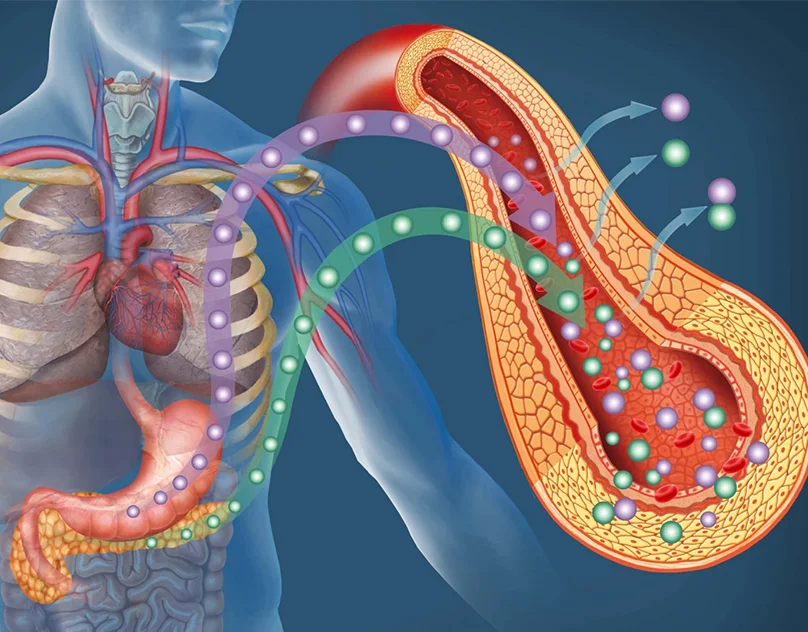
Insulin is one of the most important hormones in your body. Its main job is to act like a key that opens the doors to your cells, allowing blood sugar (glucose) to enter and provide energy. When your cells respond well to this hormone, you have high insulin sensitivity. When they don’t, your body struggles to manage its fuel.
While lifestyle choices like exercise and diet play a huge role, your DNA provides the “factory settings” for this process. Understanding what insulin sensitivity genes regulate is the first step in preventing metabolic fatigue and long-term health issues.
The Command Center: What These Genes Control
Insulin sensitivity isn’t just one thing; it is a series of chemical reactions. Your genes regulate several key stages of this process:
Glucose Transport: Specific genes control “transporter” proteins (like GLUT4). These act as the actual doors that let sugar into your muscles and fat cells.
Insulin Receptor Function: Some genes determine how “sticky” your insulin receptors are. If the receptor is shaped slightly differently due to a genetic variation, the insulin “key” might not fit the lock perfectly.
Fat Cell Storage: Genes regulate whether you store fat around your organs (visceral fat) or under your skin. Visceral fat produces chemicals that can make your body less sensitive to insulin.
Inflammation Levels: Certain genetic markers control your body’s inflammatory response. High levels of chronic inflammation can “clog” the communication between insulin and your cells.
According to the American Diabetes Association (ADA), insulin resistance is a major factor in the development of Type 2 diabetes, which affects millions of people worldwide. Research suggests that genetic factors can influence your risk of insulin resistance by as much as 30% to 50%.
Genetic Testing: Precision Knowledge for Metabolic Health
If you feel like you are doing “everything right” but still feel sluggish or struggle with weight, the problem might be a mismatch between your habits and your genes. This is where genetic testing changes the game.
The Role of Genetic Testing
Genetic testing looks at specific variations in your DNA to see how your body is wired to handle sugar and insulin.
Identifying the “PPARG” Gene: This is a master regulator of fat metabolism and insulin sensitivity. Testing can tell you if your body is genetically better at processing unsaturated fats versus saturated fats to maintain healthy blood sugar.
The TCF7L2 Variation: This is one of the most well-studied markers for blood sugar health. Knowing you have this variant allows you to be proactive with your diet years before a problem shows up on a standard blood test.
Personalized Carb Tolerance: Some people can eat high amounts of carbohydrates without an insulin spike, while others see a massive rise. Genetic testing may help you find your “carb threshold.”
Exercise Selection: Genes also regulate how much your insulin sensitivity improves after a workout. Testing can show if you need more strength training or steady-state cardio to get the best metabolic results.
By using genetic data, you move away from “trial and error” and toward a plan that is scientifically designed for your body. For more detailed information on how genetics impact chronic disease, visit the Centers for Disease Control and Prevention (CDC).
How to Support Your Insulin Genes
Even if you have a genetic predisposition for lower insulin sensitivity, you can “nudge” your genes to behave better through specific habits:
Fiber First: Eating fiber-rich vegetables before carbohydrates can slow down sugar absorption, putting less stress on your insulin response.
The Power of Muscle: Muscle tissue is the primary user of glucose. Increasing your muscle mass gives your body more “sinks” to dump sugar into.
Magnesium Intake: Magnesium is a cofactor for many enzymes involved in glucose metabolism. Many people with insulin sensitivity issues are genetically prone to magnesium deficiency.
Consistent Sleep: Just one night of poor sleep can temporarily make you as insulin resistant as a person with Type 2 diabetes.
Final Section: Unlock Your Biological Blueprint
Understanding your insulin sensitivity is the foundation of long-term energy and weight management. You don’t have to guess how your body handles fuel anymore.
Take the Guesswork Out of Your Diet Generic health advice doesn’t account for your unique DNA. Lifecode provides the clarity you need to optimize your metabolism and protect your future health. Our panels look deep into your genetic markers to provide actionable insights tailored only to you.
Start your journey to better metabolic health. Visit Lifecode.life to learn more about our Advanced Genetic Testing and discover what your genes are telling you. Lifecode is here to help you live in alignment with your biology.