
Gene Overview
TCF7L2 (Transcription Factor 7 Like 2)
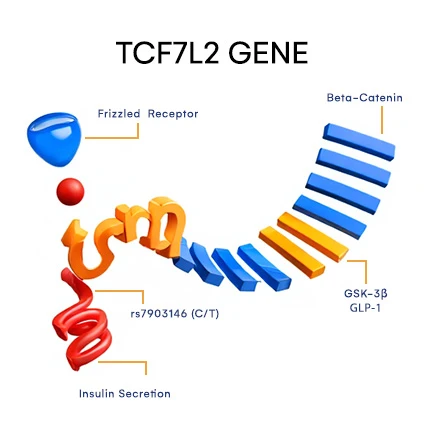
The TCF7L2 gene helps regulate how the body manages glucose after eating. It controls signals involved in insulin release and glucose processing. This gene works within complex metabolic signaling networks rather than acting alone. Variations in TCF7L2 may influence how efficiently the pancreas responds to rising blood sugar levels.
These patterns can affect long-term glucose balance and metabolic flexibility. Importantly, genetic differences alone do not determine health outcomes. Diet, physical activity, sleep, and body composition strongly interact with this pathway.
Why TCF7L2 Matters for Your Health
TCF7L2 is one of the most studied genes involved in glucose regulation. Understanding this pathway helps explain differences in how individuals respond to carbohydrates and maintain metabolic balance.
Glucose Regulation
Influences how the body processes blood sugar after meals
Insulin Signaling
Helps regulate signals that stimulate insulin secretion
Metabolic Flexibility
Affects how efficiently the body adapts to changing energy intake
Pancreatic Function
Supports communication between glucose levels and insulin release
Long-Term Metabolic Balance
Linked to patterns influencing type 2 diabetes risk
Key Functions of TCF7L2
- Regulates genes involved in glucose metabolism
- Influences insulin secretion signals
- Participates in pancreatic beta-cell function
- Coordinates metabolic signaling in response to food intake
- Supports balance between glucose production and utilization
- Integrates metabolic signals from diet and energy demand
How TCF7L2 Variations May Influence You
This is not a diagnosis. It reflects tendencies shaped over time.
Higher Glucose Regulation Efficiency Pattern
May support stable glucose handling and effective insulin response.
Typical Regulation Pattern
Usually reflects expected glucose processing without pronounced advantage or limitation.
Lower Glucose Regulation Efficiency Pattern
May show increased sensitivity to carbohydrate intake and may benefit from structured metabolic-supportive habits.
Scientific Foundation
Science Behind the TCF7L2 Gene
Glucose Signaling Mechanism
TCF7L2 regulates transcription of genes involved in glucose metabolism and incretin signaling. These signals influence how the pancreas releases insulin after food intake. Efficient signaling supports balanced blood sugar regulation.
Metabolic Research Findings
Genetic studies consistently link TCF7L2 variants with differences in glucose tolerance and insulin secretion patterns. These associations become more relevant when combined with lifestyle factors such as diet and body composition.
Pathway Integration
TCF7L2 interacts with insulin pathways, incretin hormones, and cellular nutrient sensing systems, coordinating glucose metabolism across multiple organs. TCF7L2 is part of the Wnt signaling pathway, which plays a broader role in cellular regulation and metabolic control.
How Lifestyle Influences TCF7L2 Activity
Genetic baseline exists, but metabolic outcomes depend heavily on lifestyle patterns.
Nutrition
Diet composition strongly influences glucose regulation pathways.
Sleep
Consistent sleep supports metabolic hormone balance.
Stress
Chronic stress may affect insulin sensitivity and glucose metabolism.
Movement
Regular physical activity improves glucose utilization.
Habits
Stable eating patterns help maintain metabolic stability.
Signs You May Benefit From Understanding TCF7L2
How Lifecode Interprets TCF7L2 in Your Report
Lifecode evaluates TCF7L2 alongside insulin signaling, glucose metabolism, and energy regulation pathways. Interpretation focuses on patterns influencing blood sugar control, metabolic flexibility, and long-term metabolic resilience. Insights are interpreted within the broader metabolic genetic framework rather than relying on a single gene variant. Results should be interpreted in conjunction with clinical context and biochemical markers.
Lifestyle Guidance
Practical Recommendations
These are general lifestyle considerations, not medical advice.
Nutrition
Maintain balanced meals that support steady glucose levels.
Recovery
Prioritize sleep to maintain metabolic hormone regulation.
Stress Management
Reduce chronic stress that may affect insulin signaling.
Movement
Regular physical activity improves glucose utilization.
Daily Habits
Consistent routines support long-term metabolic balance.
FAQ
Frequently Asked Questions
No. Having a variant does not mean you will develop diabetes. It simply means your body may need more support through diet, movement, and lifestyle habits to keep blood sugar balanced.
Common signs include energy crashes after meals, sugar cravings, feeling hungry soon after eating, or a family history of Type 2 Diabetes.
You cannot change your gene, but you can influence how it behaves. Regular exercise, balanced meals, good sleep, and stress management can all positively affect how this gene functions.
Focus on whole foods, fibre-rich vegetables, and balanced meals. Avoid excess refined sugar and processed carbohydrates, which can overload the glucose regulation system.
Lifecode analyses your TCF7L2 variant alongside other metabolic genes to give you a personalised picture of how your body handles blood sugar and energy.
Speak to a Lifecode Consultant
“Understanding TCF7L2 helps you focus on resilience and recovery rather than chasing quick fixes.”