

Why You Are Still Tired After 8 Hours of Sleep and How to Fix It
- The Myth of the Eight Hour Standard
- The Role of Genetics in Your Rest
- The CLOCK Gene and Your Circadian Rhythm
- Understanding Sleep Architecture
- Why Am I Tired After 8 Hours?
- Decoding Your Sleep with Lifecode
- Managing the High-Stress Professional’s Energy
- The Path to Restoration
- Discover Your Biological Sleep Blueprint
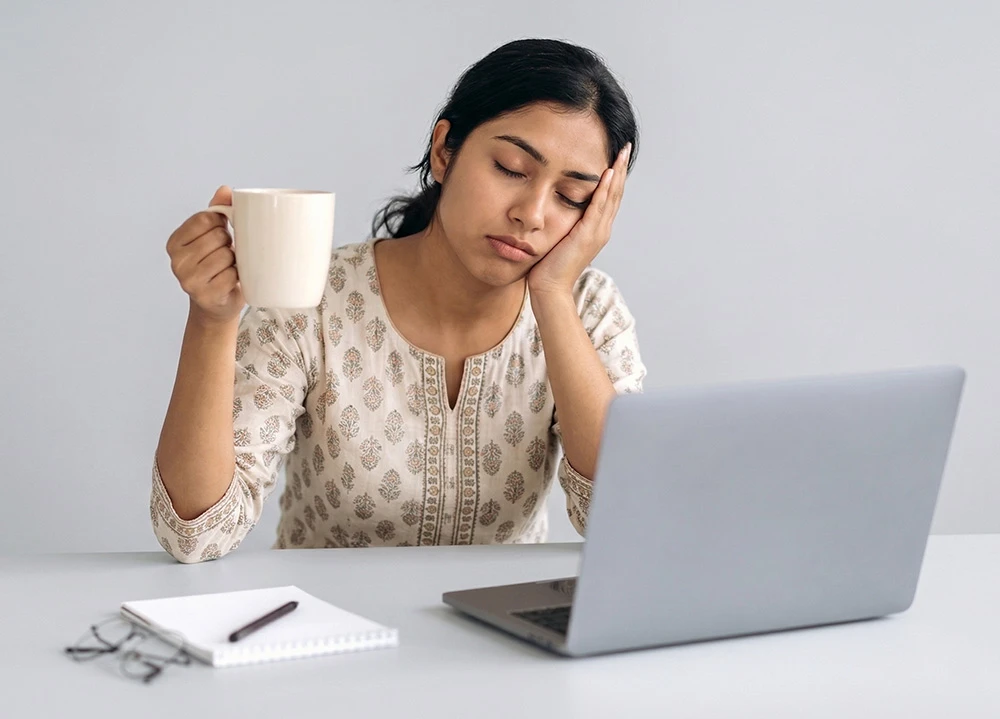
The alarm rings at 7:00 AM, and your first instinct isn’t to start the day; it’s to wonder where the last eight hours went. You followed the “golden rule” of rest. You went to bed at a reasonable hour, avoided late-night caffeine, and stayed under the covers for a full third of the day. Yet, as you stand in front of the mirror, the heavy eyelids and mental fog tell a different story. You feel like you have never slept at all.
This frustrating cycle is a common reality for many high-stressed professionals. When you are always tired after sleeping, the natural assumption is that you simply need more time in bed. However, the disconnect between sleep quantity and sleep energy often lies deep within your biological programming. While the world focuses on the clock on the nightstand, the real answers might be found in the CLOCK gene and your unique genetic sleep patterns.
The Myth of the Eight Hour Standard
Society has conditioned us to believe that eight hours is the universal metric for success. In reality, sleep is not a flat line of unconsciousness; it is a complex, architectural process. For some, six hours of high-quality, uninterrupted cycles provide more restoration than ten hours of fragmented rest.
If you find yourself always tired after sleeping, you are likely experiencing a breakdown in sleep architecture rather than a lack of minutes. Your body moves through distinct stages—light sleep, deep sleep, and Rapid Eye Movement (REM). Deep sleep is where physical repair happens, while REM is crucial for cognitive processing and emotional regulation. If your DNA influences how quickly you transition out of these phases, you may spend the night in a state of “shallow” rest, never reaching the restorative depths required to feel truly refreshed.
The Role of Genetics in Your Rest
Recent developments in the study of sleep quality genetics India and globally have highlighted that our internal rhythms are not just habits—they are inherited. Your body operates on a circadian rhythm, an internal 24-hour clock that regulates when you feel alert and when you feel drowsy.
The CLOCK Gene and Your Circadian Rhythm
At the center of this biological machinery is the CLOCK gene. This specific gene helps regulate the timing of your sleep-wake cycles. Variations in this gene may indicate tendencies toward being a “morning lark” or a “night owl,” also known as your chronotype. For a high-stress professional, a mismatch between their career demands and their natural CLOCK gene sleep tendencies can lead to permanent fatigue. If your genetics suggest a late-night chronotype, but your job requires a 6:00 AM start, you are constantly fighting your own biology.
Understanding Sleep Architecture
Genetic markers also play a role in how your brain manages sleep cycles. Some individuals have genetic profiles that may indicate tendencies in sleep architecture where they exit REM cycles too early or have a higher sensitivity to environmental triggers. This means that even if you are unconscious for eight hours, your brain is “waking up” internally dozens of times, preventing you from reaching the deep, slow-wave sleep that clears metabolic waste from the brain.
Why Am I Tired After 8 Hours?
If the duration is sufficient, the culprit is almost always quality. There are several factors influenced by your “Blueprint” that determine why you are always tired after sleeping:
- Genetic Sensitivity to Stimulants: Your body’s ability to metabolize caffeine or stress hormones like cortisol is genetically influenced. If you are a slow metabolizer, that “early afternoon” coffee might still be circulating in your system at midnight, keeping your brain in a state of light sleep.
- Melatonin Regulation: Your genes influence how and when your brain releases melatonin, the hormone that signals it is time to sleep. If your biological “sunset” happens later than your actual bedtime, you are essentially forcing sleep on a brain that thinks it is still daytime.
- Movement and Restlessness: Certain genetic markers may indicate a tendency toward leg restlessness or micro-movements during the night. You might not remember these movements, but they pull you out of deep sleep into light sleep, leaving you exhausted the next morning.
Decoding Your Sleep with Lifecode
Understanding your genetic sleep patterns removes the guesswork from your recovery. Instead of trying every supplement or “sleep hack” found online, a DNA-based sleep profile allows you to see the specific levers that control your energy levels.
In India, where high-pressure work environments are the norm, a chronotype test India specific to your lifestyle can be a game-changer. By analyzing markers related to your circadian rhythm, nutrient metabolism, and stress response, you can begin to align your rest with your biology rather than fighting against it.
A DNA-based profile may indicate tendencies in sleep architecture that explain why your current routine isn’t working. For instance, if your markers suggest a high sensitivity to blue light or a specific requirement for cooler sleeping temperatures, small environmental shifts can yield massive returns in morning alertness.
Managing the High-Stress Professional’s Energy
For those in high-stakes roles, being always tired after sleeping isn’t just an inconvenience; it is a performance bottleneck. Stress triggers the production of cortisol, which is the biological opposite of melatonin. When you are chronically stressed, your “fight or flight” system remains slightly active even during rest.
This state of “tired but wired” is often reflected in genetic markers that govern the HPA axis (the body’s stress response system). If your genetic profile indicates a tendency toward prolonged cortisol elevation, your eight hours of sleep are likely being spent in a state of physiological high-alert. This is why you wake up feeling like you’ve just run a marathon—because, metabolically, your body never truly relaxed.
The Path to Restoration
To stop being always tired after sleeping, you must move beyond the clock and look at the code. Restoration is a highly individualized process. What works for a colleague might be the exact opposite of what your body requires.
By looking at specific markers, you can determine:
- Optimal Bedtime: Aligning your sleep with your natural circadian window.
- Nutrient Support: Identifying if your body requires specific micronutrients like magnesium or B vitamins to support deep sleep transitions.
- Environmental Optimization: Tailoring your room temperature and light exposure to match your genetic sensitivities.
Discover Your Biological Sleep Blueprint
You don’t have to settle for a life of morning fog and afternoon slumps. The secret to waking up refreshed isn’t necessarily more sleep—it’s better sleep, informed by your unique genetic makeup.
Lifecode’s Men’s and Women’s Health Blueprints provide a comprehensive look at the markers that define your health, including detailed insights into your sleep architecture and circadian rhythms. By understanding your biological tendencies, you can create a lifestyle that supports your energy rather than draining it.
Discover what your genes say about your sleep. Explore Lifecode’s Men’s or Women’s Health Blueprint.