
Gene Overview
SLC2A2 (Glucose Transporter 2 – GLUT2)
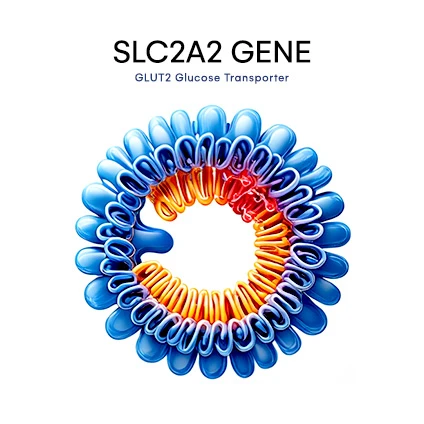
The SLC2A2 gene provides instructions for producing glucose transporter 2 (GLUT2), a protein that helps move glucose across cell membranes. This transporter plays an important role in organs such as the liver, pancreas, kidneys, and intestines. SLC2A2 does not determine blood sugar levels on its own.
It influences how cells sense and transport glucose, especially after food intake. Variations may affect glucose sensing efficiency and metabolic balance over time. Lifestyle factors such as diet, physical activity, and metabolic health strongly interact with this pathway. These genetic insights reflect biological tendencies not clinical outcomes or diagnoses.
Why SLC2A2 Matters for Your Health
SLC2A2 helps regulate how the body detects and manages circulating glucose. Understanding this pathway helps explain differences in post-meal glucose handling and metabolic regulation.
Glucose Transport
Moves glucose between the bloodstream and key metabolic organs
Blood Sugar Sensing
Helps pancreatic cells detect glucose levels and regulate insulin release
Liver Metabolism
Supports the liver’s ability to store or release glucose
Energy Balance
Influences how nutrients are distributed for energy use
Metabolic Regulation
Contributes to maintaining stable blood glucose levels
Key Functions of SLC2A2
- Facilitates glucose transport across cell membranes
- Supports glucose sensing in pancreatic cells
- Regulates glucose exchange in the liver
- Participates in carbohydrate metabolism
- Helps maintain blood glucose balance
- Coordinates nutrient sensing with metabolic response
How SLC2A2 Variations May Influence You
This is not a diagnosis. It reflects tendencies shaped over time.
Higher Transport Efficiency Pattern
May support efficient glucose sensing and balanced blood sugar responses.
Typical Transport Pattern
Usually reflects expected glucose transport and metabolic regulation.
Lower Transport Efficiency Pattern
May be associated with higher post-meal glucose variability, especially with refined or high glycemic carbohydrate intake, and may benefit from structured metabolic-supportive habits.
Scientific Foundation
Science Behind the SLC2A2 Gene
Glucose Transport Mechanism
GLUT2 allows glucose to move across cell membranes in response to concentration differences. In the pancreas, this transporter helps beta cells sense rising glucose levels and trigger insulin release.
Metabolic Research Associations
Studies link SLC2A2 variants with differences in glucose tolerance and carbohydrate metabolism. These effects interact with diet, physical activity, and overall metabolic health.
Pathway Integration
SLC2A2 interacts with insulin signaling, hepatic glucose metabolism, and cellular nutrient sensing pathways, coordinating energy regulation across multiple organs.
How Lifestyle Influences SLC2A2 Activity
Genetic baseline exists, but metabolic outcomes depend strongly on daily habits.
Nutrition
Dietary carbohydrate patterns influence glucose transport demand.
Sleep
Adequate sleep supports metabolic hormone regulation.
Stress
Chronic stress may affect glucose regulation and insulin sensitivity.
Movement
Regular activity improves glucose utilization in tissues.
Habits
Consistent meal timing supports stable metabolic signaling.
Signs You May Benefit From Understanding SLC2A2
How Lifecode Interprets SLC2A2 in Your Report
Lifecode evaluates SLC2A2 alongside glucose transport, insulin signaling, and metabolic regulation pathways. Interpretation focuses on patterns influencing carbohydrate metabolism, blood sugar balance, and metabolic flexibility. Insights are integrated within the broader metabolic genetic framework rather than a single gene effect.
Lifestyle Guidance
Practical Recommendations
These are general lifestyle considerations, not medical advice.
Nutrition
Focus on balanced meals that support steady glucose levels.
Recovery
Prioritize sleep to support metabolic regulation.
Stress Management
Reduce chronic stress that may disrupt glucose balance.
Movement
Regular physical activity supports healthy glucose utilization.
Daily Habits
Stable eating and activity routines support long-term metabolic balance.
FAQ
Frequently Asked Questions
GLUT1 supplies constant glucose to the brain, GLUT2 senses and transports glucose in the liver and pancreas, while GLUT4 moves glucose into muscles during exercise or insulin response.
Not directly. It influences glucose transport efficiency, not diabetes itself. However, poor lifestyle habits combined with this variant may increase long-term metabolic health risks.
Unlike insulin genes, SLC2A2 specifically controls glucose movement across cell membranes. It acts as a sensor and transporter, working upstream before insulin secretion even begins.
Not necessarily. Adjusting meal composition, reducing refined carbohydrates, and maintaining regular physical activity can significantly improve how your body handles glucose and sustains energy levels.
Yes. GLUT2 transporters are active in the liver, kidneys, and intestines not just the pancreas. All these organs rely on it for efficient glucose exchange.
Speak to a Lifecode Consultant
“Understanding SLC2A2 (Glucose Transporter 2 – GLUT2) helps you focus on resilience and recovery rather than chasing quick fixes.”