
Gene Overview
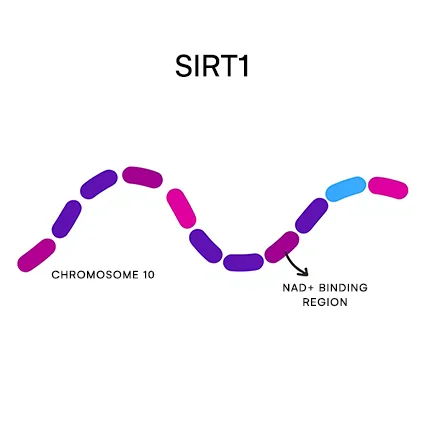
SIRT1 Gene
SIRT1 does not directly extend lifespan, but it plays a central role in how the body senses energy status and activates cellular repair pathways during stress. This gene influences cellular aging, metabolic balance, inflammation control, and adaptive responses to nutrient availability.
Certain variations are linked to differences in metabolic efficiency and stress resilience.
Why SIRT1 Matters for Your Health
SIRT1 influences multiple biological systems involved in long-term health and aging. Understanding SIRT1 helps explain why some people adapt better to calorie changes, stress exposure, and age-related metabolic shifts.
Aging
Supports cellular repair, DNA stability, and age-related resilience
Metabolism
Regulates energy balance, fat metabolism, and insulin sensitivity
Stress Response
Activates protective pathways during physical and metabolic stress
Inflammation
Helps modulate inflammatory signaling
Cellular Recovery
Supports mitochondrial function and repair efficiency
Key Functions of SIRT1
- Regulates cellular energy sensing
- Supports DNA repair and genomic stability
- Influences inflammation control
- Modulates insulin and glucose signaling
- Activates adaptive cellular survival pathways during stress
- Plays a role in longevity-associated signaling networks
How SIRT1 Variants May Influence You
This is not a diagnosis. It reflects tendencies that can be shaped by lifestyle and environment.
Higher Efficiency Variant
May support better metabolic flexibility, improved stress adaptation, and healthier aging patterns
Moderate Variant
Typically indicates balanced metabolic and repair capacity
Lower Efficiency Variant
May benefit from consistent lifestyle support to promote metabolic balance, inflammation regulation, and recovery
Scientific Foundation
Science Behind the SIRT1 Gene
Sirtuin Family of Proteins
SIRT1 belongs to the Sirtuin family of proteins that act as cellular sensors of energy availability. These proteins respond to changes in NAD⁺ levels and regulate genes involved in repair, metabolism, and stress adaptation.
Longevity Research
Research links SIRT1 activity to pathways involved in healthy aging rather than disease prevention alone. Higher functional SIRT1 activity is associated with improved metabolic regulation and cellular maintenance.
Gene Interactions
SIRT1 interacts closely with genes such as FOXO3 and MTOR, helping balance growth, repair, and energy conservation depending on nutrient availability and stress conditions levels
How Lifestyle Influences SIRT1
While genetic structure does not change, SIRT1 activity is strongly influenced by daily habits.
Nutrition
Balanced, sustainable eating patterns support healthy SIRT1 activation
Sleep
Consistent sleep supports metabolic and cellular repair signaling
Stress
Chronic stress may suppress optimal SIRT1 activity
Movement
Regular physical activity supports energy-sensing pathways
Habits
Long-term consistency matters more than short-term extremes
Signs You May Benefit From Understanding SIRT1
How Lifecode Interprets SIRT1 in Your Report
Our analysis evaluates your SIRT1 variants alongside related metabolic and aging genes. This approach helps identify patterns related to energy regulation, stress adaptation, and long-term resilience. Insights are prioritized to support sustainable lifestyle strategies aligned with your full genetic profile.
Lifestyle Guidance
Practical Recommendations
These are general lifestyle considerations, not medical advice.
Nutrition
Avoid prolonged extreme calorie restriction or excess
Recovery
Prioritize regular rest and support natural metabolic recovery cycles
Stress Management
Manage chronic stress load through consistent practices
Supplements
Metabolic or antioxidant support may be discussed during consultation
Daily Habits
Focus on steady routines rather than intensity-driven changes
FAQ
Frequently Asked Questions
No. SIRT1 does not directly extend lifespan. It supports cellular repair, energy sensing, and stress response pathways that influence how well the body ages. Its role is more about improving healthspan, resilience, and metabolic balance rather than adding extra years of life.
Yes. While your SIRT1 gene does not change, its activity is strongly influenced by daily habits. Balanced nutrition, regular physical activity, good sleep, and stress management can support healthier SIRT1 signaling and better cellular recovery over time.
A lower-efficiency variant does not indicate disease. It suggests a tendency toward reduced metabolic flexibility or stress resilience. Consistent lifestyle support, such as steady routines, balanced eating, and recovery-focused habits, may help optimize long-term health outcomes.
Speak to a Lifecode Consultant
“Understanding SIRT1 helps you focus on resilience and recovery rather than chasing quick fixes.”
