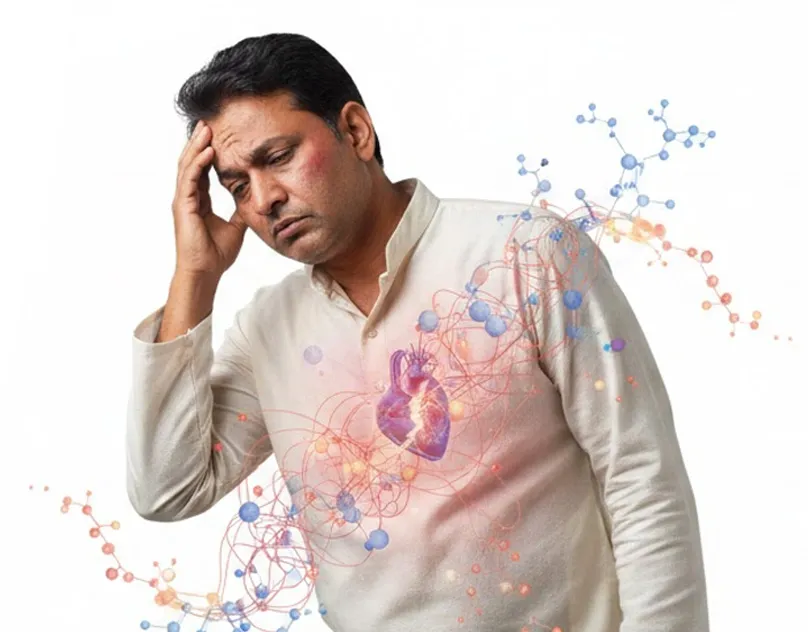
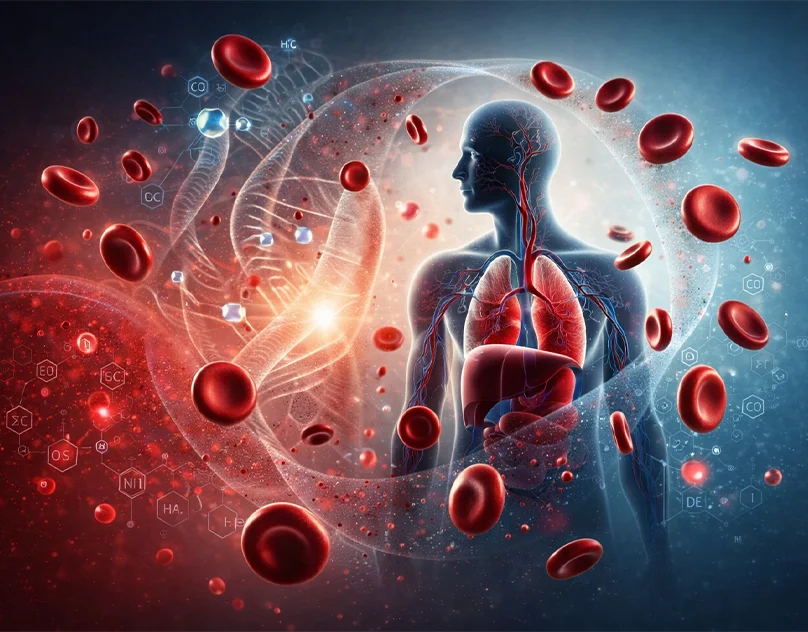
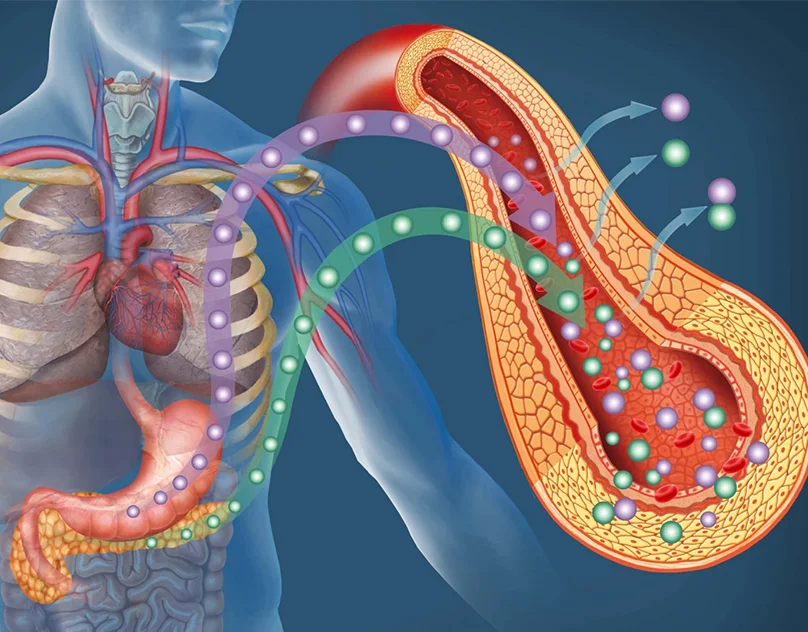
Every time you breathe, your body is performing a miracle. It uses oxygen to create energy, keeping your heart beating and your brain thinking. However, this essential process has a side effect. Just as oxygen causes a piece of metal to rust over time, it can cause a similar kind of “rusting” inside your cells.
This process is known as oxidative stress. Understanding the role of oxidative stress is one of the most important steps you can take to protect your long-term health and slow the biological clock.
What is Oxidative Stress?
Oxidative stress is an imbalance between the systemic manifestation of reactive oxygen species and a biological system’s ability to readily detoxify the reactive intermediates or to repair the resulting damage.”
To put it simply, your body is always in a tug-of-war. On one side, you have free radicals (unstable molecules). On the other side, you have antioxidants (the molecules that neutralize them).
When you have too many free radicals and not enough antioxidants, your cells enter a state of oxidative stress. This can damage your DNA, proteins, and the healthy fats that make up your cell walls.
How Oxidative Stress Affects Your Body
Oxidative stress isn’t just a buzzword; it plays a central role in how we age and how diseases develop. While we need some free radicals for cell signaling and fighting germs, an overload can lead to serious health challenges.
The Impact on Aging
The “oxidative stress theory of aging” suggests that we age because our cells gradually accumulate damage from free radicals over time. This damage makes our organs less efficient and our skin less elastic.
Brain Health: The brain uses a lot of oxygen, making it very sensitive to oxidative stress. This “inner rust” is a key factor in the development of memory-related issues.
Heart Health: Oxidative stress can lead to the hardening of the arteries, making it harder for your heart to pump blood effectively.
Physical Appearance: Visible signs like fine lines, wrinkles, and sun spots are often the result of oxidative damage to your skin cells.
Important Data and Statistics
Disease Links: Researchers believe that oxidative stress plays a role in over 200 different human diseases, including diabetes and cardiovascular conditions.
Cellular Damage: Unchecked oxidative stress can cause thousands of DNA hits per cell every single day.
Mitochondrial Health: Because your mitochondria (the cell’s powerhouses) produce the most free radicals, they are often the first to be damaged, leading to lower energy levels as we age.
The Role of Genetic Testing: Finding Your Unique Balance
If oxidative stress is a tug-of-war, genetic testing tells you which side is currently winning. Everyone’s body is wired differently when it comes to managing these unstable molecules.
Genetic testing allows us to look at your “antioxidant defense genes,” such as SOD2, GPX1, and CAT. These genes provide the instructions for your body to create its own internal antioxidants.
Why Testing Matters for You:
Identify Weak Links: You may have a genetic variant that makes your internal “cleanup crew” less effective. Knowing this allows you to adjust your diet or supplements to compensate.
Personalized Protection: Instead of taking random vitamins, testing tells you exactly which antioxidants your body needs most.
Early Warning: Genetic markers can show a high risk for oxidative damage years before you feel any symptoms, giving you a head start on prevention.
By understanding your genetic blueprint, you move from “general wellness” to precision health.
How to Lower Oxidative Stress Naturally
While we cannot avoid free radicals entirely—they even come from normal things like exercise and digestion—we can tip the scales back in our favor.
Eat the Rainbow: Fruits and vegetables get their bright colors from antioxidants. Aim for a wide variety of berries, leafy greens, and nuts.
Avoid Environmental Toxins: Smoking, heavy pollution, and excessive sun exposure are major sources of free radicals.
Moderate Exercise: While intense workouts create free radicals, regular moderate exercise actually helps your body build a stronger antioxidant defense system.
Get Quality Sleep: Sleep is when your body does its most important “repairs,” neutralizing the oxidative stress built up during the day.
Protect Your Future with LifeCode
Oxidative stress may be a natural part of life, but it doesn’t have to control your future. At LifeCode, we specialize in helping you understand your body’s unique relationship with aging and cellular health.
The LifeCode Panel Advanced Genetic Testing provides a deep, professional look at your oxidative stress markers. We take the mystery out of your DNA, giving you a compassionate and actionable roadmap to stay vibrant and strong.
Let lifecode.life help you balance your inner “rust” and unlock a healthier version of yourself.
Take the Next Step Toward Cellular Health:
Order a Genetic Testing Kit (Swab Test): Start today with a simple at-home cheek swab. It’s the easiest way to see your cellular defense system in action.
Book a Genetic Consultation: Meet with one of our experts to walk through your results and create a personalized plan to combat oxidative stress.