
Gene Overview
NQO1 (NAD(P)H Quinone Dehydrogenase 1)
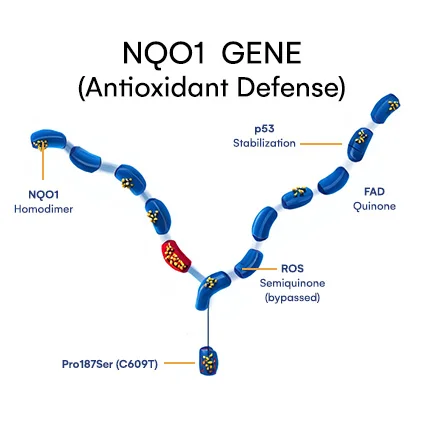
The NQO1 gene provides instructions for producing an enzyme involved in antioxidant defense and cellular detoxification. This enzyme helps convert reactive quinones into less harmful molecules, preventing the formation of damaging free radicals. NQO1 does not determine oxidative stress resistance alone.
It contributes to the body’s broader antioxidant network that protects cells from environmental toxins and metabolic byproducts. Variations in this gene may influence how efficiently cells neutralize oxidative compounds and maintain cellular stability over time.
Why NQO1 Matters for Your Health
NQO1 supports the body’s antioxidant protection systems and cellular defense mechanisms. Understanding this pathway helps explain differences in resilience to oxidative stress and environmental exposures.
Antioxidant Protection
Helps neutralize reactive molecules that can damage cells
Detoxification Support
Converts harmful quinones into safer compounds
Cellular Stability
Protects proteins, lipids, and DNA from oxidative damage
Environmental Defense
Supports the body’s response to chemical and pollutant exposure
Metabolic Balance
Works with antioxidant pathways to maintain cellular redox equilibrium
Key Functions of NQO1
- Reduces reactive quinones into less harmful molecules
- Prevents the formation of damaging free radicals
- Supports antioxidant defense systems
- Protects cellular components from oxidative injury
- Participates in detoxification of environmental compounds - Helps stabilize certain proteins under cellular stress conditions
- Maintains cellular redox balance
How NQO1 Variations May Influence You
This is not a diagnosis. It reflects tendencies shaped over time.
Higher Antioxidant Efficiency Pattern
May support stronger cellular protection against oxidative stress.
Typical Antioxidant Efficiency Pattern
Usually reflects expected antioxidant defense capacity.
Lower Antioxidant Efficiency Pattern
May result in increased sensitivity to oxidative stress and may benefit from stronger antioxidant-supportive habits.
Scientific Foundation
Science Behind the NQO1 Gene
Quinone Detoxification Mechanism
NQO1 catalyzes a reaction that converts quinones into hydroquinones using cellular reducing agents. This process prevents the generation of reactive oxygen species that can damage cellular structures.
Oxidative Stress Research
Research shows that NQO1 activity influences cellular resilience to oxidative damage and environmental toxins. Differences in enzyme efficiency may affect how cells respond to chemical stressors.
Pathway Integration
NQO1 works alongside glutathione systems, antioxidant enzymes, and detoxification pathways, forming part of the body’s broader defense against oxidative stress.
How Lifestyle Influences NQO1 Activity
Genetic baseline exists, but oxidative balance is strongly influenced by lifestyle factors.
Nutrition
Antioxidant-rich foods support cellular defense systems.
Sleep
Adequate sleep supports cellular repair and antioxidant balance.
Stress
Chronic stress can increase oxidative load on cells.
Movement
Regular activity supports metabolic efficiency and antioxidant responses.
Habits
Reducing exposure to pollutants and toxins helps maintain cellular resilience. Avoiding smoking and excessive alcohol consumption is particularly important for maintaining NQO1 activity.
Signs You May Benefit From Understanding NQO1
How Lifecode Interprets NQO1 in Your Report
Lifecode evaluates NQO1 alongside antioxidant defense, detoxification, and oxidative stress pathways. Interpretation focuses on patterns influencing cellular protection capacity and resilience to environmental stressors. Insights are considered within the broader genetic and metabolic framework rather than a single gene effect.
Lifestyle Guidance
Practical Recommendations
These are general lifestyle considerations, not medical advice.
Nutrition
Maintain a diet rich in natural antioxidants from plant-based foods.
Recovery
Prioritize sleep to support detoxification processes.
Stress Management
Reduce chronic stress that increases oxidative burden.
Movement
Engage in regular physical activity to support metabolic health.
Daily Habits
Limit exposure to environmental toxins where possible. Consider including foods rich in polyphenols and cruciferous vegetables to support detox pathways.
Related Genes
FAQ
Frequently Asked Questions
It helps protect your cells from damage. The gene makes an enzyme that neutralizes harmful substances and reduces oxidative stress inside the body.
It supports your body’s natural defense system. By reducing harmful molecules, it helps keep cells stable and may support long-term health and aging.
Yes. It plays a role in how your body responds to chemicals, smoke, and pollutants. Some people may handle these exposures better than others.
You may be more sensitive to oxidative stress. This does not mean illness, but your body may need more support from healthy lifestyle habits.
Focus on simple habits like eating antioxidant-rich foods, staying active, sleeping well, and avoiding smoking or heavy pollution exposure.
Speak to a Lifecode Consultant
“Understanding NQO1 helps you focus on resilience and recovery rather than chasing quick fixes.”
