Have you ever wished your body had a “refresh” button? As we get older, our cells can become cluttered with old parts, much like a house that hasn’t been cleaned in years. Fortunately, your body has a built-in solution for this called autophagy.
In this guide, we will explore what autophagy means, why it is essential for your health, and how you can help this natural process work better for you.
What Does Autophagy Mean?
The name autophagy was coined by Belgian biochemist Christian de Duve in 1963.” The word itself comes from the Greek words auto (self) and phagein (to eat). So, literally, autophagy means “self-eating.”
While that might sound a little scary, it is actually a very healthy process. describes it as a “controlled breakdown of cell parts which do not work or are not needed. The cell parts can then be recycled as required.”
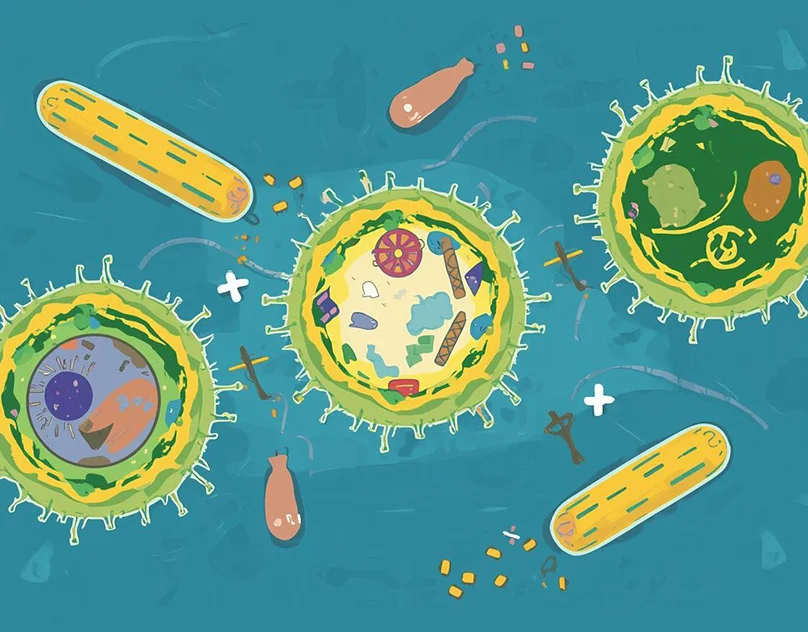
Think of it as your body’s personal recycling factory. It finds the “trash” inside your cells—like broken proteins or old organelles-and turns them into fresh energy or new building blocks.
Why Autophagy is Important for Your Health
Autophagy is a major key to staying healthy as you age. It isn’t just about cleaning; it’s about protection.
Cellular Renewal and Anti-Aging
As we age, our natural rate of autophagy starts to slow down. When this happens, “cellular junk” begins to pile up, which can lead to inflammation and signs of aging. By keeping autophagy active, you help your cells stay “young” and efficient.
Protecting the Brain
Research shows that autophagy is vital for brain health. It helps clear out toxic protein clumps (like amyloid-beta) that are often linked to memory issues and neurodegenerative diseases.
Strengthening the Immune System
Autophagy also acts as a defense mechanism. It can find and destroy “invaders” like viruses and bacteria that try to hide inside your cells.
Disease Prevention
Data suggests that healthy autophagy levels are linked to a lower risk of metabolic issues. According to the Cleveland Clinic, problems with the autophagy process may be associated with heart disease, diabetes, and kidney issues.
The Role of Genetic Testing: Understanding Your Blueprint
While everyone has the ability to perform autophagy, not everyone’s body does it at the same speed. This is where genetic testing becomes a powerful tool for your health journey.
Your DNA contains specific instructions—called ATG genes (Autophagy-Related Genes)—that tell your body how to run this recycling system. Genetic testing allows you to look at these instructions to see if your “recycling factory” is running at full speed or if it needs some extra help.
Here is how testing helps you:
Identify Genetic Variants: Some people have variations in their ATG genes that make them more or less efficient at cellular cleaning.
Personalized Strategy: If you know your genetic baseline, you can choose the right lifestyle habits (like specific fasting windows or types of exercise) that work best for your body.
Targeted Longevity: Testing moves you past general advice and gives you a data-driven plan to support your cellular health.
How to Naturally Trigger Autophagy
The good news is that you can “turn on” the autophagy switch through your daily choices. This process usually happens when your cells are under a little bit of “healthy stress.”
Method
How it Works
Intermittent Fasting
When you stop eating for a set time, your cells run out of external fuel and start “eating” their own internal junk for energy.
Exercise
Physical activity causes tiny amounts of damage to your muscles, which signals the body to start the repair and recycling process.
Deep Sleep
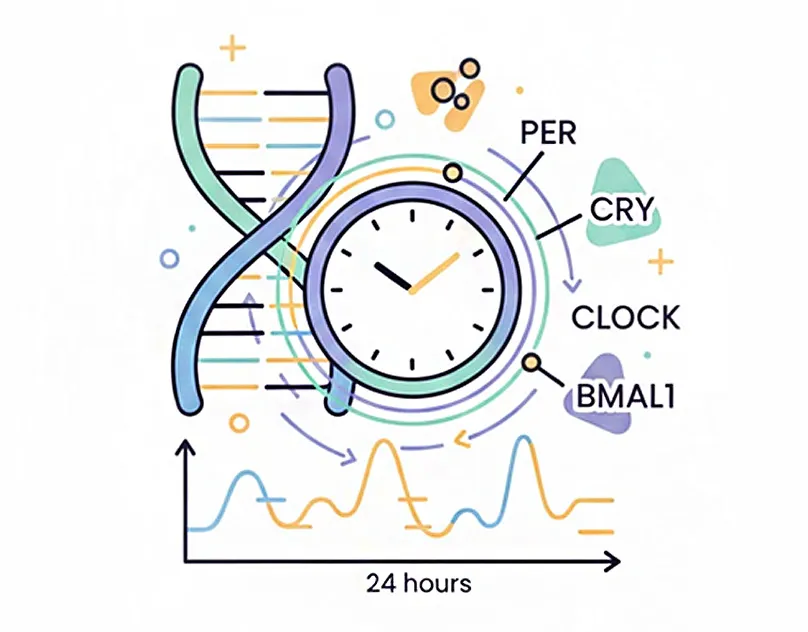
Your body does its most intense “housekeeping” while you sleep. Melatonin actually helps support autophagic activity.
Specific Foods
Nutrients found in green tea (EGCG), turmeric (curcumin), and extra virgin olive oil are known to support the autophagy pathway.
Optimize Your Cellular Health with Lifecode
Your cells are the foundation of your entire life. At Lifecode, we believe that when you understand your cellular biology, you can take control of your future.
The Lifecode Panel Advanced Genetic Testing looks deep into your DNA to identify how your autophagy genes and other longevity markers are performing. We don’t just provide a report; we give you a clear, compassionate roadmap to help you live a longer, more vibrant life.
By working with Lifecode.life, you are choosing a path of precision health based on your unique genetic signature.
Take Your Next Step Today:
Order a Genetic Testing Kit (Swab Test): Start your journey from home with a simple, painless cheek swab.
Book a Genetic Consultation: Meet with our experts to review your results and create a personalized plan to boost your cellular recycling and longevity.