
Gene Overview
Oxidative Stress Pathway
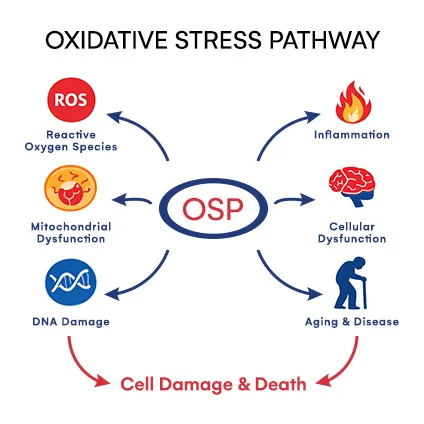
The oxidative stress pathway refers to a series of biological processes that occur when there is an imbalance between the production of reactive oxygen species (ROS) and the body’s ability to neutralize them through antioxidant defenses. The oxidative stress pathway does not eliminate damage. It determines how well cells keep damage from spreading. Normal metabolism produces reactive molecules that can harm proteins, fats (lipids), and DNA.
The oxidative stress pathway manages this exposure by neutralizing excess reactions and restoring cellular redox balance. Differences in this system reflect how efficiently the body contains daily cellular wear. Oxidative stress is not inherently harmful; it becomes problematic when regulatory systems are overwhelmed.
Why the Oxidative Stress Pathway Matters for Your Health
Oxidative balance shapes how the body ages under constant environmental and metabolic pressure. Understanding this pathway explains variation in recovery speed and long-term cellular stability.
Cell Protection
Limits damage to proteins and membranes
Aging
Influences how quickly wear accumulates over time
Inflammation Control
Helps prevent stress signals from becoming chronic
Energy Systems
Protects mitochondria during energy production
Recovery Capacity
Supports repair after physical or chemical stress
Key Functions of the Oxidative Stress Pathway
- Neutralizes reactive oxygen species
- Protects DNA from oxidative damage
- Maintains cellular redox balance
- Supports mitochondrial stability
- Regulates stress signaling
- Limits cumulative cellular wear
How Oxidative Stress Handling May Influence You
This is not a diagnosis. It reflects protective tendencies influenced by lifestyle.
Strong Defense Pattern
May support faster recovery and reduced cumulative damage.
Average Defense Pattern
Typically reflects normal oxidative balance under everyday conditions.
Lower Defense Pattern
May benefit from stronger focus on recovery and exposure management.
Scientific Foundation
Science Behind the Oxidative Stress Pathway
Daily Cellular Exposure
Reactive oxygen species are unavoidable byproducts of normal metabolism. The body relies on antioxidant systems to neutralize them before they disrupt cellular function.
Aging and Accumulation
Research links chronic oxidative imbalance with accelerated aging processes. Efficient regulation slows this accumulation rather than stopping it entirely.
Network Interactions
Oxidative stress pathways coordinate with repair, inflammation, and metabolic systems to maintain internal stability.
How Lifestyle Influences the Oxidative Stress Pathway
Genetic capacity sets limits, but daily exposure matters.
Nutrition
Balanced intake supports antioxidant systems.
Sleep
Adequate sleep reduces oxidative load and supports repair.
Stress
Chronic psychological stress increases oxidative burden.
Movement
Regular, moderate activity strengthens protective signaling.
Habits
Long-term exposure patterns outweigh short-term interventions.
Signs You May Benefit From Understanding Oxidative Stress
How Lifecode Interprets Oxidative Stress Pathway Signals in Your Report
Lifecode evaluates oxidative stress-related markers alongside inflammation, repair, and metabolic genes. Interpretation focuses on how effectively your system contains damage and restores balance. Recommendations are prioritized using your complete genetic context.
Lifestyle Guidance
Practical Recommendations
These are general lifestyle considerations, not medical advice.
Nutrition
Avoid long-term imbalance and excessive restriction.
Recovery
Build recovery into daily routines.
Stress Management
Reduce sustained exposure where possible.
Supplements
General antioxidant strategies may be discussed during consultation.
Daily Habits
Consistency reduces cumulative damage over time.
FAQ
Frequently Asked Questions
The oxidative stress pathway manages reactive oxygen species that damage proteins, DNA & mitochondria. Research links chronic oxidative imbalance to accelerated aging, persistent fatigue, and increased inflammation risk over time.
Inefficient oxidative regulation allows cellular damage to accumulate, slowing recovery and accelerating aging. Studies associate weakened antioxidant defenses with reduced mitochondrial stability, chronic inflammation, and greater vulnerability to long-term metabolic health decline.
Lifecode evaluates clinically relevant oxidative stress markers alongside inflammation, repair & metabolic genes. Our expert genetic analysis delivers evidence-based insights into your antioxidant defense capacity, recovery efficiency & long-term cellular protection across your complete genetic profile.
Speak to a Lifecode Consultant
“Understanding AMPK Pathway helps you focus on resilience and recovery rather than chasing quick fixes.”
