
Gene Overview
Autophagy Pathway
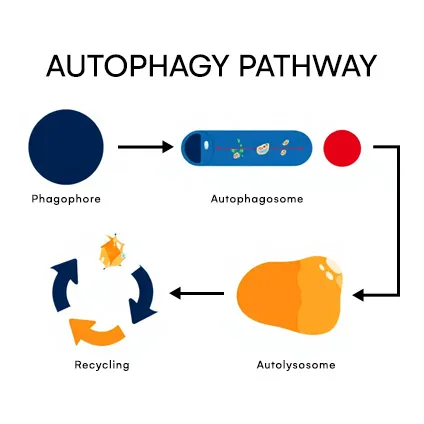
The autophagy pathway does not directly prevent aging or disease. Instead It governs how efficiently cells clean up damage and recycle worn-out components. Autophagy acts as an internal maintenance system. When functioning well, it clears dysfunctional proteins and organelles.
When impaired, cellular clutter accumulates and stress tolerance declines. Individual differences reflect how robust this cleanup system remains under metabolic and environmental pressure.
Why the Autophagy Pathway Matters for Your Health
Autophagy influences how well cells adapt to stress, scarcity, and recovery demands. It helps explain why some bodies tolerate metabolic strain and (aging more smoothly) aging-related changes more efficiently than others.
Cell Maintenance
Removes damaged cellular components before they (accumulate and disrupt function)
Aging
Supports healthier cellular turnover over time
Metabolic Stress
Helps cells adapt during energy shortage or overload
Inflammation Control
Limits buildup of inflammatory cellular debris
Recovery
Affects how efficiently tissues reset after strain
Key Functions of the Autophagy Pathway
- Breaks down damaged proteins and organelles
- Recycles cellular materials for reuse
- Maintains internal cellular balance
- Supports mitochondrial quality control
- Helps cells survive nutrient stress
- Contributes to long-term cellular resilience
How Autophagy Pathway Efficiency May Influence You
This is not a diagnosis. It reflects tendencies shaped by long-term habits.
Higher Functional Activity
May support cleaner cellular turnover, better metabolic flexibility, and stronger recovery.
Typical Functional Activity
Generally reflects stable cellular cleanup without marked advantage or limitation.
Lower Functional Activity
May benefit from stronger focus on recovery, metabolic balance, and stress regulation.
Scientific Foundation
Science Behind the Autophagy Pathway
Cellular Cleanup System
Autophagy is a regulated process where cells encapsulate damaged components and degrade them for recycling. This prevents accumulation of toxic byproducts that interfere with cellular function.
Aging and Stress Research
Studies associate effective autophagy with healthier aging patterns. Reduced activity is commonly observed in aging tissues and under chronic stress conditions.
Pathway Integration
Autophagy interacts closely with nutrient-sensing, stress-response, and repair pathways, adjusting activity based on environmental and internal signals.
How Lifestyle Influences the Autophagy Pathway
Is dynamically regulated by behavior and environment
Nutrition
Balanced intake supports steady cellular turnover.
Sleep
Quality sleep allows repair and cleanup processes to proceed efficiently.
Stress
Chronic stress suppresses cleanup signaling and increases cellular load.
Movement
Regular activity stimulates adaptive cellular stress responses.
Habits
Long-term patterns shape pathway efficiency more than short interventions.
Signs You May Benefit From Understanding Autophagy
How Lifecode Interprets Autophagy Pathway Signals in Your Report
Genetic variants associated with cellular cleanup and stress adaptation alongside related pathways. Interpretation focuses on patterns affecting recovery capacity, metabolic resilience, and long-term cellular maintenance. Insights are integrated across your full genetic profile.
Lifestyle Guidance
Practical Recommendations
These are general lifestyle considerations, not medical advice.
Nutrition
Avoid prolonged extremes that disrupt metabolic balance.
Recovery
Prioritize regular rest and repair cycles.
Stress Management
Limit chronic stress exposure where possible.
Supplements
General cellular support may be discussed during consultation.
Daily Habits
Sustainable routines matter more than intensity.
Related Topics
FAQ
Frequently Asked Questions
Autophagy is your cell’s internal cleanup system that removes damaged proteins and organelles, recycling them to maintain healthy cellular function and balance.
Efficient autophagy supports healthier cellular turnover, reduces inflammatory debris, and helps tissues recover faster, making it key to long-term aging resilience.
Lifecode examines your genetic variants linked to cellular cleanup and stress adaptation, delivering personalized insights to support your recovery, metabolism, and long-term health.
Speak to a Lifecode Consultant
“Understanding Autophagy Pathway helps you focus on resilience and recovery rather than chasing quick fixes.”
