

NQO1
NQO1 supports antioxidant defense by neutralizing harmful compounds, reducing oxidative stress, and helping protect cells from…
Learn More
Glutathione family
The GSTT1, GSTM1, and GSTP1 genes encode enzymes that neutralize toxins, protect cells from oxidative stress,…
Learn More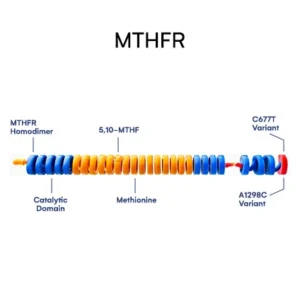
MTHFR
MTHFR gene helps convert folate, supports methylation, regulates homocysteine, aids DNA repair, detoxification, and influences overall…
Learn More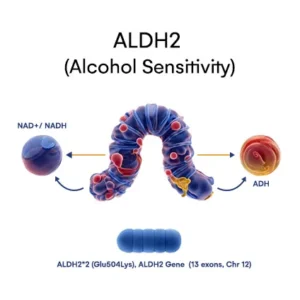
ALDH2
The ALDH2 gene controls acetaldehyde breakdown during alcohol metabolism, influencing flushing reactions, alcohol sensitivity, and long-term…
Learn More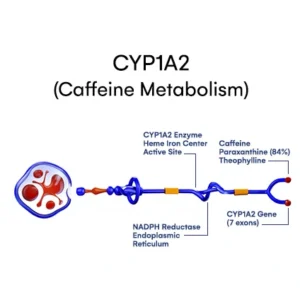
CYP1A2
The CYP1A2 gene controls caffeine breakdown in the liver, influencing stimulant sensitivity, sleep quality, and individual…
Learn More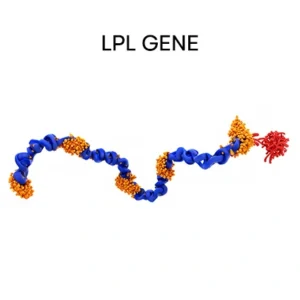
LPL
LPL gene controls lipoprotein lipase, breaking down triglycerides, releasing fatty acids for energy, and influencing lipid…
Learn More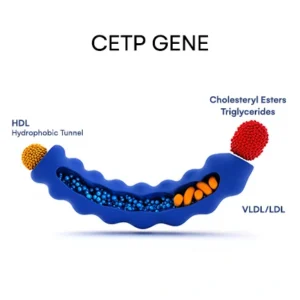
CETP
CETP regulates cholesterol exchange between HDL and LDL in the bloodstream, influencing lipid balance, vascular health,…
Learn More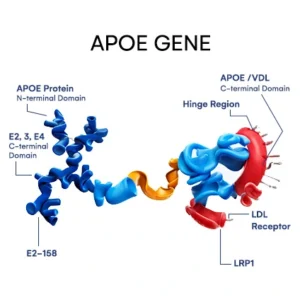
APOE
APOE gene variants influence how your body transports cholesterol and supports brain health, shaping long-term cardiovascular…
Learn More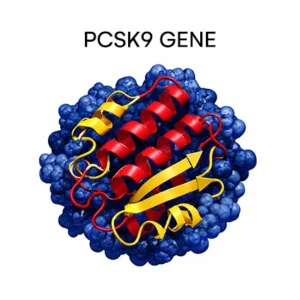
PCSK9
PCSK9 gene variants affect how your liver clears LDL cholesterol from the blood, influencing long-term cardiovascular…
Learn More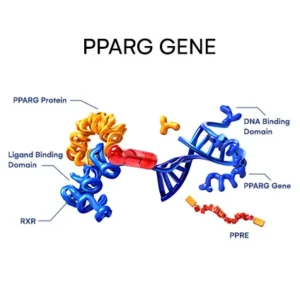
PPARG
PPARG gene variants influence how your body stores fat, regulates insulin, and manages metabolic health -…
Learn More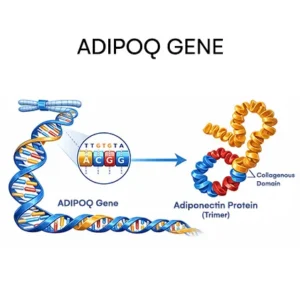
ADIPOQ
The ADIPOQ gene regulates adiponectin, influencing insulin sensitivity, fat metabolism, and inflammation. Your genetic variation shapes…
Learn More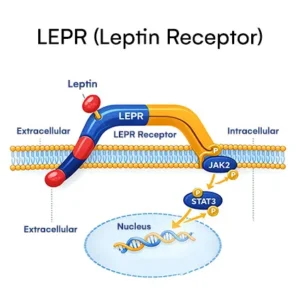
LEPR (Leptin Receptor)
LEPR gene influences how your body interprets leptin signals, affecting appetite control, hunger patterns, weight balance,…
Learn More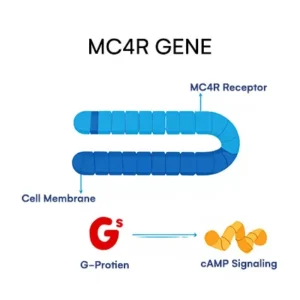
MC4R
MC4R is a gene that regulates appetite and energy balance by signalling hunger and fullness through…
Learn More
FTO
The FTO gene influences hunger, fat storage, and energy balance. Lifecode decodes your variants to help…
Learn More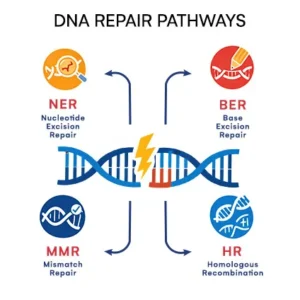
DNA Repair Pathways
DNA repair pathways determine how accurately your body fixes daily cellular damage. Lifecode decodes your genetic…
Learn More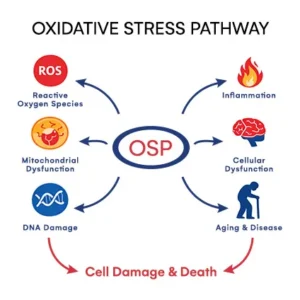
Oxidative Stress Pathway
Your oxidative stress pathway determines how well cells contain daily molecular damage. Lifecode decodes your genetic…
Learn More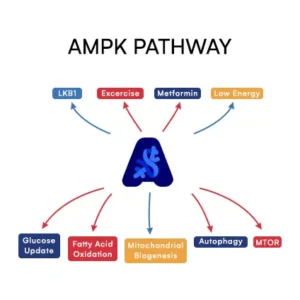
AMPK Pathway
AMPK acts as your cell's fuel gauge, directing energy toward repair and survival under stress. Lifecode…
Learn More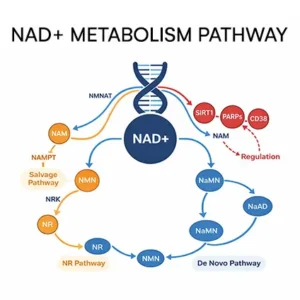
NAD+Metabolism Pathway
NAD+ powers cellular energy, DNA repair, and stress adaptation in every cell. As levels decline with…
Learn More
Autophagy Pathway
Autophagy is the cell’s cleanup system, recycling damaged components, supporting recovery, metabolic balance, stress adaptation, and…
Learn More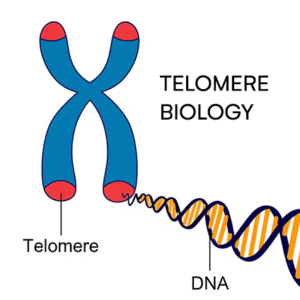
Telomere Biology
Telomere biology influences how tissues cope with repeated stress and renewal demands. Understanding it helps explain…
Learn More
FOXO3
FOXO3 is often referred to as a longevity-related gene because it plays a key role in…
Learn More
KLOTHO KL
This gene influences oxidative stress control, inflammation signaling, and metabolic efficiency. Certain variants are associated with…
Learn More
MTOR
mTOR is a key cellular signaling pathway that regulates growth, metabolism, protein synthesis, and aging by…
Learn More
IGF1R
IGF1R is a gene encoding the insulin-like growth factor 1 receptor, which regulates cellular growth, metabolism,…
Learn More
SIRT1
SIRT1 is a gene that regulates cellular energy sensing, stress response, and repair processes. It plays…
Learn More
Gene
Gene Listing Explore our comprehensive range of genetic tests designed to provide personalized insights into your…
Learn More
LMNA
LMNA gene helps build lamin A and lamin C, proteins that keep the cell nucleus strong.…
Learn More