





how to prevent ectopic pregnancy

Preventing Ectopic Pregnancy: How Genetic Testing Can Help

Ectopic pregnancy like condition is known to be a serious and potentially life-threatening issues which shall occurs when a fertilized egg might all implant right outside that uterus. While some of the relatively rare, which shall affect approx. 1 to 2% of pregnancies. This is well about leading some of the cause of maternal mortality in the first trimester. Further, for understanding the risk factors and exploring several preventative measures, which shall include advanced genetic testing. They can all empower individuals while making several informed decisions about the reproductive health. 

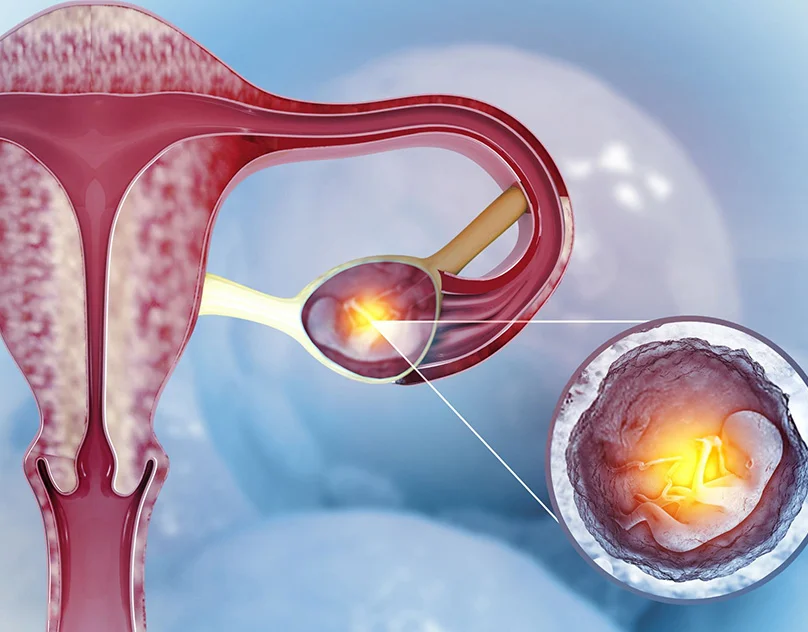
To simply grasp as to how to prevent ectopic pregnancy, it is needed to understand its basics. Normally, post fertilization in the fallopian tube, the egg shall further travel down to the uterus. In an ectopic pregnancy, this journey is well interrupted. The egg implants in an abnormal location were knowing how to prevent ectopic pregnancy might have answers. Some of the common sites include the fallopian tubes (tubal pregnancy), but this can also occur in the ovary, cervix, or abdominal cavity. 

Symptoms and Diagnosis: 

Symptoms might all mimic some of the typical pregnancy in the early stages. This can include a missed period and breast tenderness. However, as the ectopic pregnancy progresses might arise, more specific symptoms can emerge, which include: 

  • Abdominal pain: Usual sharp, one-sided, and persistent issue. 
  • Vaginal bleeding: May be light or heavy, having various issues right from a normal time. 
  • Shoulder pain: Can take place if there are internal bleeding irritating the diaphragm. 
  • Dizziness or fainting: Due to condition such as loss of blood. 

Diagnosis gets involved in a combination of a physical exam, blood tests while measuring hCG levels (that might be rising slowly in ectopic pregnancies), and some ultrasound imaging which shall be locate with the pregnancy. 

Risk Factors for Ectopic Pregnancy: 

While some of the ectopic pregnancy shall further happen to anyone, with some of the factors which shall enhance the risk too: 

  • Previous ectopic pregnancy: Most significant risk factor which might occur. 
  • Pelvic inflammatory disease (PID): Usually it is caused by sexually transmitted infections (STIs) it might also have issues like chlamydia and gonorrhea. PID can further damage the fallopian tubes. 
  • Endometriosis: This condition is where uterine tissue shall all grow outside the uterus. 
  • Prior fallopian tube surgery: Procedures including tubal ligation (sterilization) reversal which can enhance such risk. 
  • Assisted reproductive technologies (ART): These conditions is known to be in-vitro fertilization (IVF). 
  • Smoking: Nicotine like substance can affect the cilia in the fallopian tubes. These are the components that are highly responsible for moving the egg. 
  • Intrauterine device (IUD) use: While the condition IUDs are known to be severely effective at certain preventing uterine pregnancies. When a pregnancy might occur with an IUD in place, it might have a slightly higher chance of being ectopic. 
  • Age: Women Who are 35 might have slightly enhanced risk. 

The Role of Genetic Predisposition: 

There are some of the recent researches which might have highlighted the potential role of genetic factors shall enhance the susceptibility to ectopic pregnancy. While some might not be straightforward as a single gene mutation can lead to the condition, variations in some of the genes that can influence some of the structure and function of those fallopian tubes. This will go along with the immune response, and the implantation process. 

For instance, genes that are involved in inflammation, tissue repair, and certain development of the reproductive system. This can all contribute to an individual’s predisposition. Knowing some of the genetic links which shall open new avenues for proactive prevention and personalized risk assessment too. 

Preventing some of the ectopic pregnancy it can primarily focus on managing several risk factors and promotions might be about early detection. 

  • STI Prevention and Treatment: Practicing some of the safe sex and promptly treating with reference to any STIs. It is well crucial to prevent PID and subsequent fallopian tube damage. 
  • Smoking Cessation: Quitting the act of smoking can further enhance some of the overall reproductive health and it shall further lower some ectopic pregnancy risk. 
  • Pre-conception Counseling: Knowing some of the individual risk factors with a healthcare provider can be quite well attempting to conceive. This can further help in developing a personalized plan. 
  • Early Pregnancy Monitoring: For some of the individuals with known risk factors, early and close monitoring of pregnancy. This can include serial hCG measurements and some sort of early ultrasounds. This is needed for that timely diagnosis. 

The Power of Genetic Testing in Prevention: 

This is where advanced genetic testing can play a transformative role on how to prevent ectopic pregnancy. Further, on analysing an individual’s genetic makeup, it is quite well possible to identify predispositions which can also enhance the risk of ectopic pregnancy. Knowing some if the empowered individuals and healthcare providers to implement certain targeted preventative strategies. 

LifeCode, is known to be a leader in genetic testing. It is sure to offer an Advanced Genetic Testing for Gynecology Panel. The panel is specifically designed for providing comprehensive insights into a woman’s reproductive health. 

This specialized panel by LifeCode can all go beyond such general genetic screening. This is meticulously analysed as a wide array of genes which is also known to be involved in: 

  • Fallopian Tube Function and Health: Identifying some of the genetic variations which might be about the effect of the structure, motility (movement), and overall health of the fallopian tubes. They are trusted to be quite well critical for the egg’s journey to the uterus. Some might include genes that are related to ciliary function and smooth muscle contraction in the tubes. 
  • Inflammatory Responses: Assessing certain genetic markers which are associated with chronic inflammation, can all contribute to conditions including like PID and endometriosis. These both significant risk factors for ectopic pregnancy might be believed to happen. 
  • Hormone Regulation and Receptor Function: Examining other genes that shall involve in the intricate hormonal balance which can be quite well necessary for successful implantation. Getting early pregnancy development and knowing to deal with how to prevent ectopic pregnancy shall matter. Dysregulation in some of these areas, even subtle, can all contribute to abnormal implantation. 
  • Immune System Modulation: Knowing some if the genetic influences on the immune system’s interaction with several developmental embryo. This is just as an overactive or underactive immune response at the implantation site could enhance the risk of ectopic pregnancy. 
  • Coagulation and Thrombophilia Markers: While some less directly linked to ectopic pregnancy itself. These genetic predispositions to clotting disorders can affect overall reproductive health. Knowing how to prevent ectopic pregnancy may be included in a comprehensive gynecology panel. 

By providing some of the detailed genetic profile, LifeCode’s panel shall empower individuals and their healthcare providers with actionable information. For example, just like in this panel it is well indicates a heightened genetic risk for fallopian tube dysfunction. This is all about a woman who can discuss with the doctor a more vigilant approach. This is with reference to early pregnancy monitoring. Perhaps this shall be all about starting ultrasounds earlier than standard protocols or being more attuned to subtle symptoms.  

Such severely known proactive approach can significantly enhance the chances of early detection and timely intervention.

Consider Mona, who has experienced a previous ectopic pregnancy. Fearing a recurrence, she had consulted her doctor, who recommended LifeCode’s Advanced Genetic Testing for Gynecology Panel. The outcomes are all quite well revealed as a specific genetic variation. This can all affect as the cilia in her fallopian tubes, making them less efficient at transporting the egg. Armed with some of the knowledge, Mona and her doctor devised a plan for her subsequent pregnancy.  

They further to act on it scheduled early and frequent ultrasounds, and Mona was educated on even subtle symptoms to watch for. This vigilance led to the very early detection of a normally implanted uterine pregnancy, alleviating much of her anxiety and allowing for a healthier start to her pregnancy journey. 

The Future of Prevention: 

The integration of advanced genetic testing into reproductive healthcare represents a significant leap. This helps in knowing how to prevent ectopic pregnancy. This can all forward in preventative medicine. Leaning on genetic testing one cannot simply predict every ectopic pregnancy; it can further offer an invaluable tool for personalized risk assessment. This can all help in tailoring several preventative strategies, enhanced monitoring, and earlier intervention. Ultimately such condition can enhance outcomes for women at risk. 

Ectopic pregnancy like condition can all remain a severe concern for women’s reproductive health. While other risk factors are well-established, the emerging understanding of genetic predispositions, which is well coupled with advanced genetic testing solutions like LifeCode’s Advanced Genetic Testing for Gynecology Panel, offers a powerful new avenue for prevention.  

Further, on identifying some of the individual genetic susceptibilities, healthcare providers can all offer personalized guidance, which shall enable women to take proactive steps. This can make informed decisions and further shall navigate their reproductive journeys with greater confidence and safety.  

Empowering individuals with certain genetic knowledge is known to be the key for moving towards a future were ectopic pregnancies. They are all detected earlier, managed more effectively, and ideally, prevented altogether. 

By further including genes that are well associated with pigmentation disorders, inflammatory responses, sun sensitivity, and skin barrier function. The LifeCode panel provides a holistic view of your genetic landscape. This is quite well relevant to the development of white spots.  

  • Understand the inherent risks. 
  • Make proper informed decisions with reference to preventive measures. 
  • Personalize skincare regimen. 
  • Engage in well meaningful conversations with the dermatologist you follow. 

It is important to note that genetic testing by LifeCode shall all provide information about the predispositions, which is well not guarantees. Environmental factors and all those lifestyle choices shall also play a significant role in the development of skin conditions.  

However, on further understanding the genetic blueprint, you can take several proactive steps to mitigate the risks, and it shall promote long-term skin health. 

November 25, 2025 Uncategorized