

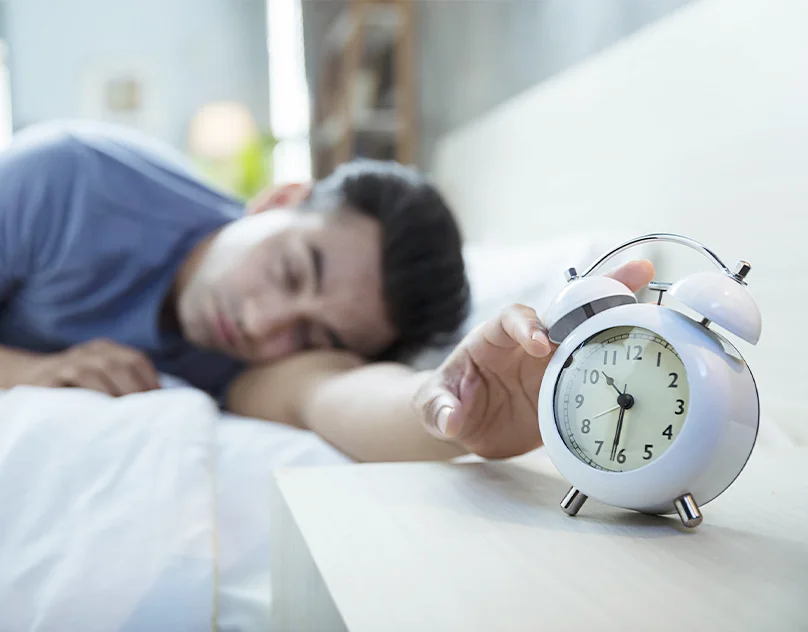


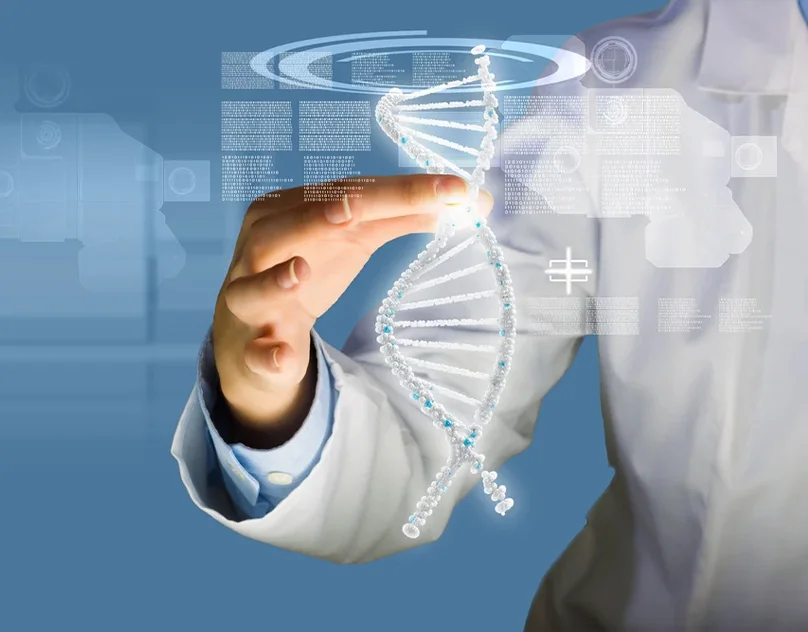

optimizing your rest and regeneration based on your genes

Optimizing Your Rest and Regeneration Based on Your Genes

Have you ever wondered as to why some of the people are “morning larks,” or waking up naturally at dawn, while some other might be “night owls,” thriving in those late hours? Or why one might feel completely exhausted even on getting a full night’s sleep? The answer to this shall be under your DNA only. The genes are known to be that fundamental part of the biological blueprint. Thay are known to play a significant, often overlooked, role in how those bodies shall rest, recover, and regenerate.

In a world that shall celebrates hustle culture, prioritizing the act of rest can further feel like having a luxury. But it is not. Rest and regeneration are well essential for every aspect of the health. This goes away right from cellular repair and cognitive function to emotional well-being and physical performance.

Genetic testing like help is believed to be an emerging powerful tool. This helps in unlocking the personalized blueprint for optimal rest. It helps in moving beyond generic advice while creating a lifestyle that shall truly aligns with the unique biological needs.

Sleep is not just about a period of inactivity; it is a dynamic biological process which is well regulated by complex gene networks. Such study shall show as to how these genes shall affect sleep is a burgeoning field of chronobiology. The internal body clock, or circadian rhythm, shall largely controlled by a group of “clock genes.” Such genes like PER, CRY, and CLOCK, which can work while being in delicate feedback loop to regulate those 24-hour sleep-wake cycle. This shall go along while influencing everything from when you feel sleepy to your ideal sleep duration. 

For example, some of the common variation in the PER3 gene is well associated with a person’s “morningness” or “eveningness.” People while having a longer variant of the gene tend to be those of morning types, waking up early and feeling more alert in the mornings, while those who are having a shorter variant are more likely to be of those evening types. But it is not about when you shall sleep. Genetic variations like condition can further influence the quality and depth of those sleep quality. This can further include the amount of time one shall spend in different sleep stages including REM and non-REM sleep. 

While there are many genetic variations who shall simply influence sleep preferences, some of the people can further be about predispose us to more serious issues. Genetic testing can reveal an individual’s susceptibility with respect to various sleep disorders. This helps in providing a crucial starting point for preventative care and targeted interventions.

A clear example of such issue is Familial Advanced Sleep-Phase Syndrome (FASPS), which is a rare issue where some of the individuals might have an extremely early sleep-wake cycle. They further can fall asleep at 7 p.m. and wake up by 3 a.m. This is also caused by a mutation in a clock gene. It can be about PER2. Another example is Narcolepsy, a chronic neurological disorder which shall affect the brain’s ability with respect to control sleep-wake cycles.  

There are various studies that have shown a strong association that lies between narcolepsy and specific genes in the HLA (Human Leukocyte Antigen) system. This is with respect to a significant majority of patients about testing positive for the HLA-DQB1*0602 allele.

Some of the other genetic factors that can influence more common issues can include insomnia or restless legs syndrome (RLS). This is about understanding these predispositions does not mean you are guaranteed to develop a disorder, but it does empower you to take some of the proactive steps while mitigating those risks. As noted by the National Institutes of Health, while “there is no single gene or one region of the brain that is about telling the body to sleep or wake. This is only one of many parts.”

    • Hormone Regulation: Hormones including cortisol and testosterone are known to be needed for condition such as muscle repair and regeneration. Genetic variations which can impact the production and metabolism of such hormones, which shall affect how quickly you might recover from a workout. 

      Rest and recovery like things are about extending beyond just a good night’s sleep. The genes might also influence as to how our bodies might regenerate on a cellular level. For athletes and fitness enthusiasts, this condition is particularly important. Genetic variations like help can affect the below condition: 

      • Inflammatory Response: Genes including CRP and IL-6 can influence those body’s inflammatory response to exercise. This is all about robust inflammatory while responses towards necessary needs for muscle repair, but an excessive one can led to several prolonged soreness and delayed recovery. 
      • Oxidative Stress: Physical activity creates oxidative stress that can further help in damaging some of the cells. Genes are well related to antioxidant production and detoxification like those that are involved in the GST (Glutathione S-transferase) pathway. This can further influence as to how efficiently those body neutralizes free radicals and repairs itself.  

    Further on understanding some of these genetic tendencies, you can further tailor as to what you shall recovery as protocols. Someone with a genetic predisposition for a higher inflammatory response can be further benefitted from a diet rich in anti-inflammatory foods. while some of the person might need to focus on other specific supplements to support those antioxidant systems.

For genetic testing providers, it offers at specialized panel which is key in providing actionable insights. A standard test shall all help in covering a few genes, but an Advanced Genetic Testing for Rare Diseases panel. This is thus offered by LifeCode, while providing a much more comprehensive view. On this specific panel, which is designed for rare disease screening, the principles of advanced genetic analysis are the same.

This can further help in analysing some of the thousands of genetic markers. This shall include some of the single-nucleotide polymorphisms (SNPs) and copy number variations. It can all be well linked to a wide range of conditions like those that shall manifest with sleep disturbances or impaired regeneration. This in-depth analysis can all help in providing to identify subtle genetic predispositions that shall otherwise go unnoticed.

Some of the type of genetic testing that shall go beyond basic health reports. 

  • Identify Underlying Causes: For some of the person with chronic fatigue, this can be well help in distinguish between some of the lifestyle factors and a potential genetic condition. 
  • Enable Personalized Strategies: Rather than simply suggesting some of a one-size-fits-all approach. The outcome of the same can guide recommendations for specific dietary changes, supplements, or lifestyle adjustments. They are all scientifically aligned with an individual’s unique genetic profile. 
  • Provide Proactive Health Management: Knowing some of the genetic risks shall allow you to be proactive about health, making small, consistent changes while having a significant impact over time.

Genetic insights are just not so about some of the crystal ball, which are known to be a roadmap. They are not about deterministic but rather it shall provide probabilities and tendencies. Further it can be about some of the information while creating a lifestyle that shall work with the body, but not against it.

Some examples of how genetic testing by LifeCode can help in optimizing your rest and regeneration: 

  1. Sleep Schedule: While some of the genetic profile indicates you are a night owl, while trying to force yourself to be a morning lark can be counterproductive. This shall be about leading to chronic sleep deprivation. Instead, one can adjust that work and might all exercise schedules to align with the natural rhythm. 
  1. Nutritional Support: while you might have a gene variant that affect the body’s ability in processing a specific vitamin. You can also work with a nutritionist to ensure that the diet and supplements shall all provide adequate levels to support cellular function and regeneration. 
  1. Stress Management: Genes including some of the COMT can further influence as to how the body shall processes stress hormones. While having a variant that shall make more sensitive to stress. This can be about prioritizing relaxation techniques including meditation or yoga. It can help in preventing some of the burnout and support adrenal health. 
  1. Exercise & Recovery: For some of the athlete, while knowing that one might have a genetic predisposition for slower muscle recovery. This shall help in structuring your training plan. One might need longer rest days which lay between those intense workouts, or it shall incorporate active recovery sessions. 

The era of one-size-fits-all health advice is known to be coming to an end. As we shall further understand more about that human genome, the power of personalized medicine becomes undeniable. Genetic testing like help shall empower while some of the knowledge might help in making several informed decisions about the health. IT is also crucial for working with a knowledgeable professional who can interpret the outcome and help in applying it safely and effectively.

By taking complete control of such knowledge, you are not just managing those symptoms; but you are also optimizing some of the most fundamental level. While learning more about the genes can influence health and to explore panels like the Advanced Genetic Testing for Rare Diseases by LifeCode, visit our website and start your journey toward a healthier, more vibrant you.

December 12, 2025 Uncategorized