



How Your DNA Affects Your Environmental Impact and Sustainability
- Genes and the Environment: A Two-Way Street
- Environmental Stress and Your Body’s Response
- Rethinking “Environmental Impact”
- How Genetic Testing Helps
- The LifeCode Advanced Genetic Health Panel
- A Real-Life Example
- Practical Steps One Can Take
- Why This Matters for the Future
- LifeCode’s Invitation to You
When we are speaking about protecting the environment, most of us shall also think about recycling, saving energy, or lowering the carbon footprint. Some of these actions are just important. But what some of the people do not realize is that your DNA might also play a role in how one shall interact with environment and how sustainable that lifestyle can be.
As a healthcare provider specializing in those genetic testing, the mission is all about helping people to understand how the genes shall affect not only their health but also the way it shall respond to various environmental stress.
In this blog, it will explain as how the DNA and environment shall work together. This is also about why such things shall matter for sustainability, and how Advanced Genetic Health Panel by LifeCode can give any clear, personalized insights.
Genes and the Environment: A Two-Way Street
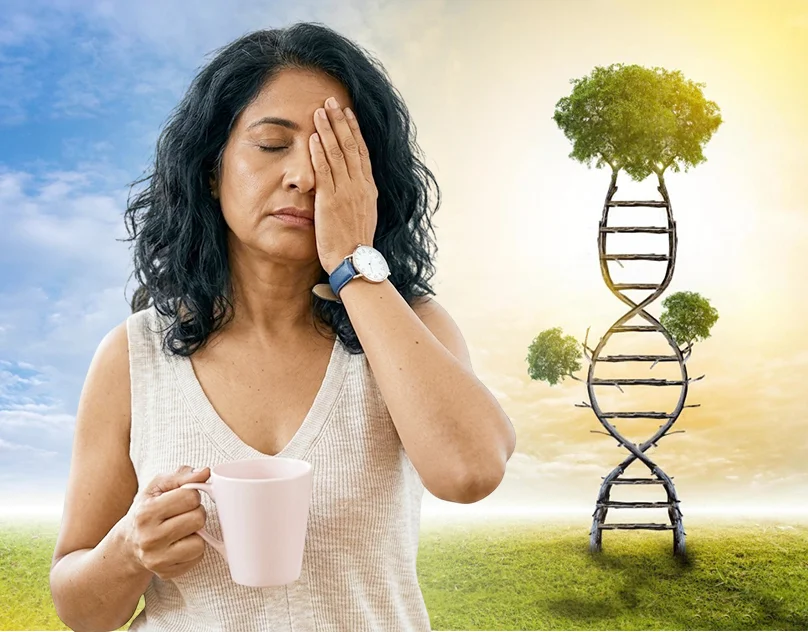
The DNA is known to be your personal blueprint. This helps in guiding as how the body shall function and how you might process some of the nutrients, fight off toxins, or repair cells. On the other hand, DNA is not to work alone. The environment influences how those genes shall behave.
According to Wikipedia, gene–environment interaction is all about describing as to how some of the people with different genetic makeups can further respond differently to the same environmental exposure. One person shall condition like handle air pollution without any issue, while another person can also develop breathing issue right under the same issue.
Scientists might further call this area of study epigenetics. Epigenetics might all look at how outside factors including diet, toxins, or stress can “switch on” or “switch off” some genes without altering the DNA sequence itself (source). This means that while those genes are about setting the stage, your environment might direct such play.
Environmental Stress and Your Body’s Response
Modern life shall all expose us to many environmental stressors, like:
- Air pollution
- Chemicals in cleaning products
- Pesticides in food
- Heavy metals in water
- UV radiation
Some of us might have various genetic variants which shall make it harder to detoxify several substances or repair the damage that are caused. This is just where some of the personal biology meets sustainability. It is about moving the vulnerability in the body which is, the harder thing to work, and the more resources one might use to stay healthy.
For example, the National Institute of Environmental Health Sciences explains that “subtle differences in a person’s genes which can lead to respond differently to the same environmental exposure.” It also means that the friends might be fine with some level of pollutants, while those genes might make things sensitive to them.
Rethinking “Environmental Impact”
Most of us might think of several environmental impact in terms of external actions—like lowering that waste or saving energy. But there is also an internal environmental impact:
- Internal load – the toxins, pollutants, and stressors that the body might have to manage every day
- Resilience – how well the body might detoxify, repairs, and adapts. This is well based on those genes
- Feedback loop – When the body might struggle, you shall also need more medicines, supplements, or medical care. This, in turn, shall enhance theose external environmental footprint.
By lowering that internal load and boosting resilience, you shall also improve health and contribute to sustainability. You might use some fewer resources, lower waste, and live those healthier, and balanced life.
How Genetic Testing Helps
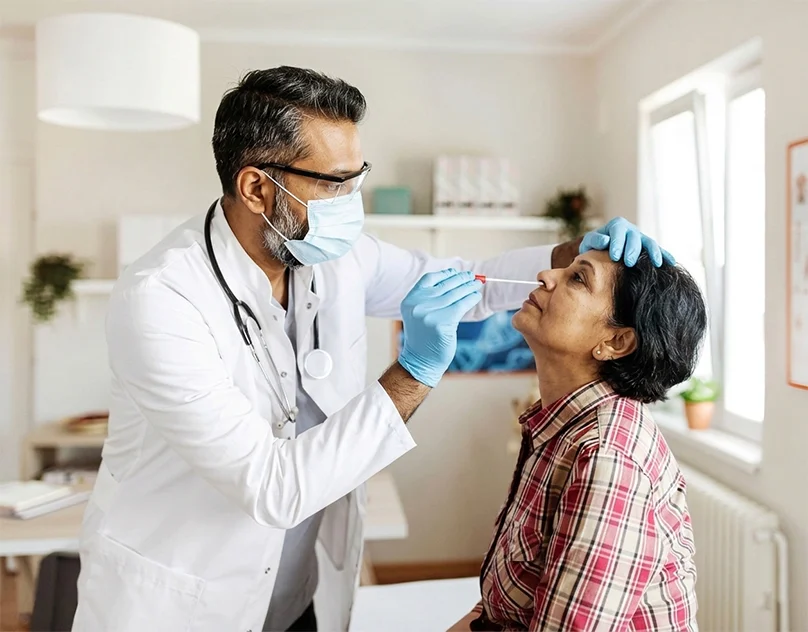
Here is where genetic testing like help all comes in. A regular blood test might show cholesterol levels or vitamin deficiencies. Usually, it is about genetic testing that shall dive deeper. This can all show as how those unique DNA can affect the ability to function the below:
- Detoxify pollutants and chemicals
- Handle oxidative stress (leading to damage from free radicals)
- Absorb and use vitamins and minerals
- Process various types of food
- Resist or adapt to environmental stressors
As the NIEHS states, environment and genes might further work together normally. Genetic testing like help can all help in mapping out which weak spots one might have – and then we can target several environmental Alterations which shall matter most for you.
The LifeCode Advanced Genetic Health Panel
At LifeCode, we use the Advanced Genetic Health Panel by LifeCode. This is not a one-size-fits-all test. It is a powerful tool which shall all look at numerous genetic pathways, which includes:
- Detoxification genes – how well the body shall clear pollutants and toxins
- Methylation pathways – how body shall manage stress and repairs DNA
- Oxidative stress defences – how strong those natural “antioxidant shield” is
- Nutrient metabolism – how efficiently one shall absorb and use key vitamins and minerals
With this information, we can give you personalized recommendations. For example:
- If the genes might show weaker detox ability, we might further advise lowering exposure to some chemicals, installing a water filter, or adding other specific foods which shall support detox pathways.
- While those antioxidant defences are lower, we might further recommend more antioxidant-rich foods or supplements.
- If the body shall struggle with some nutrients, we can also guide you toward the right diet or targeted supplementation.
This is what one can call precision health for sustainability. Instead of that generic advice, you can simply get a personalized roadmap.
A Real-Life Example
Let us look into a simple story (fictional, but based on real cases).
Emma, a 35-year-old teacher, came to us while she was feeling tired and sensitive to strong smells like cleaning sprays. She also had frequent headaches.
Her LifeCode Health Panel revealed:
- A genetic variant that lowered her ability in detoxifying some of the common chemicals
- Lower efficiency while handling those oxidative stress
Based on such things, LifeCode helped in making several alterations:
- Switching to those non-toxic cleaning products
- Adding some of the cruciferous vegetables (including broccoli and kale) while supporting those detox pathways
- Taking other antioxidants which are highly recommended for genetic profile
Within several months, Emma is known to report more energy, fewer headaches, and better wellbeing. She is also found that using fewer chemical products at home shall all make her household eco-friendly.
This is a held as a perfect example of how understanding those DNA lowers both personal health risks and environmental strain.
Practical Steps One Can Take
Below mentioned are some of the tips to share with client’s post running the tests:
- Know your genes: This is a comprehensive panel like LifeCode which takes the first step.
- Understand exposures – Look at your air, water, food, and several helped household products.
- Match the two – While those genes shall all show various sensitivity in detox, prioritize lowering such chemical exposure.
- Support weak spots – Make use of food, supplements, and several lifestyle strategies that are well tailored as per your DNA.
- Reassess regularly – While those genes do not change, that environment might. You need to just keep on adapting.
Why This Matters for the Future
The bigger picture is just so clear:
- Personalized health shall lower some of the medical waste and overuse of resources.
- Preventive care shall further lower the burden on healthcare systems.
- Better personal health choices are known to drive several demands for sustainable, low-toxin products.
- Together, this shall all help in creating a healthier planet.
As the Financial Times reported, some of the environmental factors are usually important than genes that are determining some of the health results. But when one shall know about several genetic blueprint, you can further make smarter choices about which environmental alterations shall matter the most for you.
LifeCode’s Invitation to You
As your healthcare genetic testing provider, LifeCode shall wish to empower you with knowledge about your DNA and how it shall shape your relationship with the environment.
Our Advanced Genetic Health Panel by LifeCode is well designed for giving you such knowledgeable things. With it, you can further take proper control of the health, while lower the internal environmental impact, and live more sustainably.
On knowing that you are ready to discover how your DNA shall affect the environmental resilience, make sure you reach out to us as soon as possible.

What Longevity Genetics Means
What Whole Genome Sequencing Is Understanding the Human Genome What Is Whole Genome Sequencing? How Whole Genome Sequencing Works Whole Genome Sequencing vs Other Genetic Tests Why...


What Whole Genome Sequencing Is
What Whole Genome Sequencing Is Understanding the Human Genome What Is Whole Genome Sequencing? How Whole Genome Sequencing Works Whole Genome Sequencing vs Other Genetic Tests Why...

Education: Bachelor of Pharmacy (B.Pharm) from the Tata Institute of Social Sciences (TISS), Mumbai Experience: Agarwal is a seasoned pharmacist with over 7 years of experience in the pharmaceutical field. She has worked in various settings, including hospital pharmacies and community clinics, where she has excelled in medication management, patient counseling, and clinical support. Agarwal is known for her expertise in drug therapy optimization and patient safety. In addition to her practical experience, she contributes to health journalism, focusing on pharmaceutical advancements and health policy, and is involved in research projects aimed at improving medication practices and health outcomes. is known for her expertise in drug therapy optimization and patient safety. In addition to her practical experience, she contributes to health journalism, focusing on pharmaceutical advancements and health policy, and is involved in research projects aimed at improving medication practices and health outcomes.


