




How Genetic Testing Can Help Prevent Pimples
- Understanding the Roots of Pimples
- The Genetic Blueprint of Your Skin, How Genes Influence Pimples
- Unlocking Skin's Secrets, With The Power of Genetic Testing
- Advanced Genetic Testing for Skin Care , The Acne Prevention Panel
- How Genetic Testing Can Helps to Prevent Pimples
- Embracing the Future of Skincare, While Knowing The Role of Genetic Testing Providers
- Know Genes, Clear Your Skin
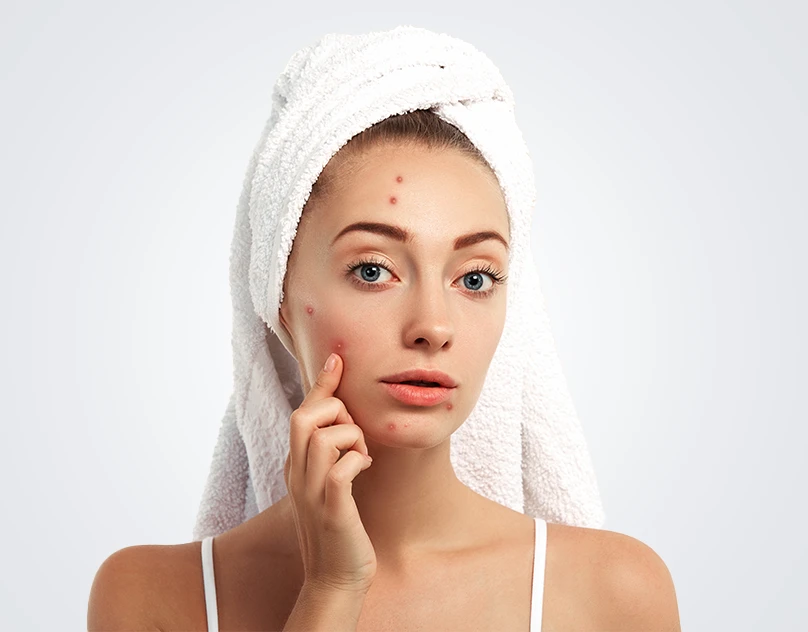
Pimples, this word can trigger multiple memories of teenage angst, frustrating routines, and the constant search for having a clear complexion. While some of the associated aspect with adolescence, pimples, or acne vulgaris, are seen affected individuals of all ages. Such issues can all lead to inflammation, blackheads, whiteheads, and those several unwelcome red bumps.
Sometime while being in the humid climate, where excess oil production and environmental pollutants are while among those daily realities. Such struggle that goes against pimples can further feel particularly challenging. There are many to reach for dealing on knowing how to prevent pimples on face over-the-counter remedies, they shall try countless skincare fads, or seek advice based on usual information. But what if you could understand the skin’s predisposition to pimples at a much deeper level?
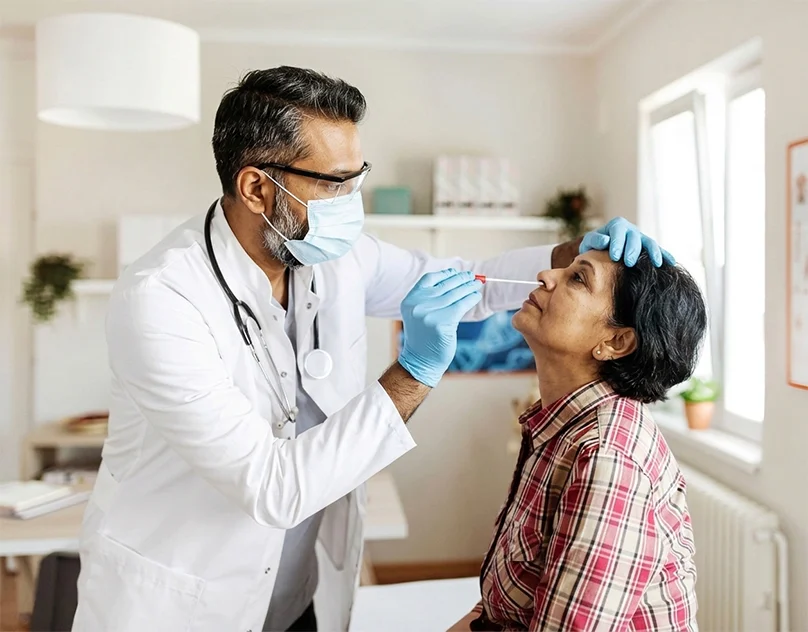
This is where the power of genetic testing by LifeCode comes into play. It is sure to offer some of the best personalized approach to prevention and care.
Here, let’s delve into the science behind pimples, explore how genetic testing can further provide some valuable insights into your skin’s unique characteristics. You need to discuss as to how advanced genetic testing panels for skincare can empower you to take proactive steps while having a clearer, healthier complexion.
Understanding the Roots of Pimples
Before you can even explore some of the role of genetics, you need to briefly some of the recap with reference to key factors which can all contribute to the development of pimples:
- Excess Sebum Production: This is an oily substance which can help in keeping the skin moisturized. Some of the aspects such as hormonal fluctuations, genetics, and certain environmental can eventually lead to overactive sebaceous glands. This act can all result in excess oil.
- Clogged Hair Follicles: When some of the dead skin cells are not shed properly, they can further mix with excess sebum. This can result in clogging of those hair follicles.
- Bacteria (Propionibacterium acnes or Cutibacterium acnes): Such bacteria shall all lead naturally to reside on the skin. However, while going across some of the clogged follicles, they can all multiply rapidly, triggering inflammation.
- Inflammation: The immune of the body shall all response to the overgrowth of bacteria leading to inflammation.
- Hormonal Fluctuations: Hormones, particularly androgens, are known to play a significant role in sebum production. Some of the fluctuations while being in the stage of puberty, menstruation, pregnancy, and stress shall all together contribute to acne breakouts.
Some of the primary drivers of pimples, along with that extent to which each factor shall affect as an individual can vary greatly. This is where some of the genetics shall enters the picture.
The Genetic Blueprint of Your Skin, How Genes Influence Pimples
While getting to know how to prevent pimples on face your genes contain the instructions that determine numerous physical traits. This also includes aspects of skin’s structure and function. Some of the genetic variations can further influence several predispositions to evolve pimples by affecting the key factors that are mentioned below:
- Sebum Production: Genes that are specifically involved in the regulation of sebum production which can all influence as how oily the skin shall naturally be. Individuals with genetic predispositions for higher sebum production might be severely prone to clogged pores and various breakouts.
- Inflammatory Response: Genes are known to be heavily involved in the inflammatory pathways. This can all affect as to how the skin shall react to bacteria and other triggers. Several individuals might also have a genetic tendency for a more robust inflammatory response. This can eventually lead to severe and persistent pimples.
- Skin Cell Turnover: Genes are known to be influencing the rate at which those skin cells can shed. This can further play a role in preventing clogged pores. There are also variations in some genes might lead to a slower shedding process.
- Hormone Metabolism: Genes are all involved in some of the metabolism of hormones. They include androgens, which can all indirectly influence some of the sebum production and the likelihood of hormonal acne.
- Antioxidant Capacity: Other gene while knowing how to prevent pimples on face are well related to some of the production of antioxidants. They can all affect the skin’s ability to with reference to protecting itself from damage and inflammation. Lower antioxidant level and the capacity shall all make the skin susceptible to pimple development and slower healing.
It is also important for you to understand that having some of the genetic predisposition does not guarantee development of severe acne like condition. However, there are various environmental factors, lifestyle choices, and some of the common skincare routines who shall play significant roles. However, while getting to know some of the genetic tendencies. This can also help in empowering one to make several information about decisions with regards to prevention and management of several things to some level of expectations.
Unlocking Skin's Secrets, With The Power of Genetic Testing
Genetic testing like help with respect to skincare is a pack of steps. This shall include analysing specific genes or genetic variations. They are all known for being well associated with various skin characteristics and conditions such as acne hence, knowing how to prevent pimple on face can help. Further, on examining some of the unique genetic makeup, the tests can all help in providing other valuable insights into:
- Your natural sebum production levels: Learn if the genetic predisposition for that oily skin are present at some level.
- Your skin’s inflammatory response: Know about how the skin is likely to react with some of the regard that shall trigger others.
- Your skin’s natural antioxidant defines: Assessing the skin’s ability on protecting among themselves.
- Potential sensitivity with reference to some ingredients: this can be further Identifying genetic markers that can be well associated with enhanced risk of irritation.
- Your skin’s collagen production and aging patterns: While you are not directly related to pimples, this can provide a more holistic understanding of the skin you have.
Advanced Genetic Testing for Skin Care , The Acne Prevention Panel
For some of the individuals specifically who are severely concerned about issues such as pimples, advanced genetic testing for Skin Care panels shall include a focus on genes directly and indirectly involved in acne development.
This LifeCode panel, is offered by genetic testing providers, you can also analyse a comprehensive set of genetic markers relevant to:
- Sebum Regulation: Genes including SCD1 (Stearoyl-CoA Desaturase-1) shall all play a role in some of the sebum composition and production. Other variations shall include gene which can influence the type and amount of oil that the skin produces.
- Inflammation Control: Some of those genes can also involve in the immune response like those who are encoding for cytokines like IL-1 (Interleukin-1) and TNF-alpha (Tumor Necrosis Factor-alpha). Such things can all indicate a predisposition for heightened inflammation.
- Keratinization (Skin Cell Turnover): Some might include CDSN (Corneodesmosin) which are all involved in the process of skin cell shedding. Other variations can also affect some of the efficiency of this process, which can on the other hand potentially lead to clogged pores.
- Androgen Receptor Sensitivity: Knowing how to prevent pimples on face as it is well related to androgen receptors as it can influence as to how the skin shall respond to hormones. Such complete information can all impact sebum production.
- Bacterial Défense: While you are not directly testing for the bacteria itself, some of the genetic who are the markers might can further indicate variations in the skin’s natural defines mechanisms that goes well against bacterial overgrowth.
- Detoxification Pathways: Genes involved in the detoxification of environmental pollutants, which can indirectly impact skin health. This includes some of the pollutants who can contribute to inflammation and breakouts.
Further on analysing some of these and other relevant genes, which includes an advanced genetic testing panel for acne prevention. This can further provide a personalized risk assessment and valuable information to guide several skincare choices.
How Genetic Testing Can Helps to Prevent Pimples
Getting a proper insight that is well gained from genetic testing can further empower you to adopt a more targeted and effective approach which further helps in pimple prevention and helps in knowing how to prevent pimples on face:
- Personalized Skincare Routine: While being based on the genetic predispositions, one can choose skincare products and ingredients which are also best suited for the skin type and potential concerns. When the genes shall indicate a tendency for oily skin. You need to prioritize oil-free and non-comedogenic products which shall contain ingredients like salicylic acid or niacinamide. While having a genetic predisposition for inflammation, incorporating anti-inflammatory ingredients including green tea extract or chamomile is well beneficial.
- Targeted Lifestyle Adjustments: Knowing the genetic risk factors can help in informing lifestyle choices. For instance, when you have some genetic tendency for a strong inflammatory response, managing stress levels and adopting an anti-inflammatory diet shall be important too.
- Proactive Prevention: While working on some of the reactions about breakouts, you can further take several proactive steps while preventing them from occurring in the first place. This shall further involve incorporating specific cleansing techniques, exfoliation methods, or targeted treatments which is well based on the genetic profile.
- Informed Treatment Decisions: While you might do experience breakouts, genetic testing like help is the outcome while you can help dermatologists to recommend more effective treatments. This is well about minimizing trial-and-error.
- Understanding Ingredient Sensitivities: They are all well associated with an enhanced risk of sensitivity to specific skincare ingredients. Genetic testing like help from LifeCode can help to identify these potential sensitivities and no products shall irritate the skin and shall trigger breakouts.
- Long-Term Skin Health Management: Genetic testing like help provides a long-term perspective on the skin’s tendencies. This can all allow you to develop a sustainable skincare and lifestyle plan for sustaining a clear and healthy complexion throughout the life.
Embracing the Future of Skincare, While Knowing The Role of Genetic Testing Providers
Routine environmental factors and lifestyle alterations can impact skin health, genetic testing providers. They are all playing an increasingly important role in offering personalized skincare solutions. On further providing access to advanced genetic testing panels for acne prevention, these providers can further empower individuals to:
- Gain a deeper understanding of some skin’s unique characteristics that shares awareness.
- You need to come across some informed decisions about skincare products and routines.
- Adopt proactive strategies while also preventing pimples.
- Optimize treatment approaches while getting some breakouts occur.
- Investing in a long-term approach to skin health.
As genetic research like help shall continue to advance, the insights also shall provide by such genetic tests can be more comprehensive. This is about paving the way for truly personalized skincare which can further address the root causes of skin concerns including acne.
Know Genes, Clear Your Skin
The journey to prevent pimples while knowing how to prevent pimples on face can often feel like a frustrating and endless cycle of trial and error. However, with respect to the advent of advanced genetic testing for skincare, you might further have the opportunity for understanding as how the skin at a fundamental level shall work. further on uncovering the genetic predispositions to be well related to sebum production, inflammation, skin cell turnover, and other key factors. This can all involve in acne development. This can also adopt a personalized and proactive approach with respect to act of prevention.
Challenges of the environment, leveraging the power of genetic testing shall all offer specialized providers which can further be a game-changer in the quest for a clear and healthy complexion. You need to embrace the future of skincare, understand the genetic blueprint, and also take a proper control of The skin’s destiny. This can help you to know about the genes, you can also unlock the secrets so as to prevent pimples and achieve the radiant skin that one deserves.

What Longevity Genetics Means
What Whole Genome Sequencing Is Understanding the Human Genome What Is Whole Genome Sequencing? How Whole Genome Sequencing Works Whole Genome Sequencing vs Other Genetic Tests Why...


What Whole Genome Sequencing Is
What Whole Genome Sequencing Is Understanding the Human Genome What Is Whole Genome Sequencing? How Whole Genome Sequencing Works Whole Genome Sequencing vs Other Genetic Tests Why...

Education: Bachelor of Pharmacy (B.Pharm) from the Tata Institute of Social Sciences (TISS), Mumbai Experience: Agarwal is a seasoned pharmacist with over 7 years of experience in the pharmaceutical field. She has worked in various settings, including hospital pharmacies and community clinics, where she has excelled in medication management, patient counseling, and clinical support. Agarwal is known for her expertise in drug therapy optimization and patient safety. In addition to her practical experience, she contributes to health journalism, focusing on pharmaceutical advancements and health policy, and is involved in research projects aimed at improving medication practices and health outcomes. is known for her expertise in drug therapy optimization and patient safety. In addition to her practical experience, she contributes to health journalism, focusing on pharmaceutical advancements and health policy, and is involved in research projects aimed at improving medication practices and health outcomes.


