





genetic testing for huntington’s disease what families need to know

Genetic Testing for Huntington’s Disease What Families Need to Know

When a family first might hear the word Huntington’s disease, the room can suddenly feel smaller, heavier. Here you will hey to know Huntington’s disease (HD), how genetic testing shall work, and how advanced panels, like the Advanced Neurodegenerative Genetic Testing Panel by LifeCode, can support some of the families facing such challenge.

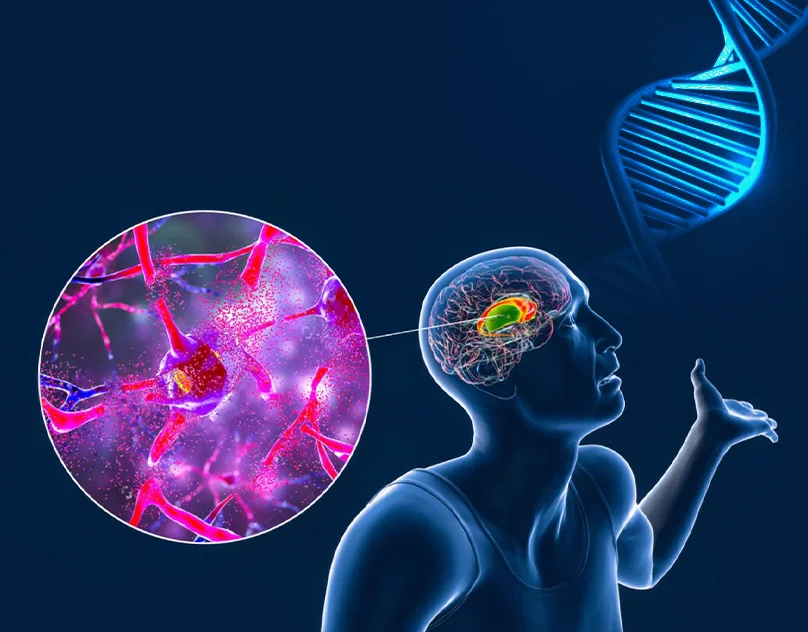
Huntington’s disease is a neurodegenerative disorder. It also means that over a period, it shall damage nerve cells that are present in the brain. As per Wikipedia, HD leads to several uncontrolled movements, with some of the problems including thinking, and changes in emotions.

The cause of this condition is well genetic. HD is the condition that is well linked to a mutation in a gene known as HTT, which is a short firm for “huntingtin.” This gene is usually known to be repeated as a sequence of DNA letters: C-A-G. Most of the people have fewer than 26 repeats. People that are seen with Huntington’s disease have 40 or more repeats. This further shall expand sequence while making the huntingtin protein harmful.

One striking feature of this issue is learned to be inheritance. HD condition is passed down in what is called to be condition known as autosomal dominant pattern. If one parent might have some level of mutation, every child shall have a 50% chance of inheriting it. Families are to further describe about living with a “simple coin toss.” While you shall inherit the expanded gene, you shall almost develop symptoms of the issues at some point. You might not and just cannot pass it to the children.

Symptoms usually appear between ages 30 and 50. This is though as there is also some juvenile form that it can begin earlier. The course of the condition is well progressive, which shall last for approx. 10 to 20 years usually as it is the onset. While there is no cure yet, supportive treatments and research are ongoing (NINDS).

Genetic testing for Huntington’s condition can serve numerous purposes. For someone who has already shown symptoms, testing can further confirm that diagnosis. For those without any of the symptoms but with a family history, such test can inform if they can carry the expanded gene.

The decision to test such thing is not at all simple. As the Huntington’s Disease Society of America explains, some of the predictive testing can get great peace of mind, but this can also get stress like condition along. Some people shall wish for planning careers, finances, or family life. Others might also want to know, fearing the anxiety of a positive result.

This is why genetic counselling is essential. A counsellor shall help some of the people in understanding what the test can and cannot reveal, the possible emotional impact, and the legal protections that is available. In numerous countries, guidelines discourage predictive testing in minors. The thinking is quite well simple: children are to make the decision themselves once they are adults.

Testing for Huntington’s disease is known to be a straightforward kind of deal in practice. A small blood sample is taken well, sometimes this might include saliva or a cheek swab kind of thing. In the laboratory, DNA is extracted and analysed well. The main question of the same lies with: how many CAG repeats are present in the HTT gene?

Results are interpreted in categories that are mentioned below: 

  • 26 repeats or fewer: This is with respect to those normal range, which has absolutely no risk of HD. 
  • 27 to 35 repeats: Intermediate range under this category. The person shall not develop HD, but the gene might further expand when it is passed on to the child. 
  • 36 to 39 repeats: Lowered penetrance kind of thing. Some of the people shall develop HD, and others might not do it. 
  • 40 or more repeats: It is about full penetrance, which means the person is expected to develop HD in their lifetime.

Even with some of the clear outcome, there are numerous limits. Testing does not predict the exact age of onset or severity of some of the symptoms. As Wikipedia notes, two people with almost same repeat length can further experience various courses of disease. Some of them might include genes, lifestyle, and chance may play a role.

What shall happen post testing can all depend on the outcome.

negative outcome (no expanded allele) usually can get relief, but it can also stir up some of the feelings of survivor’s guilt, especially if siblings test positive. A positive outcome means facing the likelihood of developing HD, even when the symptoms are decades away. People might describe this as living with a shadow. This is about knowing but not knowing when.

Support is must under any circumstance. Families benefit from regular neurological check-ups, psychological support, and some of the strong community connections. The Huntington’s Disease Society of America and similar groups worldwide provide resources, counselling, and networks of people who shall understand this journey better.

While a standard HD test that shall look only at the HTT gene, some of the modern science shall help in broadening analysis. Conditions including Huntington’s disease shall simply overlap with other movement disorders. This includes Parkinson’s or certain types of dementia. This is advanced genetic panels that shall come.

LifeCode’s Advanced Neurodegenerative Genetic Testing Panel is designed for such broader picture. Instead it can focus on one gene, which shall examine many genes that are well associated with neurodegeneration. And this has several advantages mentioned below. 

  • Clarity in complex cases: If a person might have several symptoms which shall resemble HD but some might test negative for HTT expansion. This has a broader panel which shall reveal some other cause. 
  • Family reassurance: Families with some of the unclear histories can all explore multiple genetic risks at once. 
  • Research opportunities: Identifying some of the exact mutations shall further qualify individuals for numerous clinical trials. This can help them in accessing cutting-edge therapies. 

Genetic testing like help is more than a medical procedure. This shall help in touching identity, family, and the future. Some of the people shall also describe about mixing those emotions: relief at knowing, fear of the unknown, or regret about choices as soon as it happens. Partners and children might further feel the weight of the result.

Counsellors usually shall encourage people to think through key questions before testing: 

  • What shall I do with the information? 
  • Am I ready for the getting that emotional impact? 
  • Who do I wish to have as my share of the outcome? 
  • How might this affect decisions with respect to children or career? 

 There is no “right” answer to the above questions. Some people might also choose those that are about testing early; others shall eventually wait until they might feel ready. And some people might decide never to test at all. 

At present, there is absolutely no cure for Huntington’s disease. But there is various research while moving forward. As per National Institute of Neurological Disorders and Stroke, scientists are further about testing some of the therapies that shall aim to lower or silence the harmful huntingtin protein. Some trials shall also involve gene-silencing drugs that shall deliver directly into the brain. 

For such trials, genetic testing is needed. Participants must have a confirmed HTT mutation. In such way, testing not only guides families shall also be about fuels medical progress.

Families that are facing issues related to Huntington’s disease are just not alone. Som of the organizations with reference to trusted information and support: 

So, can your genes predict addiction risk? The answer to it is they can help, but they do not tell the whole story at one go. 

Genetics play a major role in vulnerability, but environment, life experiences, and other choices which are equally important. Advanced genetic testing like help shall all give us new tools to understand and address addiction some of the compassionate, effective, and personalized ways. 

The takeaway if further hopeful: by combining genetic insights with therapy, medication, and community support. This can be about opening more doors to prevention and recovery.

As Wikipedia explains, addiction is a “chronic, relapsing disorder” — but with science, compassion, and innovation, the future of treatment looks brighter than ever. 

December 8, 2025 Uncategorized