Have you ever finished a large meal only to find yourself reaching for a bag of chips an hour later while watching a tense movie? Or perhaps you’ve spent a long day at work and felt an uncontrollable “need” for chocolate?
This experience is very common. In fact, according to the American Psychological Association, about 38% of adults say they have overeaten or eaten unhealthy foods due to stress in the past month.
Understanding the difference between stress eating (often called emotional hunger) and physical hunger is one of the most important tools for your long-term health. It is not about willpower; it is about learning to read the signals your body is sending.
What is Physical Hunger?
Physical hunger is your body’s natural way of telling you it needs more fuel. Think of it like a “low fuel” light on a car’s dashboard. It happens when your stomach is empty and your blood sugar levels begin to drop.
Signs of Physical Hunger:
Slow Onset: It builds gradually over time. You might feel a little hungry, then a bit more, and then finally ready for a meal.
Stomach Signals: You might feel a “growl,” a hollow sensation, or even a slight ache in your stomach.
Open to Options: When you are physically hungry, almost any food sounds good. You are happy to eat a balanced meal like chicken, vegetables, or an apple.
Feeling Full: Once you eat, the hunger signals stop. You feel satisfied and can easily stop eating.
What is Stress Eating?
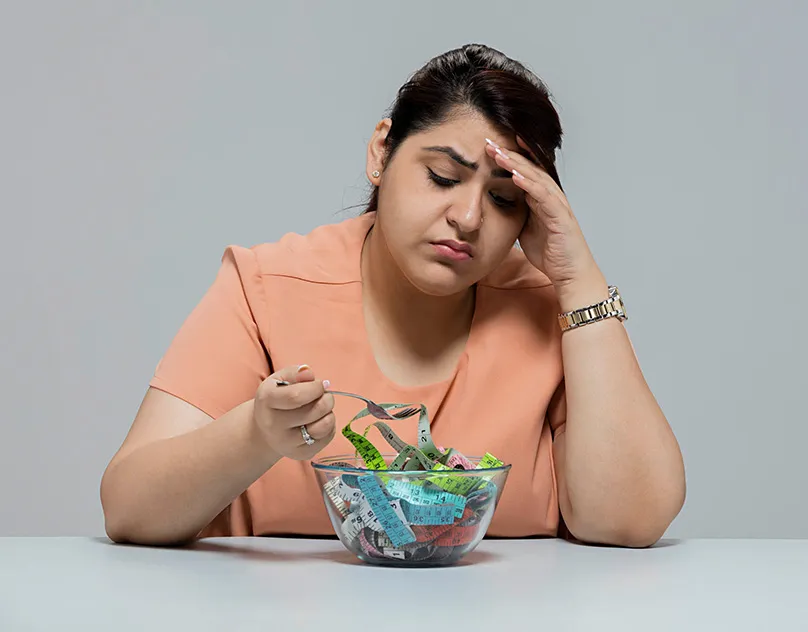
Stress eating is different. It isn’t driven by an empty stomach; it is driven by your brain looking for a way to soothe uncomfortable feelings. When we are stressed, our bodies release a hormone called cortisol.
Research from Harvard Health shows that high cortisol levels can increase your appetite and specifically make you crave foods high in fat and sugar. These “comfort foods” actually trigger chemicals in the brain that make us feel temporarily calm.
Signs of Stress Eating:
Sudden Urgency: It hits you all at once. One minute you are fine, and the next you feel like you must eat right now.
Specific Cravings: You usually don’t want a salad. You crave very specific things, like pizza, ice cream, or salty snacks.
Mindless Eating: You might eat an entire bag of snacks without really tasting them or noticing how much you’ve consumed.
The “Bottomless” Feeling: Even when your stomach is physically full, you might still feel the urge to keep eating.
Guilt or Regret: Afterward, it is common to feel upset or guilty because you weren’t actually hungry to begin with.
How to Tell the Difference: The "Apple Test"
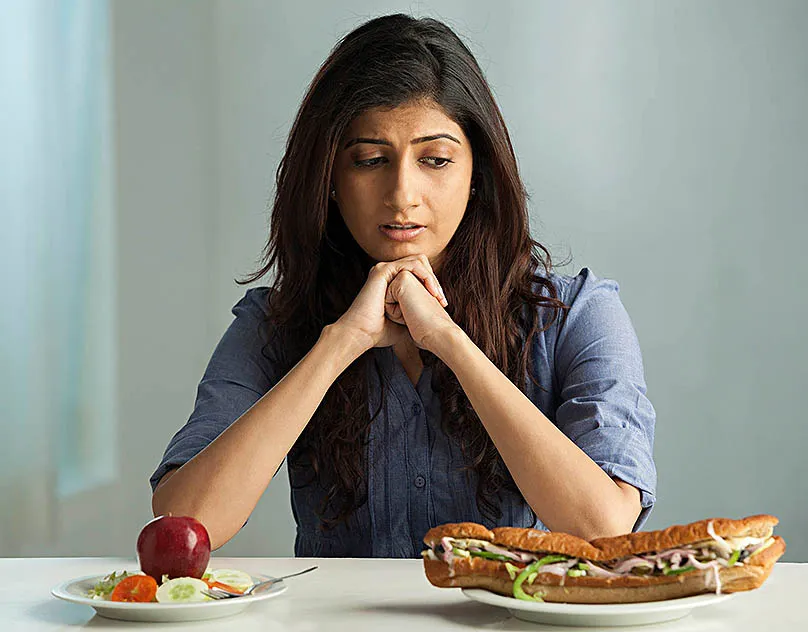
If you aren’t sure which type of hunger you are feeling, try the Apple Test.
Ask yourself: “Would I eat a plain apple right now?” * If the answer is yes, you are likely experiencing physical hunger. Your body needs nutrients.
If the answer is no, I only want those cookies; you are likely experiencing stress eating. Your brain is looking for a distraction or a reward.
Simple Ways to Manage Stress Eating
If you realize you are eating because of stress, don’t be hard on yourself. It is a natural human response. Instead, try these gentle strategies to support your body:
The 10-Minute Pause: When a sudden craving hits, tell yourself you can have it, but wait 10 minutes first. Use that time to check in with your feelings.
Hydrate First: Sometimes our brains confuse thirst for hunger. Drink a glass of water and see if the urge stays the same.
Move Your Body: A quick 5-minute walk or some light stretching can help lower cortisol levels more effectively than food.
Keep a Food Mood Journal: Note down what you eat and how you feel. You might notice that you always reach for snacks after a specific meeting or at a certain time of night.
Prioritize Sleep: Lack of sleep makes stress eating worse. According to the National Sleep Foundation, being tired increases the hormones that make you feel hungry and decreases the ones that tell you that you are full.
Physical hunger comes from the stomach to provide energy. Stress eating comes from the mind to provide comfort. By learning to recognize these signals, you can give your body what it truly needs—whether that is a nutritious meal or a moment of relaxation.