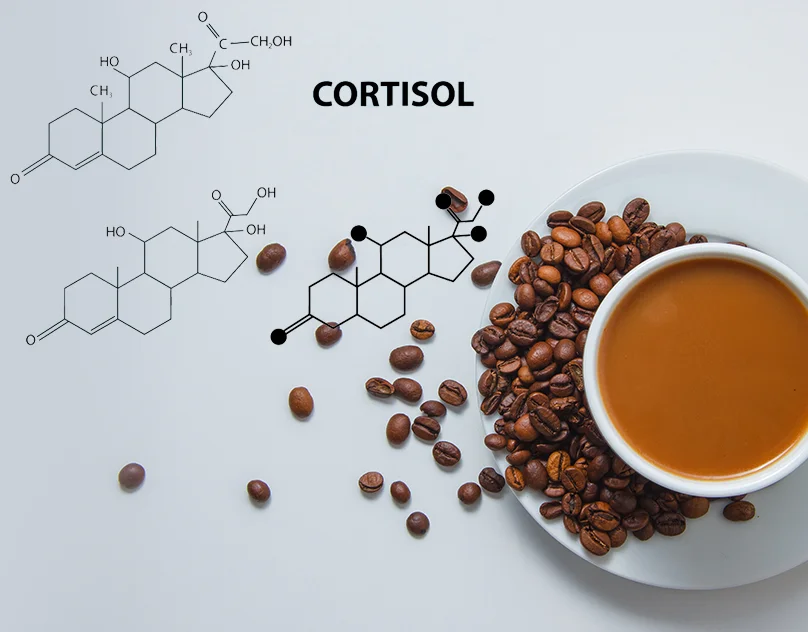
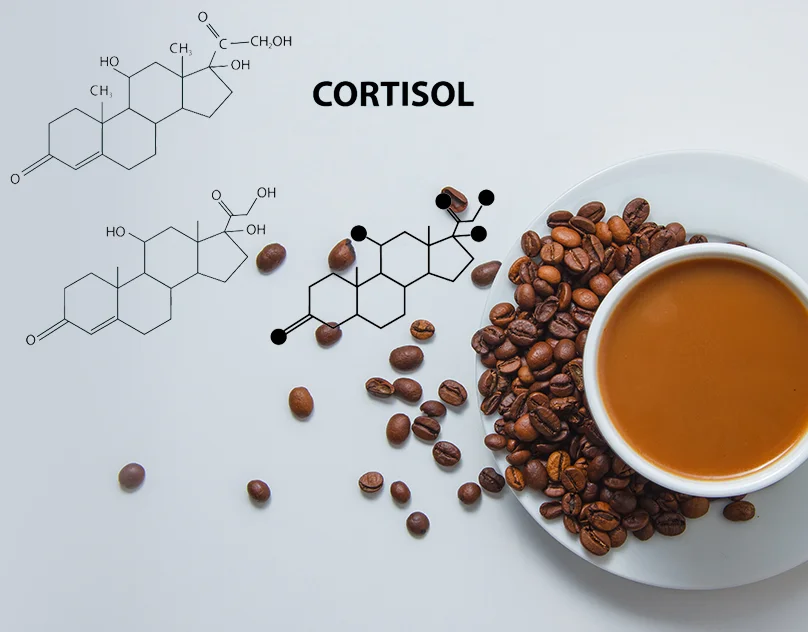
We have all been there: you grab a large cup of coffee to start your day, feel a surge of energy for an hour or two, and then suddenly feel like you need a nap by 2:00 PM. This “afternoon slump” isn’t just in your head. It is a result of the complex relationship between caffeine and your body’s primary stress hormone, cortisol.
Understanding how these two interact is the key to breaking the cycle of energy crashes and reclaiming your natural vitality.
The Caffeine and Cortisol Connection
Cortisol is often called the “stress hormone,” but it is also your body’s natural alarm clock. Under normal conditions, your cortisol levels are highest in the morning to help you wake up and lowest at night to help you sleep.
When you consume caffeine, it triggers your adrenal glands to release more cortisol.
The High: This extra cortisol, combined with the way caffeine blocks “sleepiness” signals in the brain, creates a feeling of intense focus and energy.
The Crash: Eventually, the caffeine wears off. If you have “borrowed” too much energy by spiking your cortisol, your body compensates by dropping your blood sugar and energy levels lower than they were before.
Why Timing Matters
According to the Mayo Clinic, most healthy adults can safely consume up to 400 milligrams of caffeine a day. However, when you drink it matters just as much as how much.
If you drink coffee the moment you wake up—when your natural cortisol is already at its peak—you can build a tolerance. This means you’ll need more and more caffeine just to feel “normal.” Statistics suggest that roughly 80% of adults in the U.S. use caffeine daily, yet many still report feeling chronically tired. This is often because they are stuck in a loop of caffeine-induced cortisol spikes followed by energy crashes.
The Role of Genetic Testing
Have you noticed that some people can drink an espresso at 9:00 PM and sleep perfectly, while others feel jittery all day after just one cup of tea? This isn’t just about habit; it’s about your DNA.
Genetic testing is a vital tool for understanding your unique relationship with caffeine. Your body uses a specific enzyme, coded by the CYP1A2 gene, to break down caffeine.
Fast Metabolizers: These individuals clear caffeine from their system quickly and are less likely to experience a prolonged cortisol spike or an energy crash.
Slow Metabolizers: For these people, caffeine stays in the blood much longer. This can lead to higher anxiety, heart palpitations, and severe energy crashes as the body struggles to balance cortisol.
By looking at your genetic markers, you can learn exactly how much caffeine your body can handle and the best time of day for you to enjoy it without ruining your sleep or your energy levels.
Tips to Avoid the Crash
You don’t have to give up coffee to stay energized. You just need to work with your biology:
Wait 90 Minutes: Try waiting about an hour and a half after waking up before your first cup. This allows your natural cortisol levels to begin their decline so the caffeine can provide a helpful boost rather than a double-spike.
Hydrate First: Drink a glass of water before your coffee to support your adrenal glands.
Watch the “Cut-off” Time: According to Sleep Foundation data, caffeine can stay in your system for up to 8 hours. Try to stop drinking it by early afternoon to protect your nighttime rest.
Tip: Watch out for excessive tea consumption throughout the day. Even smaller caffeine amounts (30–50 mg per chai cup) can add up and disturb sleep or cause energy crashes.
Dietary Strategies from Nutritionist’s Perspective
To support your energy and reduce caffeine reliance:
Time of Day
Foods to Support Cortisol and Energy
Morning (pre-caffeine)
Warm lime water, soaked chia, or banana stem juice
Breakfast
Protein + fiber: moong chilla, millet pongal, or ragi dosa + chutney + egg whites
Midday Crash
Balanced lunch with rice/roti + dal + veg + curd + sprouts
Afternoon Slump
Herbal tea (tulsi, ashwagandha) + fruit + 5-6 nuts
Evening
Caffeine-free options like turmeric milk or pumpkin seed smoothie
Master Your Energy with Lifecode
If you are tired of the “boost and burn” cycle, it is time to look at your biological blueprint. At Lifecode, we believe that true energy comes from understanding your body’s unique chemical balance.
The Lifecode Panel Advanced Genetic Testing gives you a clear picture of how your genes influence your metabolism, stress response, and energy levels. We provide the data you need to optimize your caffeine intake and support your cortisol health, helping you stay energized all day long.