When we think about aging, we often look at the outside of our bodies—things like grey hair or skin changes. But real aging happens deep inside our cells. One of the most important parts of this process is something called telomere biology.
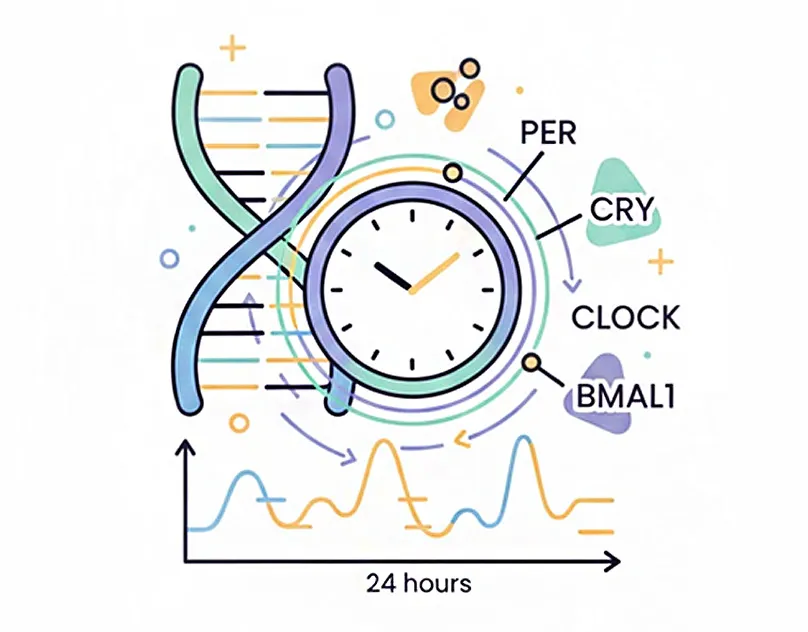
Understanding telomeres is like finding a “biological clock” inside your body. By learning how this clock works, you can take steps to slow it down and enjoy a longer, healthier life.
What are Telomeres?
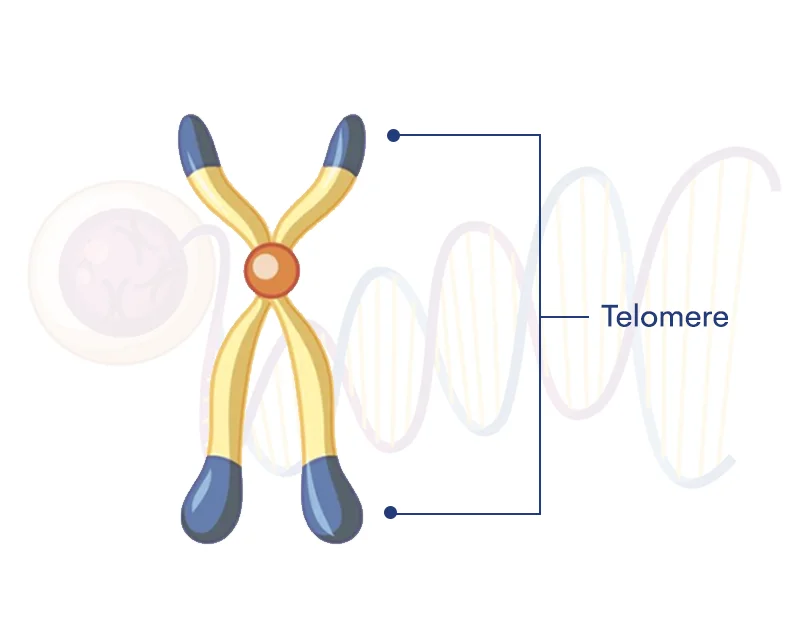
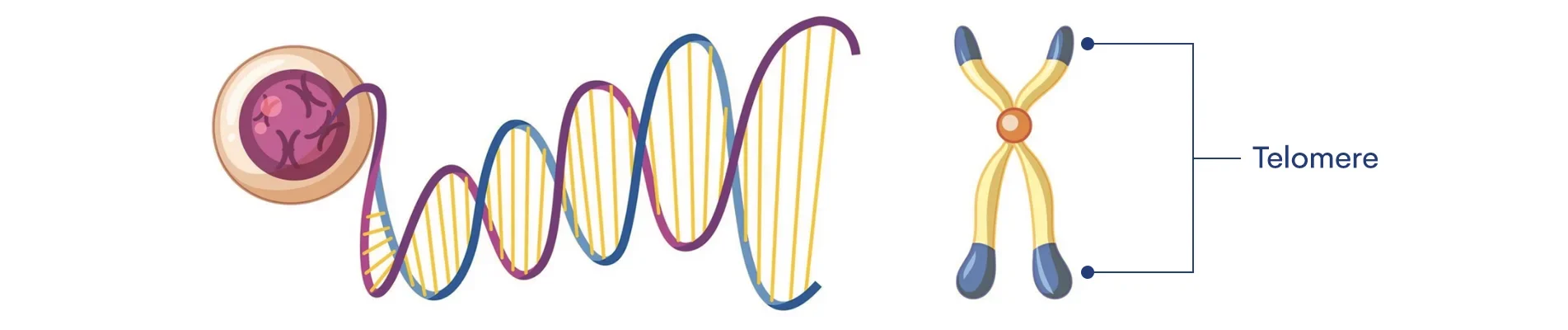
A telomere is a region of repetitive nucleotide sequences at each end of a chromosome, which protects the end of the chromosome from deterioration or from fusion with neighboring chromosomes.”
To make this easier to picture, think of your DNA like a pair of shoelaces. At the end of every shoelace, there is a plastic tip that keeps the lace from fraying. Telomeres are those plastic tips for your DNA. They keep your genetic information safe every time your cells divide.
How Telomere Biology Works
Every time a cell in your body divides to make a new one, your DNA must be copied. However, the copying process isn’t perfect. Each time a cell divides, a tiny bit of the telomere is lost.
The Hayflick Limit
Eventually, after many divisions, the telomeres become too short to protect the DNA. When this happens, the cell can no longer divide. It either stops working (becoming a “zombie cell”) or it dies. this is known as the Hayflick limit, the number of times a normal human cell population will divide until cell division stops.
The Role of Telomerase
Your body has a special enzyme called telomerase. Its job is to add length back to the telomeres. Think of it like a repair crew that replaces the worn-out plastic tips on your shoelaces. Keeping your telomerase active is a major goal in longevity science.
Why Telomere Biology Matters for Your Health
Scientists have found that telomere length is a powerful indicator of “biological age.” This means your cells might be older or younger than the number of birthdays you have celebrated.
Longevity: People with naturally longer telomeres often live longer and have better heart and brain health as they age.
Disease Prevention: Short telomeres are linked to a higher risk of age-related issues. Data shows that individuals with shorter telomeres in their white blood cells may have a 3 times higher risk of certain heart health challenges.
Stress Impact: High levels of chronic stress can actually “burn through” telomeres faster. Studies show that people under intense long-term stress can have telomeres that look 10 years older than people with lower stress levels.
Genetic Testing: Mapping Your Biological Clock
Since you cannot see your telomeres, how do you know if your “protective caps” are strong? This is where genetic testing plays a vital role.
Genetic testing allows us to look at the specific genes that control your telomere biology. It helps answer important questions about your future health:
Rate of Aging: It helps identify if your body is naturally prone to faster telomere shortening.
Enzyme Efficiency: It checks how well your TERT and TERC genes (the instructions for telomerase) are working.
Customized Care: If you know your telomeres are shortening faster than average, you can make specific changes today to protect them before damage occurs.
Testing moves you from “guessing” about your health to having a data-driven plan.
How to Protect Your Telomeres Naturally
While your genes provide the blueprint, your lifestyle chooses how fast the “clock” ticks. Here are ways to support healthy telomere biology:
Manage Stress: Meditation and deep breathing have been shown to boost telomerase activity.
Healthy Diet: Foods high in antioxidants (like berries and leafy greens) protect telomeres from oxidative damage.
Regular Exercise: Consistent, moderate exercise (like brisk walking or swimming) is linked to longer telomeres.
Quality Sleep: Getting 7–9 hours of sleep allows your “repair crews” to work on your DNA overnight.
Discover Your Cellular Age with Lifecode
Your telomeres are the sentinels of your health. at Lifecode, we believe that understanding your telomere biology is one of the best ways to take control of your aging process.
The LifeCode Panel Advanced Genetic Testing looks deep into the markers that influence your cellular lifespan. We don’t just give you a report; we give you a compassionate, professional roadmap to help you stay younger at a cellular level.
Ready to Unlock Your Genetic Secrets?
Order a Genetic Testing Kit (Swab Test): We will send a simple, painless kit to your door. A quick swab is all it takes to see your cellular future.
Book a Genetic Consultation: Speak with our specialists to understand your results and create a personalized plan to support your telomere health.