Epigenetics and Lifestyle Influence: How Your Choices Shape Your DNA
For a long time, many people believed that our DNA was like a fixed instruction manual. They thought that if you were born with certain genes, your health path was already decided. However, modern science has discovered something amazing called epigenetics.
At LifeCode, we want to help you understand your daily choices—what you eat, how you move, and even how you handle stress—send signals to your genes. You have more power over your health than you might think.
What is Epigenetics?
The word “epigenetics” sounds complicated, but the idea is simple. According to Wikipedia, epigenetics is the study of “phenotype changes that do not involve alterations in the DNA sequence.”
To understand this, imagine your DNA is like a giant library of books. These books contain all the instructions for your body. While you cannot change the words printed in the books, you can decide which books are opened and which ones stay closed. Epigenetics is the study of the “switches” that turn your genes on or off.
How Your Lifestyle Influences Your Genes
Your lifestyle acts like a master controller for these switches. Here are the most common ways your daily habits influence your genetic expression:
Nutrition and Diet
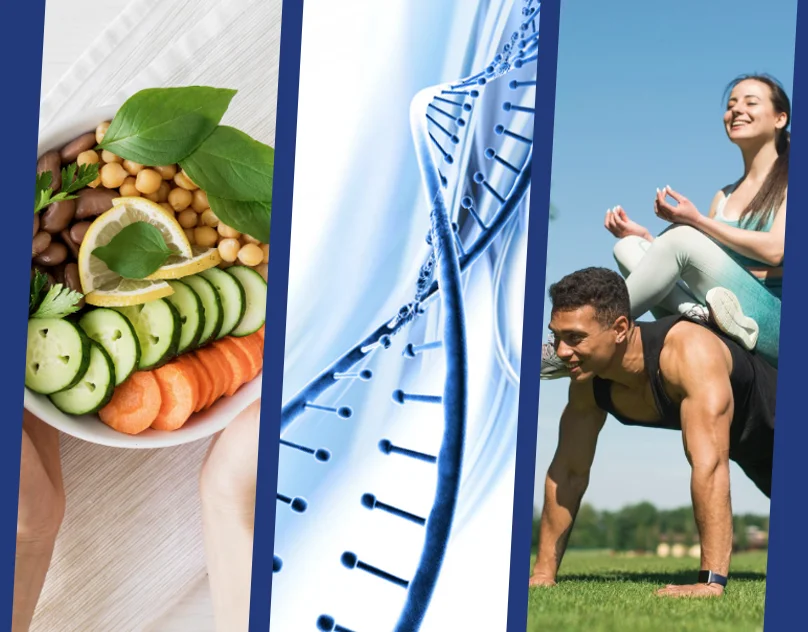
The food you eat is one of the strongest signs you send to your genes. For example, certain nutrients found in green leafy vegetables can help “silence” genes that might cause inflammation.
The Power of Plants: Foods like broccoli and garlic contain compounds that support healthy gene switches.
Processed Foods: High-sugar diets can sometimes flip switches that lead to metabolic issues.
Physical Activity
When you exercise, your muscles send chemical signals to your DNA. Studies show that regular exercise can change the “tags” on your DNA in ways that help prevent heart disease and type 2 diabetes.
Stress and Mental Health
How we feel inside affects our biology. Long-term stress produces a hormone called cortisol. High levels of cortisol can flip genetic switches that affect your immune system and your mood. This is why practicing mindfulness and getting enough sleep is so important for your DNA health.
Environmental Factors
Where you live and what you breathe also matters. Exposure to pollution or certain chemicals in the air can add “marks” to your genes. Knowing this helps you make better choices about your environment whenever possible.
Why the Data Matters
The impact of lifestyle on our genes is backed by strong data.
According to the World Health Organization, roughly 80% of heart disease, stroke, and type 2 diabetes could be prevented by lifestyle changes.
Research shows that even just 30 minutes of moderate exercise can start changing the epigenetic markers in your muscle cells.
These statistics show that while we inherit our genes, we often “earn” our health through our habits.
The Role of Genetic Testing
If you want to make the best lifestyle choices, you first need to know what your “baseline” looks like. This is where genetic testing comes in.
Because everyone is unique, a diet that works for one person might not be the best for another. Genetic testing allows you to see your specific risks and strengths. For example, a test might show that your body processes vitamin D differently than others. Armed with this knowledge, you can change your lifestyle to make sure your genes are getting exactly what they need to stay “switched on” for health.
At LifeCode, we believe that testing is the first step toward personalized wellness. Instead of following general advice, you can follow a plan that is written in your own DNA. Using tools like lifecode.life helps you move from guessing about your health to knowing the facts.
Compassion for Your Future Self
Thinking about genes can sometimes feel scary, but epigenetics is actually a message of hope. It means that your future is not set in stone. Every healthy meal, every walk in the park, and every good night’s sleep is a gift you are giving to your DNA.
By understanding the connection between epigenetics and lifestyle influence, you are taking the lead in your own health story. You are not just a passenger in your body; you are the driver.
Take the Next Step with LifeCode
Your journey to better health starts with understanding your unique genetic blueprint. We are here to help you unlock the secrets hidden in your DNA so you can live your best life.
The LifeCode Panel Advanced Genetic Testing provides you with a clear, easy-to-read report on your genetic risks and how your lifestyle can influence them. Let us help you find the right switches to flip for a healthier, happier for you.