We all want to live a long life, but more importantly, we want to live those years in good health. This concept is often called “healthspan.” When we talk about longevity genetics, we look at the instructions inside your body—your DNA—to see how they influence how your age.
“Longevity is sometimes used as a synonym for ‘life expectancy’ in demography.” However, in the world of science and health, it is more about the biological limit of life and the factors that help us reach it.
In this guide, we will explore what longevity genetics means for you and how understanding your blueprint can help you make better choices for your future.
The Basics: Is Long Life in Your DNA?
Many people wonder if they are “destined” to live a certain number of years based on their parents or grandparents. While family history matters, it is not the only factor.
Research suggests that genetics account for about 25% of the variation in human lifespan. The other 75% comes from your environment, your diet, and your lifestyle choices. This is good news! It means that while your genes provide the “map,” you are still the one driving the car.
Why Some People Live to 100
Scientists often study “centenarians” (people who live to be 100 or older) to find clues. These individuals often possess specific genetic variants that protect them against common age-related issues like heart disease or memory loss.
Key Genes That Influence Aging
You don’t need to be a scientist to understand the basics of longevity genetics. There are a few specific genes that researchers focus on because they act like “master switches” for the body’s health.
FOXO3: Often called the “longevity gene,” it helps cells manage stress and repair themselves.
APOE: This gene helps manage cholesterol. Certain versions of this gene are linked to better brain health as we age.
SIRT1: This gene helps regulate metabolism and protects cells from damage.
By understanding if you carry specific versions of these genes, you can tailor your lifestyle to support your body’s natural strengths.
The Role of Genetic Testing: Your Health Roadmap
This is where the science becomes personal. Genetic testing is the process of looking at your DNA to identify specific markers that affect your health and aging process.
In the past, we had to guess which diets or exercises worked best for us. Today, genetic testing removes the guesswork. Here is how it helps:
Identifying Strengths and Vulnerabilities
A genetic test can show if your body is naturally good at processing certain nutrients or if you might be more sensitive to things like inflammation or oxidative stress.
Personalized Nutrition
Not everyone reacts to “healthy” foods the same way. Your genes can tell you if you need more Vitamin D, how you process fats, or if your body needs extra support from antioxidants.
Precision Exercise
Some people’s bodies respond better to strength training, while others thrive with endurance exercises like running. Your DNA can give you a clue about which movement style will keep your joints and heart healthy for the long term.
Important Note: Genetic testing is not a “crystal ball” that predicts exactly when you will get sick. Instead, it is a tool that shows you where you can take preventive action to stay healthy longer.
How Longevity Genetics Impacts Your Daily Life
Knowing your genetic profile allows you to move from “general health advice” to “personalized health action.”
Factor
General Advice
Genetic-Based Approach
Diet
Eat more vegetables.
Focus on sulforaphane-rich foods to support your specific detox pathways.
Sleep
Get 8 hours of sleep.
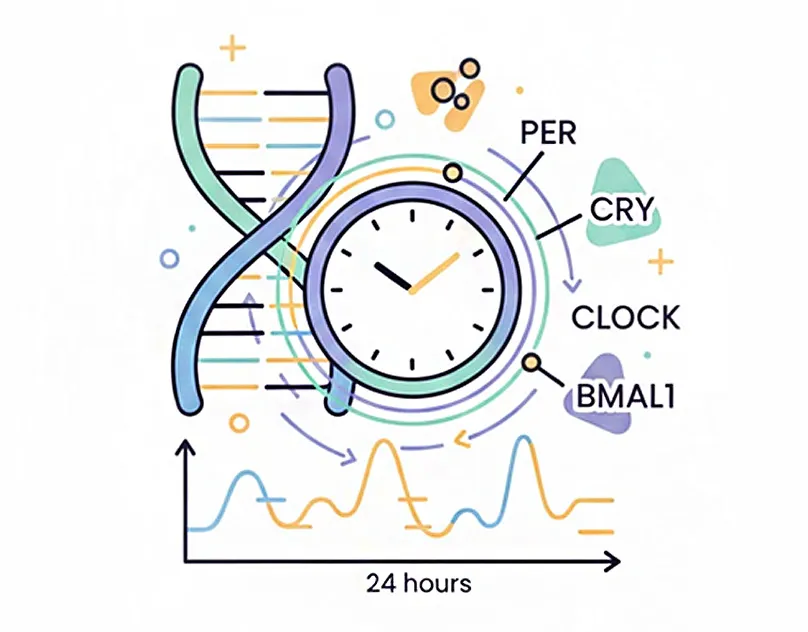
Adjust your schedule based on your “chronotype” (your natural internal clock).
Stress
Practice mindfulness.
Use specific breathing techniques that help your nervous system based on your COMT gene.
Making Science Simple
At its heart, longevity genetics is about empowerment. It is the bridge between the biology you were born with and the life you want to lead. By looking at your DNA, you aren’t just looking at the past; you are looking at a clearer path to your future.
“Genetics is a discipline of biology for the study of genes, genetic variation, and heredity in organisms.” By applying this discipline to your own life, you gain a compassionate understanding of what your body needs to thrive.
Take the Next Step with Lifecode
Ready to stop guessing and start knowing? Lifecode is here to help you unlock the secrets of your DNA. Understanding your unique genetic makeup is the first step toward a personalized plan for a longer, more vibrant life.
We offer the Lifecode Panel Advanced Genetic Testing, a comprehensive look at the markers that matter most for your healthspan. Our process is simple, painless, and provides you with life-changing insights.
How You Can Start Today:
Order a Genetic Testing Kit: We will send a simple swab test directly to your door. It takes less than a minute to complete!
Book a Genetic Consultation: Speak with a specialist who can help you understand your results and create a custom roadmap for your health.