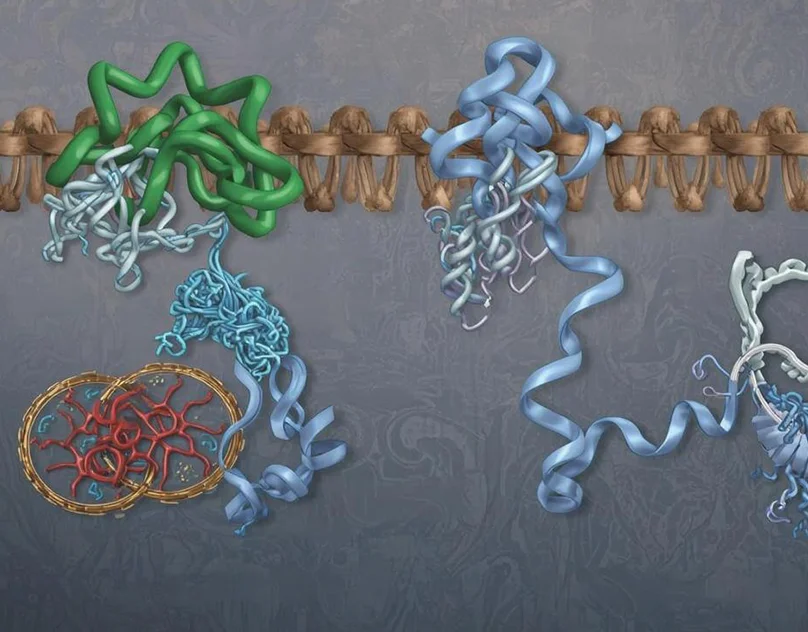
Every building needs a strong foundation and a sturdy frame to stay standing. Your cells are no different. Inside almost every cell in your body is a center called the nucleus, which holds your DNA. The LMNA gene is responsible for creating the “scaffolding” that keeps that nucleus strong and protected.
Understanding what the LMNA gene does is essential for anyone interested in longevity and cellular health. When this gene works correctly, your cells stay resilient. When it doesn’t, it can lead to signs of early aging or heart and muscle challenges.
What is the LMNA Gene?
The LMNA gene provides instructions for making several slightly different proteins called lamins.” Specifically, it creates Lamin A and Lamin C.
These proteins are known as “nuclear lamins.” They weave together to form a thin, sturdy web just inside the shell of the cell’s nucleus. This web is called the nuclear lamina.
The “Helmet” for Your DNA
Think of the LMNA gene as the creator of a protective helmet for your DNA. The nucleus is the “brain” of the cell, and the LMNA proteins make sure the shell is strong enough to handle pressure. Without this protection, the nucleus can become misshapen, which causes the DNA inside to become damaged or disorganized.
Key Jobs of the LMNA Gene
The LMNA gene is a multi-tasker. It doesn’t just provide shape; it plays a role in how your genes are turned “on” or “off.”
Structural Support: It gives the nucleus its round, sturdy shape so it doesn’t collapse under cellular stress.
DNA Organization: It helps anchor your DNA in the right spots so your body can read the “instructions” correctly.
Cell Division: It helps the nucleus break apart and rebuild itself whenever your cells divide to make new ones.
Gene Regulation: It helps control which genes are active, which is vital for keeping your tissues healthy as you age.
Why the LMNA Gene Matters for Longevity
The LMNA gene is often studied in the field of aging because of its connection to “laminopathies”—a group of rare conditions caused by mutations in this gene.
Understanding the Impact
Healthy Aging: In healthy aging, our LMNA proteins stay stable for a long time. However, as we get older, our bodies may produce a tiny amount of a “glitchy” protein called progerin. This is a shorter version of Lamin A that makes cells age faster.
Heart and Muscle Health: Data shows that over 1,000 different mutations in the LMNA gene have been identified. Many of these are linked to how the heart pumps blood or how muscles stay strong.
Cellular Resilience: Research indicates that when LMNA proteins are strong, cells are better at repairing themselves after exercise or injury.
The Role of Genetic Testing: Precision for Your Future
Because the LMNA gene affects so many parts of the body from your heart to your skin knowing your genetic status is incredibly valuable. Genetic testing is the only way to see the specific “code” your body is using to build its cellular scaffolding.
Here is why genetic testing for the LMNA gene is a game-changer:
Early Detection: Many heart or muscle issues related to LMNA don’t show symptoms until later in life. Testing can find these markers early, allowing for “preventive maintenance.”
Personalized Exercise: Some people with specific LMNA variants may need to adjust the intensity of their workouts to protect their heart and joints.
Longevity Planning: By knowing how your cells handle aging at a structural level, you can choose supplements and lifestyle habits that support cellular stability.
Genetic testing moves you away from “general health” and toward precision health. It gives you the data you need to make choices that fit your specific biological blueprint.
How to Support Your Cellular Structure
While you cannot change the LMNA gene you were born with, you can support your cellular health through healthy habits:
Anti-Inflammatory Diet: Foods rich in Omega-3s (like salmon and walnuts) help keep cell membranes flexible and healthy.
Consistent, Moderate Movement: Regular exercise helps “stress” the cells in a good way, encouraging them to stay strong.
Stress Management: High levels of chronic stress can put pressure on your cells. Activities like deep breathing or yoga help protect your DNA from oxidative damage.
Take the Next Step with Lifecode
Your cells are the building blocks of your life. At LifeCode, we want to make sure your foundation is as strong as possible. Understanding your LMNA gene is a vital piece of the puzzle for anyone looking to optimize their healthspan.
The LifeCode Panel Advanced Genetic Testing provides a comprehensive look at the genes that control your cellular structure and aging process. Our mission is to provide you with the insights you need to live a longer, more vibrant life.
Get Started Today:
Order a Genetic Testing Kit (Swab Test): We will send a simple, painless kit to your home. A quick swab is all it takes to unlock your genetic secrets.
Book a Genetic Consultation: Speak with our team of experts to review your results and build a personalized plan for your heart, muscles, and longevity.