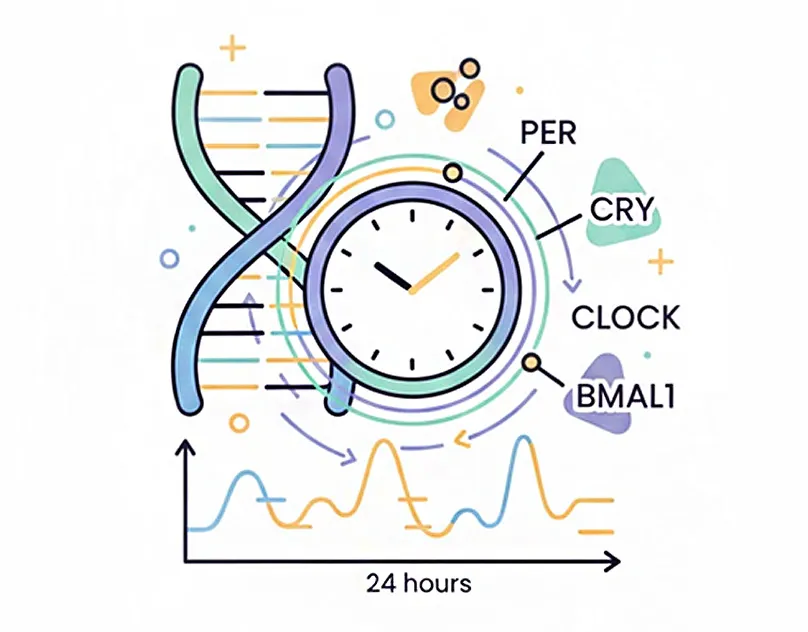
Have you ever met two people of the same age, but noticed one seems to have much more energy and vitality than the other? This happens because your chronological age—the number of years since you were born—doesn’t always match your biological age.
While time moves at the same speed for everyone, our bodies age at different rates. To understand how fast your “internal clock” is ticking, scientists look at biological aging markers. These are measurable signs in your body that show the actual health of your cells and tissues.
What are Biological Aging Markers?
Biological aging markers (also called biomarkers) are physical, chemical, or biological indicators that track the aging process. Unlike chronological age, which is fixed, biological markers can change based on your lifestyle, environment, and genetics.
According to research published in the National Institutes of Health (NIH), these markers are essential because they help predict your risk for age-related diseases better than a birth date ever could.
Key Markers of Biological Aging
Scientists have identified several “hallmarks” that tell the story of how you are aging. Here are the most important ones:
Telomere Length: Telomeres are protective caps at the ends of your DNA strands (like the plastic tips on shoelaces). Every time a cell divides, these caps get shorter.
DNA Methylation: Often called the “Epigenetic Clock,” this measures chemical changes to your DNA. These changes act like “switches” that turn genes on or off, reflecting how much wear and tear your body has experienced.
Inflammatory Markers: Chronic, low-grade inflammation (sometimes called “inflammaging”) is a major sign of aging. Markers like C-Reactive Protein (CRP) help track this internal stress.
Metabolic Health: Markers such as fasting blood sugar and insulin sensitivity show how well your body processes energy. Poor metabolic health is a leading driver of faster biological aging.
Why Knowing Your Biological Age Matters
Studies from Frontiers in Public Health show that your biological age is a much better predictor of life expectancy and “healthspan” (the years you live in good health) than your actual age.
By tracking these markers, you can:
Catch Risks Early: Identify potential health issues before they become chronic diseases.
Measure Progress: See if your new diet or exercise routine is actually working at a cellular level.
Personalize Your Health: Focus on the specific areas where your body needs the most support.
The Power of Genetic Testing
If biological markers are the “symptoms” of aging, your genetics are the “instructions.” Genetic testing plays a vital role in understanding why your markers look the way they do.
While your DNA doesn’t change, your genetic predispositions influence how quickly your telomeres shorten or how your body handles inflammation. For example, some people have a genetic advantage in repairing DNA damage, while others might need more specific nutrients to keep their cells young.
Genetic testing allows you to look “under the hood.” It tells you which biological markers you should watch most closely, giving you a personalized roadmap to slow down your internal clock.
Unlock Your Health Potential with Lifecode
At Lifecode, we believe that data is the key to a longer, more vibrant life.
The Lifecode Panel Advanced Genetic Testing is designed to give you a comprehensive look at your unique biological blueprint. By analyzing your genetic markers, we help you understand your body’s specific needs so you can make informed choices about your future.
Ready to see how old you are on the inside?
Get a detailed analysis of your aging markers.
Receive personalized health recommendations based on your DNA.