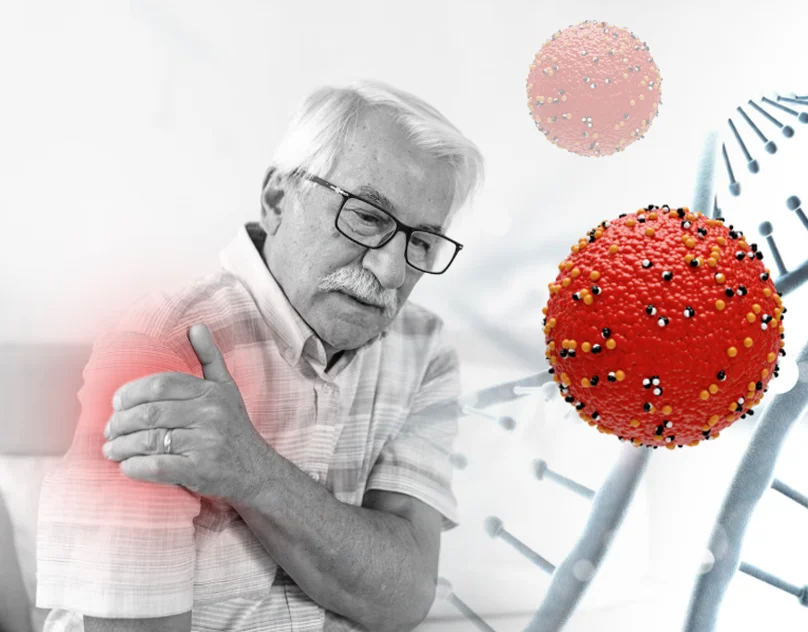
We often think of inflammation as the swelling that happens after a bee sting or a twisted ankle. This is “acute inflammation,” and it is actually a sign of a healthy immune system. However, there is another type of inflammation that is much more quiet and dangerous. It is called chronic, low-grade inflammation.
Scientists now use the term “Inflammaging” to describe how this constant, internal simmer speeds up the aging process. In this guide, we will look at how inflammation affects your body and what you can do to put out the fire.
What is Inflammaging?
Inflammaging is a chronic, low-grade, sterile, non-infectious inflammation that increases with age.” Unlike the redness of a cut, you cannot see or feel this type of inflammation. It happens deep inside your tissues and organs.
Think of your immune system like a fire department. In a healthy body, the firefighters put out a fire and then go back to the station. With inflammaging, the “alarm” stays on all the time. The firefighters never leave, and eventually, they start to wear down the very building they are supposed to protect.
How Inflammation Accelerates Aging
When your body stays in a state of high alert, it causes damage at the cellular level. This damage speeds up how quickly your body “wears out.”
Damage to Healthy Cells
Chronic inflammation produces “oxidative stress.” This creates unstable molecules that attack your healthy cells, damaging their outer walls and the DNA inside. Over time, this makes it harder for your cells to repair themselves.
The Rise of “Zombie Cells”
As we age, some cells stop dividing but don’t die. These are called senescent cells, or “zombie cells notes that these cells secrete inflammatory signals that damage nearby healthy cells. This creates a cycle where inflammation leads to more zombie cells, which then lead to even more inflammation.
Wearing Down the Organs
Inflammaging is linked to almost every major age-related health issue. Data suggests that chronic inflammation is a leading factor in:
Heart Health: It can make blood vessels stiff and clogged.
Brain Health: It is linked to memory loss and “brain fog.”
Joint Health: It breaks down the cartilage that keeps your movements smooth.
The Role of Genetic Testing: Finding Your Internal Fire
Why do some people seem to stay young and vibrant while others struggle with aches and pains much earlier? A large part of the answer lies in your DNA. This is why genetic testing is a vital tool for long-term health.
Genetic testing allows us to look at the specific genes that control your immune system and your inflammatory response. Here is how it helps:
Identifying Hyper-Sensitivity: Some people are born with genes (like the IL-6 or TNF-alpha variants) that make their bodies overreact to stress, leading to more inflammation.
Nutritional Gaps: Your genes can tell you if your body is struggling to process anti-inflammatory nutrients, such as Vitamin D or Omega-3 fatty acids.
Proactive Protection: If you know you have a genetic tendency toward high inflammation, you can make lifestyle changes now—long before you start feeling the effects of aging.
Testing takes the guesswork out of your health. It moves you from “hoping you are healthy” to “knowing your risks.”
How to Lower Inflammation and Slow Down Aging
The good news is that you have a lot of control over the level of inflammation in your body. Even small changes can make a big difference.
Anti-Inflammatory Eating: Focus on colorful vegetables, berries, fatty fish, and olive oil. These foods are packed with antioxidants that neutralize the “fire.”
Daily Movement: Exercise helps your body clear out old cells and lowers the levels of inflammatory chemicals in your blood.
Prioritize Sleep: When you sleep, your body “mops up” the waste products of the day. Lack of sleep is one of the fastest ways to spike inflammation.
Stress Management: High cortisol (the stress hormone) tells your immune system to stay on high alert. Activities like deep breathing or walking in nature can turn the “alarm” off.
Take Control of Your Healthspan with LifeCode
Aging is inevitable, but “inflammaging” doesn’t have to be. At LifeCode, we are dedicated to helping you understand the unique biological signals your body is sending.
Our LifeCode Panel Advanced Genetic Testing offers a deep dive into the markers that control your inflammatory response. We provide a compassionate and professional roadmap, helping you understand how to support your body’s natural defenses and stay vibrant for years to come.
Don’t let inflammation quiet your potential. Let lifecode.life help you find the balance your body needs.
Take Your Next Step Toward Longevity:
Order a Genetic Testing Kit (Swab Test): Start today with a simple, at-home test. It’s painless, easy, and gives you the data you need to fight back against aging.
Book a Genetic Consultation: Speak with one of our experts to review your results and create a personalized plan to lower your inflammation and boost your health.