





How Genetic Testing Predicts Risk
Every person carries a unique “instruction manual” inside their cells called DNA. This manual tells your body how to grow, how to breathe, and how to stay healthy. Sometimes, there are small typos or changes in these instructions. These changes can increase the chance of getting a certain illness later in life.
Knowing about these changes early can be a lifesaver. This is where genetic testing comes in. It helps doctors and families look into the future to predict health risks before they even start.
What is Genetic Testing?
According to Wikipedia, “Genetic testing, also known as DNA testing, is used to identify changes in DNA sequence or chromosome structure.” In simpler terms, it is a way to read your body’s code to see if anything is out of place.
As Wikipedia further explains, “In a medical setting, genetic testing can be used to diagnose or rule out suspected genetic disorders, predict risks for specific conditions, or gain information that can be used to customize medical treatments based on an individual’s genetic makeup.”
How It Predicts Your Future Health
Predicting risk does not mean a doctor can tell you exactly what will happen and when. Instead, it is about finding probabilities. Think of it like a weather report. If the report says there is an 80% chance of rain, you bring an umbrella. Genetic testing gives you that “health weather report.”
There are two main ways it works:
- Single Gene Testing: Some diseases are caused by a mistake in just one gene. If you have that mistake, your risk is very high.
- Polygenic Risk Scores: Most common diseases, like heart disease or diabetes, involve many small changes in hundreds of genes. Doctors use advanced math to add up all these small changes and give you a total “risk score.”
The Science of Predicting Cancer and Heart Disease
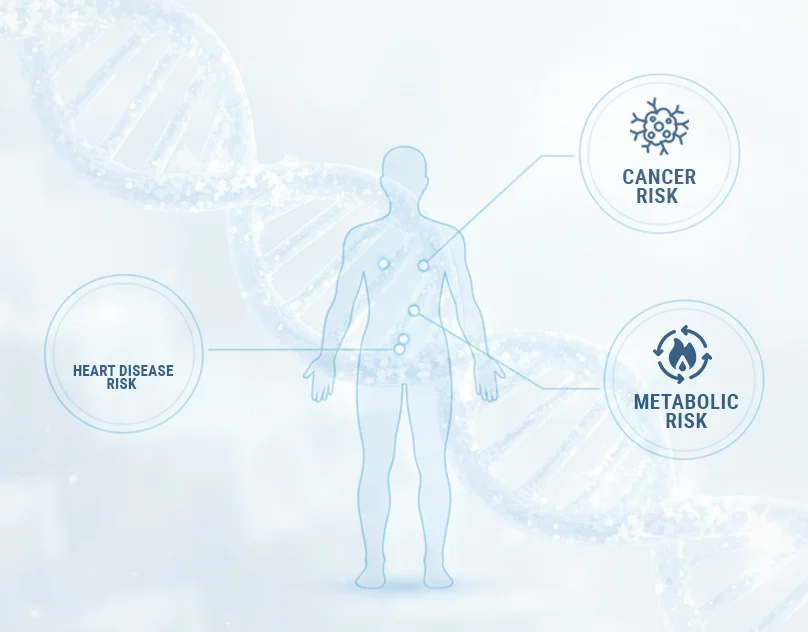
Genetic testing is most famous for predicting cancer and heart problems. Understanding these risks can lead to earlier checkups and better prevention.
Cancer Risk
Most cancers happen by chance or due to our environment. However, a significant portion is inherited. According to data from the National Cancer Institute, about 5% to 10% of all cancers are caused by harmful genetic changes passed down from parents.
The most well-known examples are the BRCA1 and BRCA2 genes. If a person has a harmful change in these genes, their risk for breast and ovarian cancer is much higher than average. Knowing this allows people to start screenings much earlier, which saves lives.
Heart Disease Risk
While diet and exercise are important, your genes also play a huge role. Genetic testing can find conditions like Familial Hypercholesterolemia (FH). This is a fancy name for “dangerously high cholesterol caused by genes.” People with FH can have heart attacks at a very young age, even if they eat healthy, unless they get the right medical help early.
Important Facts and Statistics
The world of genetic testing is growing fast because it works. Here are some key statistics:
- Growing Fast: The global genetic testing market was valued at about $9.84 billion in 2024. It is expected to grow to over $60 billion by 2033.
- Rare Diseases: 72% to 80% of rare diseases are caused by condition of genetic mutations.
- Better Accuracy: Modern tests are much better than they used to be.
- Lower Costs: In 2001, it cost millions of dollars to read a human genome. Today, high-quality tests can be done for a few hundred dollars.
The Role of Genetic Testing
Genetic testing acts as a powerful tool for preventive medicine. Instead of waiting for someone to get sick, we use genetics to stay ahead of the illness.
The role of these tests includes:
- Early Detection: Finding a problem years before symptoms appear.
- Personalized Care: Helping doctors choose the exact medicine that works best for your specific DNA.
- Family Planning: Helping parents understand the risks of passing certain conditions to their children.
- Peace of Mind: For many, a negative test result can end years of worrying about a family illness.
Lifecode: Advanced Genetic Testing
At Lifecode, we believe that your DNA should empower you, not scare you. Our team uses the latest technology to look deep into your genetic manual. We offer the Lifecode Panel Advanced Genetic Testing, which is designed to give you a clear, easy-to-read map of your health risks.
We focus on more than just “yes” or “no” answers. We provide a compassionate approach to health, helping you understand what your results mean for your daily life. Whether you are worried about your family history or just want to be proactive about your wellness, Lifecode is here to help.
You can learn more about how we can help you at lifecode.life.
Take Control of Your Health Journey
Your genes are the blueprint of who you are, but they don’t have to be a mystery. By understanding your risks today, you can make better choices for your tomorrow.
What Circadian Rhythm Genes Regulate
What Circadian Rhythm Genes Regulate What Are Circadian Rhythm Genes? The Impact of "Social Jetlag" The Role of Genetic Testing How to Support Your Internal Clock Sync...
How DNA Repair Mechanisms Impact Aging
How DNA Repair Mechanisms Impact Aging What is DNA Repair? The Role of Genetic Testing How to Support Your DNA Repair Protect Your Blueprint with Lifecode Inside...
Education: Bachelor of Pharmacy (B.Pharm) from the Tata Institute of Social Sciences (TISS), Mumbai Experience: Agarwal is a seasoned pharmacist with over 7 years of experience in the pharmaceutical field. She has worked in various settings, including hospital pharmacies and community clinics, where she has excelled in medication management, patient counseling, and clinical support. Agarwal is known for her expertise in drug therapy optimization and patient safety. In addition to her practical experience, she contributes to health journalism, focusing on pharmaceutical advancements and health policy, and is involved in research projects aimed at improving medication practices and health outcomes. is known for her expertise in drug therapy optimization and patient safety. In addition to her practical experience, she contributes to health journalism, focusing on pharmaceutical advancements and health policy, and is involved in research projects aimed at improving medication practices and health outcomes.
