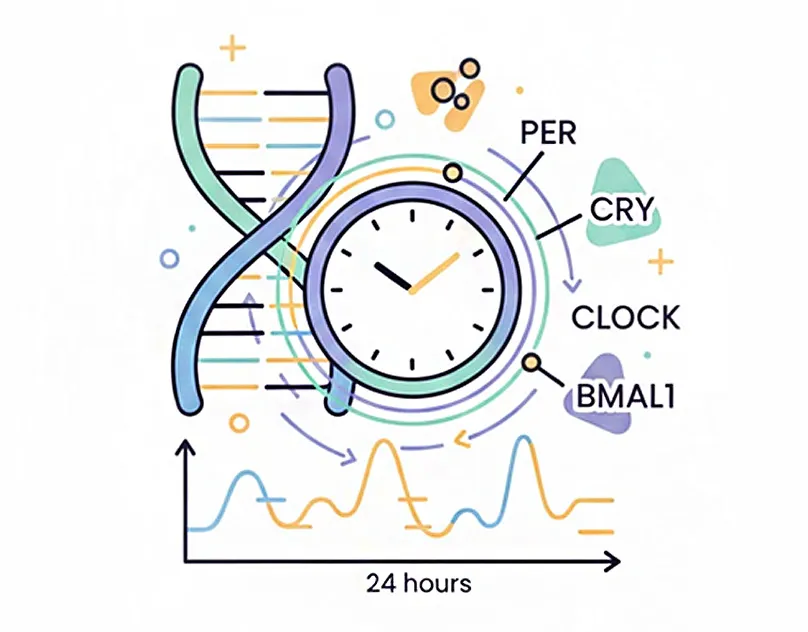
For a long time, we thought aging was simply a matter of luck or “good genes.” We looked at people who lived to 100 and assumed they were just born differently. While genetics do play a role, modern science has revealed that healthy aging is about much more than just a lucky draw.
According to the World Health Organization, healthy aging is the process of developing and maintaining the functional ability that enables wellbeing in older age. From a genetic standpoint, this means keeping your cells healthy, your DNA repaired, and your biological systems in balance.
The Blueprint of Aging
Our DNA acts as a manual for our bodies. As we age, that manual can get “dog-eared” or torn. Healthy aging, according to genetics, is the body’s ability to read that manual accurately even as time passes.
Scientists focus on a few key areas of our genetic health:
Telomere Maintenance: These are the protective caps at the end of our chromosomes. Think of them like the plastic tips on shoelaces. Longer telomeres are often linked to a longer “healthspan.”
Epigenetics: This is how your behaviors and environment affect how your genes work. Unlike your DNA sequence, epigenetic changes are reversible.
Inflammation Control: Some people are genetically prone to “inflammaging”—a state of chronic, low-grade inflammation that speeds up the aging process.
Aging Statistics and Your Health
The CDC reports that about 85% of older adults have at least one chronic health condition. However, genetics only account for about 20% to 30% of how long we live. The rest comes down to how we interact with our environment based on our genetic needs. This means that for the vast majority of us, healthy aging is an active choice we make every day.
The Role of Genetic Testing
If you want to age gracefully, you need to know what your body specifically requires. This is where genetic testing becomes your most valuable tool. You cannot change your DNA, but you can change how your genes are expressed.
Genetic testing helps you understand:
Your Biological Age: Finding out if your cells are “older” or “younger” than your birthday suggests.
Nutrient Requirements: Identifying if your genes make it harder for you to absorb Vitamin D, B12, or Omega-3s—all of which are vital for brain and heart health as you age.
Detoxification Pathways: Seeing how well your body clears out toxins that can cause cellular damage.
By analyzing your unique markers, you can stop following general health trends and start following a plan that is literally written in your DNA.
Pillars of Genetically-Informed Healthy Aging
To support your genes as you get older, focus on these three strategies:
Personalized Nutrition: Eat the foods that your specific DNA processes best to keep inflammation low.
Strategic Movement: Use strength training to protect your bones and joints, as dictated by your genetic predisposition for bone density.
Stress Recovery: Give your body the specific type of rest it needs to repair DNA damage occurred during the day.
Secure Your Future with Lifecode
Healthy aging isn’t about stopping the clock—it’s about making sure the clock works perfectly for as long as possible. At Lifecode, we provide the insights you need to navigate the aging process with confidence and clarity.
The Lifecode Panel Advanced Genetic Testing offers a comprehensive look at your genetic longevity markers. We help you understand your biological strengths and where you might need a little extra support. With Lifecode, you aren’t just getting a lab report; you are getting a personalized roadmap for a vibrant, healthy future.
Take Your Next Step Today
Healthy aging is not about following general advice. It is about understanding what your body needs based on your genetic design. The way your cells repair, how your body handles stress, and how efficiently your systems stay balanced are all influenced by your unique genetic profile. Without this insight, most decisions remain guesswork.
If you want clarity, the next step is to book your genetic consultation. This helps you understand your biological patterns, identify areas that need support, and get guidance tailored to how your body actually works.
Once you know your genetic blueprint, you can move forward with confidence and order a genetic testing kit to get a deeper, data-backed view of your aging, nutrition, and long-term health markers.
The goal is simple: stop guessing, start acting based on your DNA.