Inside every cell of your body, a silent battle is happening right now. Every single day, each one of your cells sustains between 10,000 and 100,000 DNA lesions. These are tiny “breaks” or errors in your genetic code caused by everything from the air you breathe to the sunlight on your skin.
If these errors were left alone, our bodies would fail very quickly. Thankfully, we have DNA repair mechanisms—a dedicated “maintenance crew” that finds and fixes these mistakes. However, as we get older, this crew starts to slow down. Understanding how these mechanisms impact aging the key is to unlocking better health for your future.
What is DNA Repair?
DNA is the blueprint for your entire body. When it gets damaged, the “instructions” for making proteins, regenerating skin, or fighting off illness become garbled. DNA repair is the process by which cells identify and correct this damage to maintain genomic stability.
There are several specialized ways your body fixes DNA:
Base Excision Repair (BER): Fixes small, single-base damage caused by things like oxygen.
Nucleotide Excision Repair (NER): Repairs larger damage, like the “kinks” caused by UV rays from the sun.
Double-Strand Break Repair: This is the most critical fix for when both strands of the DNA ladder are snapped.
The Connection Between DNA Damage and Aging
Aging is largely a result of unrepaired DNA damage piling up over time. According to theNational Institutes of Health (NIH), when the rate of damage exceeds the cell’s ability to repair it, several things happen:
Cellular Senescence: The cell stops dividing and enters a “zombie-like” state. These cells release inflammatory signals that damage surrounding healthy tissue.
Stem Cell Exhaustion: DNA damage in stem cells prevents them from creating new, healthy cells to replace old ones.
Mutations: Unfixed errors can lead to permanent changes in the genetic code, which is a primary driver of cancer and other age-related diseases.
Data Insight: Research shows that long-lived species, like humans and naked mole-rats, have significantly more efficient DNA repair systems than shorter-lived species like mice. Our ability to repair ourselves is a direct predictor of our lifespan.
The Role of Genetic Testing
While everyone has these repair systems, not everyone’s “maintenance crew” is equally skilled. This is where genetic testing becomes a powerful tool for your health.
Inherited Deficiencies: Some people have variations in genes like ERCC1 or WRN that make their repair pathways less efficient.
Personalized Risks: Identifying if you are more sensitive to environmental toxins or UV radiation.
Actionable Data: Knowing where your repair mechanisms are weak allows you to support them through specific lifestyle changes, such as targeted antioxidants or specialized diets.
By looking at your genetic markers, you move from a “one-size-fits-all” approach to a strategy designed specifically for your body’s unique needs.
How to Support Your DNA Repair
You can help your body’s maintenance crew work more effectively by reducing the amount of “work” they have to do:
Protective Nutrition: Foods rich in polyphenols and antioxidants help neutralize the “free radicals” that cause DNA breaks.
Smart Sun Exposure: While Vitamin D is good, excessive UV exposure is the leading cause of DNA damage in the skin.
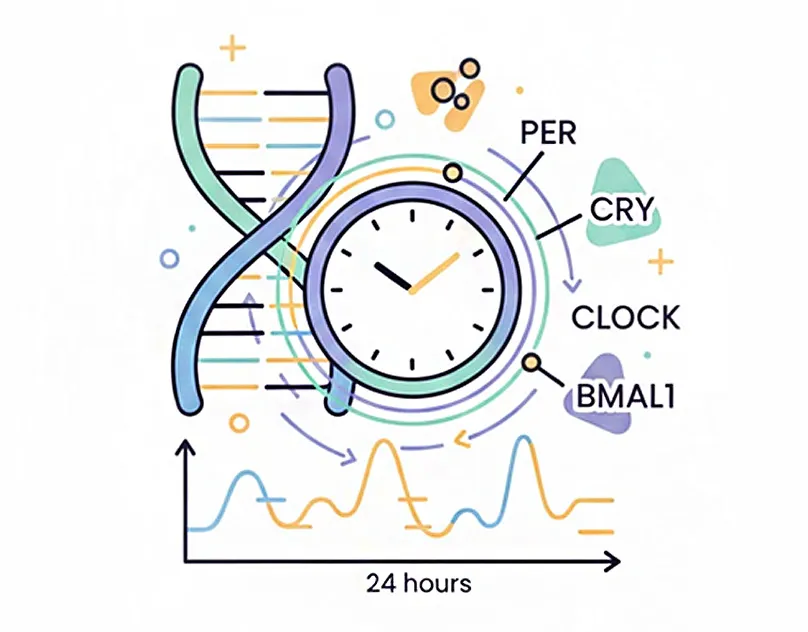
Regular Sleep: Many DNA repair processes are most active while you sleep, as the body focuses its energy on internal maintenance.
Protect Your Blueprint with Lifecode
Aging may be inevitable, but the speed at which it happens is often within your control. At Lifecode, we believe that the best defense is a good offense—and that starts with knowing your data.
The Lifecode Panel Advanced Genetic Testing provides a comprehensive look at the genes that govern your DNA repair and cellular longevity. By understanding your unique genetic landscape, you can take proactive steps to support your cells and slow the biological clock.
Take charge of your aging process:
Uncover the strengths and weaknesses of your DNA repair systems.
Receive personalized insights to bridge the gap between your health and your genetics.
Let Lifecode help you build a lifestyle that protects your body at its core.