
Gene Overview
Telomere Biology
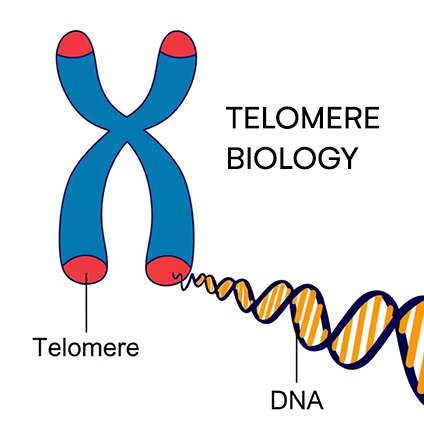
The TERT gene codes for telomerase, the enzyme that helps maintain and rebuild telomeres, the protective caps at the ends of your chromosomes. These telomeres are made of repeated DNA sequences (A, G, and T) that shield your chromosomes from damage during replication.
By capping chromosome ends, telomeres help preserve genomic stability, supporting healthy cell division and playing a key role in both longevity and cancer prevention
Why Telomere Biology Matters for Your Health
Telomere biology influences how tissues cope with repeated stress and renewal demands. Understanding it helps explain why aging progresses faster in some people despite similar lifestyles.
Aging
Supports chromosomal stability during repeated cell division
Cell Renewal
Influences how often cells can safely replicate
Stress Response
Reflects cumulative physical and biological stress
Inflammation
Associated with immune system aging and inflammation
Recovery Capacity
Affects tissue repair after injury or strain
Key Functions of Telomere Biology
- Protects chromosome ends from damage
- Regulates cellular lifespan and division limits
- Supports genomic stability
- Influences immune cell renewal
- Interacts with oxidative stress pathways
- Plays a role in aging-related cellular signaling
How Telomere Biology Variations May Influence You
This is not a diagnosis. It reflects tendencies that respond strongly to long-term habits.
Higher Maintenance Tendency
May support slower cellular aging, better tissue renewal, and stronger recovery capacity.
Average Maintenance Tendency
Typically reflects expected cellular aging patterns without clear advantage or risk.
Lower Maintenance Tendency
May benefit from stronger focus on recovery, stress control, and inflammation management.
Scientific Foundation
Science Behind Telomere Biology
Telomeres and Cellular Aging
Telomeres shorten slightly each time a cell divides. When they become too short, the cell reduces division or enters a senescent state. This process acts as a safety mechanism but contributes to aging at the tissue level.
Longevity and Population Studies
Research shows that individuals with better telomere maintenance often display healthier aging profiles. These findings reflect resilience and delayed cellular decline, not immunity to disease.
Pathway Interactions
Telomere biology interacts with DNA repair systems, oxidative stress regulation, and growth signaling pathways that balance regeneration and protection.
How Lifestyle Influences Telomere Biology
Genes set the framework, but telomere dynamics respond to long-term behavior.
Nutrition
Consistent, balanced intake supports cellular maintenance.
Sleep
Adequate sleep supports DNA repair and replication accuracy.
Stress
Chronic stress accelerates telomere shortening. Recovery-focused routines reduce this effect.
Movement
Regular, moderate activity supports healthy cellular turnover.
Habits
Sustained routines matter more than short-term interventions.
Signs You May Benefit From Understanding Telomere Biology
How Lifecode Interprets Telomere Biology in Your Report
Lifecode evaluates telomere-related genetic markers alongside stress, repair, and inflammation pathways. Results are interpreted in context, not isolation, to identify patterns in cellular aging, recovery capacity, and long-term resilience. Recommendations are prioritized based on your overall genetic profile.
Lifestyle Guidance
Practical Recommendations
These are general lifestyle considerations, not medical advice.
Nutrition
Avoid repeated cycles of extreme restriction.
Recovery
Build daily recovery into routine, not as an afterthought.
Stress Management
Minimize chronic stress and incorporate regular stress-relief practices.
Supplements
General cellular support may be discussed during consultation.
Daily Habits
Consistency outweighs intensity over time.
FAQ
Frequently Asked Questions
Telomeres are protective caps on chromosome ends that shorten with each cell division. They influence how your tissues age, recover, and maintain health over time.
Yes. Sleep, balanced nutrition, stress management, and regular activity support telomere maintenance. Chronic stress and extreme dieting accelerate shortening.
TERT determines how well you produce telomerase, which rebuilds telomeres. Variations create different maintenance tendencies—some people naturally maintain better, others benefit more from prioritizing recovery and stress control.
Speak to a Lifecode Consultant
“Understanding Telomere helps you focus on resilience and recovery rather than chasing quick fixes.”
