
Gene Overview
PCSK9 (Proprotein Convertase Subtilisin/Kexin Type 9)
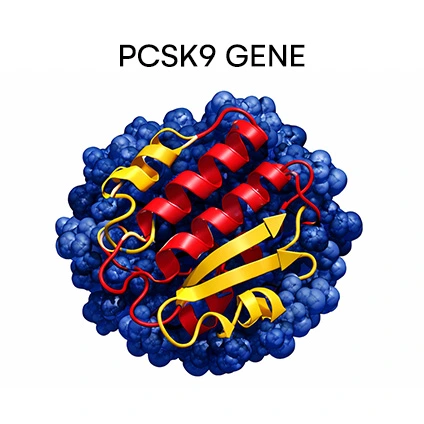
The PCSK9 gene encodes a protein called proprotein convertase subtilisin/kexin type 9 (PCSK9). This gene provides instructions for producing a protein that regulates low-density lipoprotein (LDL) receptors in the liver. These receptors remove LDL cholesterol from the bloodstream. PCSK9 controls how many LDL receptors remain active. When PCSK9 activity increases, fewer receptors are available, and LDL cholesterol levels may rise. When activity decreases, LDL clearance may improve.
PCSK9 does not determine cardiovascular risk alone. Variations influence cholesterol regulation efficiency over time and interact with diet, inflammation, and metabolic health.
Why PCSK9 Matters for Your Health
PCSK9 plays a central role in cholesterol balance and long-term cardiovascular regulation. Understanding this pathway helps explain differences in LDL levels and response to dietary or medical strategies.
Cholesterol Regulation
Controls how efficiently LDL cholesterol is cleared from blood
Cardiovascular Risk Modulation
Influences long-term arterial exposure to circulating LDL
Liver Function Coordination
Supports hepatic cholesterol processing by modulating receptor availability and LDL uptake
Lipid Balance
Supports overall lipid transport equilibrium
Metabolic Interaction
Interfaces with inflammation and metabolic pathways
Key Functions of PCSK9
- Regulates LDL receptor degradation
- Modulates circulating LDL cholesterol levels
- Influences lipid homeostasis
- Supports hepatic cholesterol processing
- Interacts with inflammatory signaling pathways
- Contributes to long-term cardiovascular balance
How PCSK9 Variations May Influence You
This is not a diagnosis. It reflects tendencies shaped over time.
Lower Activity Pattern
May support enhanced LDL clearance and naturally lower cholesterol levels.
Typical Activity Pattern
Usually reflects expected cholesterol regulation within standard ranges.
Higher Activity Pattern
May contribute to elevated LDL levels and benefit from structured cardiovascular-focused lifestyle habits.
Scientific Foundation
Science Behind the PCSK9 Gene
LDL Receptor Regulation
PCSK9 binds to LDL receptors and directs them toward degradation rather than recycling. Fewer receptors reduce the liver’s ability to remove LDL cholesterol from circulation.
Cardiovascular Research Links
Genetic studies associate certain PCSK9 variants with lifelong differences in LDL cholesterol and cardiovascular risk patterns. These effects interact with diet, activity, and other metabolic genes.
Pathway Integration
PCSK9 interacts with lipid metabolism, inflammatory pathways, and liver regulatory systems, helping adjust LDL cholesterol clearance according to the body’s needs
How Lifestyle Influences PCSK9 Expression
Genetic baseline exists, but cholesterol regulation remains strongly influenced by environment
Nutrition
Dietary fat quality and fiber intake influence LDL levels.
Sleep
Consistent sleep supports metabolic and inflammatory balance.
Stress
Chronic stress may affect lipid metabolism indirectly.
Movement
Regular activity improves overall lipid profile regulation.
Habits
Long-term cardiovascular-supportive routines are more effective than short-term interventions.
Signs You May Benefit From Understanding PCSK9
How Lifecode Interprets PCSK9 in Your Report
Lifecode evaluates PCSK9 alongside lipid transport, inflammation, and cardiovascular resilience pathways. Interpretation focuses on patterns influencing LDL clearance efficiency and long-term arterial health. Insights are contextualized within your full genetic and metabolic profile rather than isolated gene impact.
Lifestyle Guidance
Practical Recommendations
These are general lifestyle considerations, not medical advice.
Nutrition
Emphasize fiber-rich, balanced dietary patterns that support lipid balance.
Recovery
Prioritize sleep to maintain metabolic regulation.
Stress Management
Reduce chronic inflammatory stressors.
Movement
Engage in consistent aerobic and resistance activity.
Daily Habits
Sustainable cardiovascular routines support long-term cholesterol balance.
FAQ
Frequently Asked Questions
PCSK9 regulates LDL receptors in the liver, controlling how efficiently LDL cholesterol is cleared from the bloodstream, influencing overall cardiovascular health.
Higher PCSK9 activity reduces LDL receptors, raising cholesterol levels. Lower activity enhances LDL clearance, potentially supporting healthier cardiovascular balance over time.
Yes. Nutrition, sleep, stress management, and regular movement all influence cholesterol regulation, helping offset higher PCSK9 activity patterns through consistent healthy habits.
Speak to a Lifecode Consultant
“Understanding PCSK9 helps you focus on resilience and recovery rather than chasing quick fixes.”
