
Gene Overview
LPL (Lipoprotein Lipase)
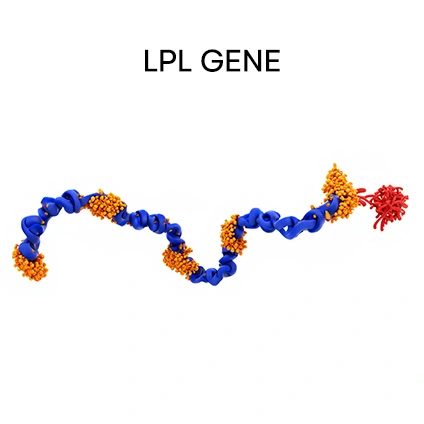
The LPL gene is located on chromosome 8. The LPL gene provides instructions for producing lipoprotein lipase, an enzyme that is primarily found on the surface of cells lining small blood vessels (capillaries) within muscles and fatty tissue. This enzyme helps break down triglycerides found in circulating lipoproteins. This process allows fatty acids to be released and used by tissues for energy or storage.
LPL does not determine metabolic health alone. It influences how efficiently the body clears triglycerides from the bloodstream and distributes fats to muscles and fat tissue. Variations in this gene may shape long-term patterns in lipid metabolism, energy use, and cardiovascular health.
Why LPL Matters for Your Health
LPL plays a central role in triglyceride metabolism and energy distribution. Understanding this pathway helps explain differences in blood lipid patterns and how the body processes dietary fats.
Triglyceride Processing
Helps break down triglycerides from circulating lipoproteins
Energy Utilization
Releases fatty acids that muscles can use for energy
Lipid Balance
Supports the clearance of triglyceride-rich particles
Cardiovascular Regulation
Influences long-term exposure to circulating triglycerides
Metabolic Coordination
Connects fat metabolism with overall energy demand
Key Functions of LPL
- Breaks down triglycerides in lipoproteins
- Releases fatty acids for tissue energy use
- Supports lipid clearance from circulation
- Influences the ratio between HDL and triglyceride balance
- Coordinates fat storage and energy supply
- Contributes to metabolic energy distribution
How LPL Variations May Influence You
This is not a diagnosis. It reflects tendencies shaped over time.
Higher Enzyme Efficiency Pattern
May support effective triglyceride clearance and balanced lipid metabolism.
Typical Enzyme Efficiency Pattern
Usually reflects expected fat metabolism and triglyceride regulation.
Lower Enzyme Efficiency Pattern
May experience slower triglyceride clearance and benefit from stronger cardiovascular-supportive habits.
Scientific Foundation
Science Behind the LPL Gene
Triglyceride Breakdown Mechanism
Lipoprotein lipase attaches to the walls of blood vessels and hydrolyzes triglycerides carried by chylomicrons and very-low-density lipoproteins (VLDL). This releases fatty acids that can be used for energy or stored in adipose tissue.
Metabolic and Cardiovascular Research
Studies associate LPL variants with differences in triglyceride levels, HDL balance, and metabolic risk patterns. These effects depend on interactions with diet, activity, and overall metabolic health.
Pathway Integration
LPL functions alongside lipid transport systems, insulin signaling, and energy metabolism pathways, helping maintain lipid homeostasis across tissues.
How Lifestyle Influences LPL Activity
Genetic baseline exists, but lipid metabolism remains highly responsive to behavior.
Nutrition
Dietary fat and carbohydrate patterns influence triglyceride balance.
Sleep
Adequate sleep supports metabolic regulation.
Stress
Chronic stress may disrupt lipid metabolism through hormonal pathways.
Movement
Regular physical activity increases LPL activity in muscle tissue.
Habits
Consistent lifestyle routines support long-term lipid stability.
Signs You May Benefit From Understanding LPL
How Lifecode Interprets LPL in Your Report
Lifecode evaluates LPL alongside triglyceride metabolism, lipid transport, and cardiovascular resilience pathways. Interpretation focuses on patterns influencing triglyceride clearance efficiency and long-term metabolic balance. Insights are integrated within the broader cardiometabolic genetic framework rather than a single gene outcome.
Lifestyle Guidance
Practical Recommendations
These are general lifestyle considerations, not medical advice.
Nutrition
Focus on balanced dietary patterns that support triglyceride control.
Recovery
Maintain consistent sleep to support metabolic stability.
Stress Management
Reduce chronic stress that may negatively affect lipid metabolism.
Movement
Regular aerobic and resistance activity supports triglyceride clearance.
Daily Habits
Stable routines strengthen long-term metabolic regulation.
FAQ
Frequently Asked Questions
The LPL gene produces lipoprotein lipase, an enzyme that breaks down triglycerides in the bloodstream, releasing fatty acids for energy use or storage in muscles and fat tissue.
Variations in the LPL gene can influence how efficiently your body clears triglycerides from the blood, which may affect your lipid balance, energy metabolism, and long-term cardiovascular health.
Yes. Regular physical activity, balanced nutrition, adequate sleep, and stress management can positively influence LPL enzyme activity, supporting better triglyceride clearance regardless of your genetic pattern.
Speak to a Lifecode Consultant
“Understanding LPL helps you focus on resilience and recovery rather than chasing quick fixes.”
