
Gene Overview
APOE (Apolipoprotein E)
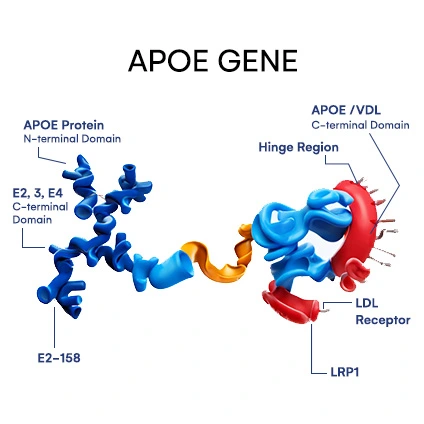
The APOE gene is located on chromosome 19. It is primarily expressed in the liver and the brain, but can also be found in other tissues such as adrenal glands, macrophages, and kidneys. The APOE gene provides instructions for producing apolipoprotein E, a protein involved in transporting cholesterol and other lipids throughout the body. It plays a key role in lipid metabolism, brain health, and cellular repair.
APOE does not determine disease outcomes on its own. It influences how efficiently the body processes fats and how the brain manages lipid transport and repair mechanisms. Different APOE variants may shape long-term patterns in cardiovascular regulation and cognitive resilience. Effects develop gradually and interact with lifestyle, age, and overall metabolic health.
Why APOE Matters for Your Health
APOE sits at the intersection of lipid transport, vascular balance, and neurological maintenance. Understanding. This pathway helps explain differences in cholesterol handling and long-term brain health patterns. Understanding your APOE type can help personalize strategies for cholesterol management and cognitive health over time.
Cholesterol Transport
Helps move lipids between cells and tissues
Cardiovascular Regulation
Influences long-term lipid balance in blood vessels
Brain Maintenance
Supports neuronal repair and membrane stability
Inflammation Response
Modulates inflammatory signaling in vascular and neural tissue
Cellular Repair
Contributes to recovery after cellular stress
Key Functions of APOE
- Transports cholesterol and lipids in the bloodstream
- Supports neuronal membrane repair
- Modulates cholesterol availability in the brain during aging or stress
- Influences inflammatory signaling balance
- Contributes to long-term vascular integrity
- Participates in brain lipid redistribution during stress
How APOE Variations May Influence You
This is not a diagnosis. It reflects tendencies shaped over time.
Variant Pattern Associated With Efficient Lipid Handling
May support stable cholesterol transport and balanced vascular function.
Typical Variant Pattern
Usually reflects expected lipid and neurological regulation without strong deviation.
Variant Pattern Linked to Higher Lipid Sensitivity
May show increased sensitivity to dietary fat composition and benefit from structured cardiovascular and cognitive-supportive habits.
Scientific Foundation
Science Behind the APOE Gene
Lipid Transport Mechanism
Apolipoprotein E binds to lipids and interacts with cellular receptors to facilitate transport and clearance. Efficient signaling supports balanced cholesterol recycling and vascular stability. Inefficient APOE signaling can contribute to higher LDL cholesterol and altered lipid handling in the brain, potentially affecting long-term cardiovascular and cognitive outcomes.
Cardiovascular and Cognitive Research
Certain APOE variants are associated with long-term differences in lipid levels and cognitive aging patterns. These relationships are probabilistic, not deterministic, and strongly influenced by lifestyle and environment.
Pathway Integration
APOE interfaces with inflammatory pathways, oxidative stress regulation, and metabolic systems, coordinating lipid transport with cellular repair needs.
How Lifestyle Influences APOE Expression
Genetic baseline exists, but environmental input remains significant.
Nutrition
Diet quality influences lipid transport efficiency and vascular balance.
Sleep
Consistent sleep supports brain repair processes.
Stress
Chronic stress may increase inflammatory burden affecting vascular health.
Movement
Regular physical activity supports cardiovascular and cognitive resilience.
Habits
Long-term consistency strengthens protective metabolic patterns.
Signs You May Benefit From Understanding APOE
How Lifecode Interprets APOE in Your Report
Lifecode evaluates APOE alongside lipid metabolism, inflammation, and neuroprotection pathways. Interpretation focuses on patterns influencing cholesterol transport efficiency and long-term vascular and cognitive resilience.
Insights are interpreted in the context of your full genetic and metabolic profile, rather than focusing on any single APOE variant.
Lifestyle Guidance
Practical Recommendations
These are general lifestyle considerations, not medical advice.
Nutrition
Prioritize balanced dietary patterns that support lipid regulation.
Recovery
Protect sleep to support neurological maintenance.
Stress Management
Reduce chronic inflammatory stressors.
Movement
Engage in consistent aerobic and strength-based activity.
Daily Habits
Stability in routine supports long-term vascular and cognitive health.
FAQ
Frequently Asked Questions
The APOE gene produces a protein that helps transport cholesterol and other lipids in the bloodstream and brain, supporting lipid balance, vascular health, and neuronal repair.
No. APOE variants influence lipid handling and brain metabolism, but disease risk depends on multiple factors including lifestyle, age, environment, and overall metabolic health.
APOE helps explain how the body manages cholesterol and brain lipid transport. Understanding your APOE profile may guide lifestyle choices supporting cardiovascular and cognitive health.
Speak to a Lifecode Consultant
“Understanding APOE helps you focus on resilience and recovery rather than chasing quick fixes.”
