
Gene Overview
ADIPOQ (Adiponectin)
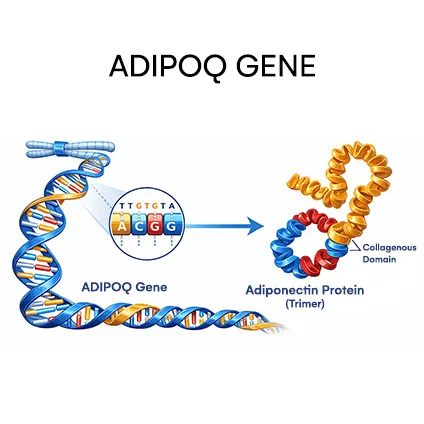
The ADIPOQ gene is located on chromosome 3 at position 3q27 and it is primarily expressed in adipose tissue. The ADIPOQ gene provides instructions for producing adiponectin, a hormone released by fat tissue that helps regulate glucose control, fat metabolism, and inflammation.
ADIPOQ does not determine metabolic health on its own. It influences how efficiently the body uses energy, manages blood sugar, and maintains metabolic flexibility.
Variations may affect adiponectin levels, shaping insulin sensitivity and cardiovascular risk patterns over time. When signaling is less efficient, the body may show reduced metabolic responsiveness despite similar lifestyle inputs.
Why ADIPOQ Matters for Your Health
Adiponectin connects fat tissue with metabolic and cardiovascular systems. Understanding this pathway helps explain differences in insulin sensitivity, inflammation patterns, and long-term metabolic resilience.
Glucose Regulation
Supports how cells respond to insulin and manage blood sugar
Fat Metabolism
Encourages efficient use of stored fat as energy
Inflammation Control
Helps balance inflammatory signals linked to metabolic health
Cardiovascular Support
Associated with vascular protection and lipid balance
Energy Stability
Influences how consistently the body manages energy supply
Key Functions of ADIPOQ
- Enhances insulin sensitivity
- Promotes fatty acid oxidation
- Supports anti-inflammatory signaling
- Regulates metabolic flexibility
- Influences lipid metabolism
- Contributes to cardiovascular protection mechanisms
How ADIPOQ Variations May Influence You
This is not a diagnosis. It reflects tendencies shaped over time.
Higher Activity Pattern
May support efficient glucose handling, stable energy use, and lower inflammatory burden.
Typical Activity Pattern
Usually reflects expected metabolic regulation without pronounced advantage or limitation.
Lower Activity Pattern
May experience be associated with reduced insulin sensitivity, slower fat utilization, or greater sensitivity to lifestyle imbalance, benefiting consistency in habits.
Scientific Foundation
Science Behind the ADIPOQ Gene
Hormone Signaling and Metabolism
Adiponectin acts on muscle and liver tissue to increase glucose uptake and improve fat breakdown. It supports energy use without increasing energy intake signals.
Metabolic Risk Associations
Research links lower adiponectin levels with insulin resistance, type 2 diabetes risk, and cardiovascular changes. These relationships reflect complex interactions between genetics, body composition, and lifestyle.
Pathway Integration
ADIPOQ interacts with nutrient sensing pathways, inflammatory signaling, and mitochondrial energy processes, adjusting metabolic output based on energy availability.
How Lifestyle Influences ADIPOQ Function
Genetic baseline exists, but expression responds strongly to behavior.
Nutrition
Balanced dietary patterns support adiponectin activity and metabolic balance.
Sleep
Consistent sleep helps maintain hormone regulation.
Stress
Chronic stress may reduce metabolic efficiency and impair hormone signaling.
Movement
Regular physical activity is associated with improved adiponectin levels.
Habits
Long-term routine supports metabolic stability more than short interventions.
Signs You May Benefit From Understanding ADIPOQ
How Lifecode Interprets ADIPOQ in Your Report
Lifecode evaluates ADIPOQ alongside insulin, inflammation, and energy pathways. Interpretation focuses on patterns affecting metabolic flexibility, glucose regulation, and long-term cardiometabolic resilience. Insights are considered within the broader genetic context rather than a single gene outcome.
Lifestyle Guidance
Practical Recommendations
These are general lifestyle considerations, not medical advice.
Nutrition
Focus on consistent eating patterns that support stable blood sugar levels.
Recovery
Prioritize sleep to maintain hormone coordination.
Stress Management
Reduce chronic metabolic strain through sustainable routines.
Movement
Regular activity supports adiponectin responsiveness.
Daily Habits
Stability in routine supports long-term metabolic signaling.
FAQ
Frequently Asked Questions
The ADIPOQ gene produces adiponectin, a hormone that regulates blood sugar, fat metabolism, and inflammation to support overall metabolic health.
Variations may lower adiponectin levels, reducing insulin sensitivity and metabolic efficiency, which can increase long-term cardiovascular and blood sugar health risks.
Yes. Regular exercise, balanced nutrition, quality sleep, and stress management can positively influence adiponectin levels and support better metabolic gene expression.
Speak to a Lifecode Consultant
“Understanding ADIPOQ helps you focus on resilience and recovery rather than chasing quick fixes.”
