





What Genetic Predisposition Means ?
- Understanding Genetic Predisposition
- Genetic Predisposition Is Not a Diagnosis
- Genetic Predisposition vs Genetic Disorders
- Common Conditions Linked to Genetic Predisposition
- How Lifestyle Influences Genetic Risk
- Environmental Factors and Genetic Expression
- Emotional Impact of Learning About Genetic Risk
- The Role of Genetic Testing
- What Genetic Testing Can Help With
- What Genetic Testing Cannot Predict
- Why Preventive Genetic Knowledge Matters
- Family Health and Genetic Awareness
- How LifeCode Supports Genetic Understanding
- Take Control with LifeCode Advanced Genetic Testing
Many people do notice that specific health issues will appear again within families. One might see parents, siblings, or grandparents who are dealing with similar sets of medical conditions like diabetes, heart disease, or anxiety issues. Such a pattern might usually lead to an important question. This is commonly trusted to be health shaped by genes alone, or do lifestyle choices matter just as much? The answer to this one lies in understanding what genetic predisposition means.
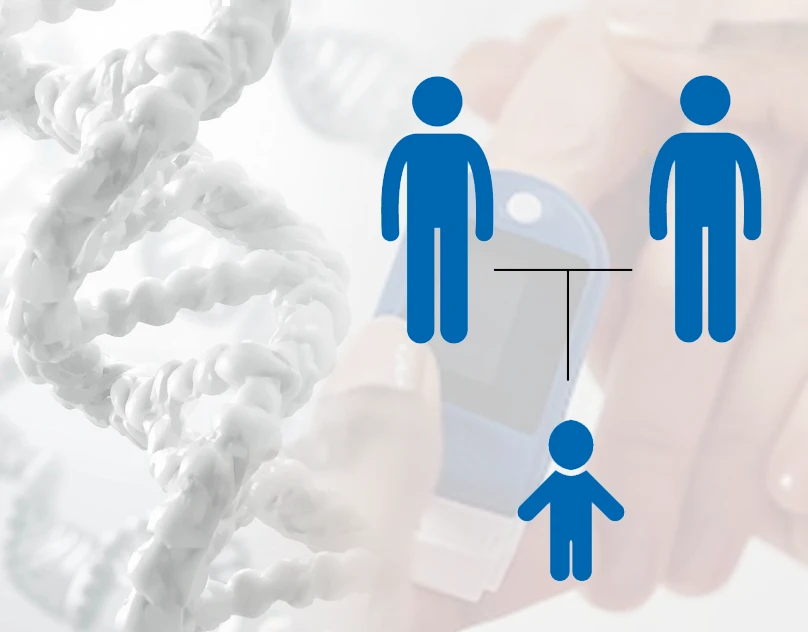
Genetic predisposition does not mean a person shall develop some sort of condition. Instead, it means that a person may have a higher chance of developing an issue because of their inherited genes. Knowing genetic predisposition can eventually help those individuals to make several informed health decisions early in life, long before some of the symptoms shall even appear.
Understanding Genetic Predisposition
Genetic predisposition is an issue that refers to an enhanced likelihood of evolving a specific issue that is well based on a person’s genetic makeup. As per Wikipedia, genetic predisposition is defined being an enhanced risk of a disease which can eventually result from the presence of certain genetic variants. Such variants shall influence how the body functions but do not directly cause disease on their own.
Genes are known to be small units of information passed from parents to children. They might guide us as to how the body grows, repairs itself, and responds to the environment. Some of the genes may slightly affect how the body handles sugar, fat, stress, or inflammation. When such genetic traits might combine lifestyle or environmental factors, they can enhance the risk of certain health conditions.
Genetic Predisposition Is Not a Diagnosis
One of the most important things one shall understand is that genetic predisposition is not the same as a diagnosis. Having a genetic risk might not mean illness is unavoidable. It simply means that the body might respond differently under certain conditions.
For example, two people shall eat similar diets, but only one might develop the condition of high cholesterol. Genetics might explain why. The person with a genetic predisposition might need earlier lifestyle alterations to stay healthy. This results that genes influence risk, but they do not determine outcomes on their own.
Genetic Predisposition vs Genetic Disorders
There is often confusion between genetic predisposition and genetic disorders. Know that genetic disorders are caused by some of the specific gene mutations, and they are present right from birth. Conditions like cystic fibrosis or Huntington’s disease fall into this category.
Genetic predisposition, on the other hand, is a condition that involves multiple genes and outside factors. As per Wikipedia, many common illnesses are considered complex diseases, meaning they develop due to a mix of genetic and environmental influences.
Most people who carry genetic predispositions never develop related conditions, especially when healthy habits are in place.
Common Conditions Linked to Genetic Predisposition
Research has all shown that genetic predisposition is known to play a role in many common health issues. Such conditions include heart disease, type 2 diabetes, obesity, high blood pressure, asthma, autoimmune disorders, and certain cancers like breast and colorectal cancer. Mental health issues like depression and anxiety might also have some genetic components.
Studies have all suggested that genetics may account for about 30 to 50 percent of the risk for many chronic diseases, while lifestyle and environment account for the rest. Such highlights numbers show as to how powerful daily habits can be in shaping long-term health.
How Lifestyle Influences Genetic Risk
Lifestyle choices can either enhance or lower the impact of genetic predisposition. Factors like diet, physical activity, sleep quality, stress management, and exposure to toxins all play important roles.
For instance, someone with a genetic tendency toward insulin resistance might significantly lower their risk of diabetes through some balanced nutrition and regular exercise. Similarly, a person with a family history of heart disease might lower their risk by sustaining healthy cholesterol levels, managing stress, and avoiding the act of smoking.
This interaction between genes and lifestyle explains why genetic predisposition should be viewed as an opportunity so as to prevent rather than a cause for fear.
Environmental Factors and Genetic Expression
The environment also affects how genes should behave. Such a process is known as gene expression. Environmental factors like chronic stress, pollution, poor sleep, and processed foods can enhance the risk of disease, especially in people with genetic vulnerability.
According to Wikipedia, epigenetics studies how environmental factors can turn genes on or off without changing the DNA sequence itself.
This also means that even if someone who might carry a genetic risk, healthy surroundings and behaviours can lower those things that can strongly risk shows up.
Emotional Impact of Learning About Genetic Risk
Learning about some of the genetic predispositions can eventually get those mixed emotions. Some people shall feel completely relieved to understand their health better, while others may feel worried or overwhelmed. Such feelings are just so normal.
That is why education and professional guidance are needed. Genetic information should always be explained with care and compassion. This occurs when focusing on what can be done to support health rather than creating fear about the future.
The Role of Genetic Testing
Genetic testing can all play an important role in understanding genetic predisposition. It helps in allowing individuals to learn about their genetic traits before health problems develop.
Genetic testing examines DNA to identify variations associated with mentioned health risks. Most modern tests use a simple cheek swab, while making the process easy and non-invasive. As per Wikipedia, genetic testing can help identify changes in genes or chromosomes that may influence health outcomes.
What Genetic Testing Can Help With
Genetic testing offers insights into how the body shall process nutrients, which can respond to exercise, manage stress, and handling inflammation. This can also identify some of the enhanced risks for chronic conditions, which can help individuals focus on prevention.
Such insights can help in supporting personalized health planning. Instead of this following general advice, people can make choices based on how their bodies are genetically designed to function.
What Genetic Testing Cannot Predict
It is important to simply understand some of the limits of genetic testing. Test outcomes might not predict any of the exact outcomes and shall not diagnose conditions. They can simply highlight areas where extra care or monitoring can be helpful.
Genetic testing can work best when it is combined with professional guidance, healthy lifestyle habits, and regular medical care.
Why Preventive Genetic Knowledge Matters
Preventive healthcare is becoming increasingly important worldwide. Early awareness of genetic predisposition allows individuals to act sooner, often reducing long-term health risks and healthcare costs. Public health data suggests that many chronic diseases are preventable through early lifestyle changes. Genetic insights can guide those changes more effectively, making prevention more personalized and achievable.
Family Health and Genetic Awareness
Understanding genetic predisposition can benefit not only individuals but also families. When people learn about shared genetic risks, families can adopt healthier habits together and support one another in preventive care.
Genetic awareness can also help guide conversations with healthcare providers about appropriate screenings and long-term health planning.
How LifeCode Supports Genetic Understanding
LifeCode is dedicated to helping individuals understand their genetic blueprint in a clear, responsible, and empowering way. By combining scientific accuracy with compassionate guidance, LifeCode helps turn genetic information into meaningful health action.
Learn more about LifeCode’s approach to genetic wellness at https://lifecode.life
Take Control with LifeCode Advanced Genetic Testing
Your genes provide valuable information, but knowledge is only powerful when it is used wisely. LifeCode’s Advanced Genetic Testing Panel is designed to help you understand your genetic predispositions and take control of your long-term health.
You can take the next step by choosing to book a genetic consultation with trained professionals who can explain your results clearly and support informed decisions. You may also choose to order an at-home genetic testing kit, which uses a simple swab test for convenience and comfort.
Discover how your genetics can guide smarter health choices with LifeCode. Visit https://lifecode.life today and begin your journey toward personalized, preventive healthcare.

What Longevity Genetics Means
What Whole Genome Sequencing Is Understanding the Human Genome What Is Whole Genome Sequencing? How Whole Genome Sequencing Works Whole Genome Sequencing vs Other Genetic Tests Why...


What Whole Genome Sequencing Is
What Whole Genome Sequencing Is Understanding the Human Genome What Is Whole Genome Sequencing? How Whole Genome Sequencing Works Whole Genome Sequencing vs Other Genetic Tests Why...

Education: Bachelor of Pharmacy (B.Pharm) from the Tata Institute of Social Sciences (TISS), Mumbai Experience: Agarwal is a seasoned pharmacist with over 7 years of experience in the pharmaceutical field. She has worked in various settings, including hospital pharmacies and community clinics, where she has excelled in medication management, patient counseling, and clinical support. Agarwal is known for her expertise in drug therapy optimization and patient safety. In addition to her practical experience, she contributes to health journalism, focusing on pharmaceutical advancements and health policy, and is involved in research projects aimed at improving medication practices and health outcomes. is known for her expertise in drug therapy optimization and patient safety. In addition to her practical experience, she contributes to health journalism, focusing on pharmaceutical advancements and health policy, and is involved in research projects aimed at improving medication practices and health outcomes.


