



What Gene Pathways Mean In Human Biology
What Gene Pathways Mean In Human Biology mob

What Gene Pathways Mean in Human Biology

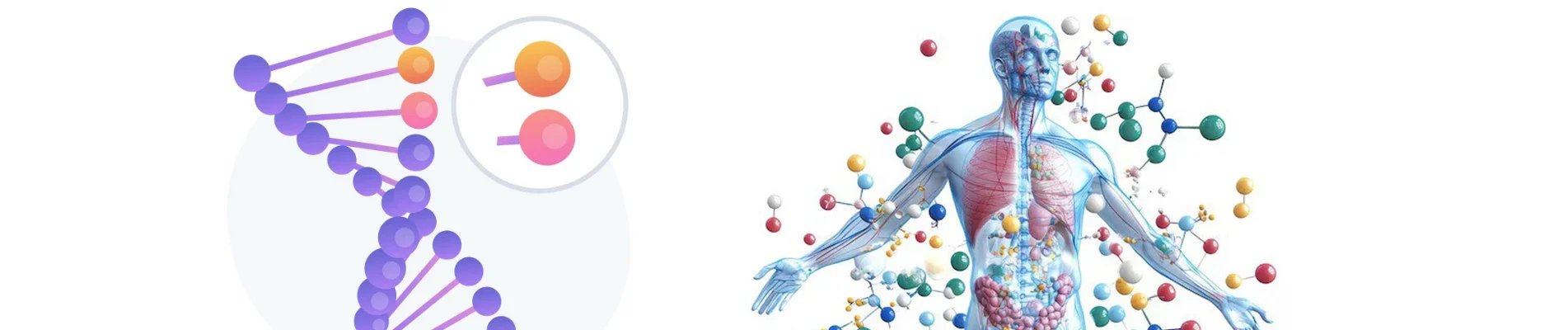
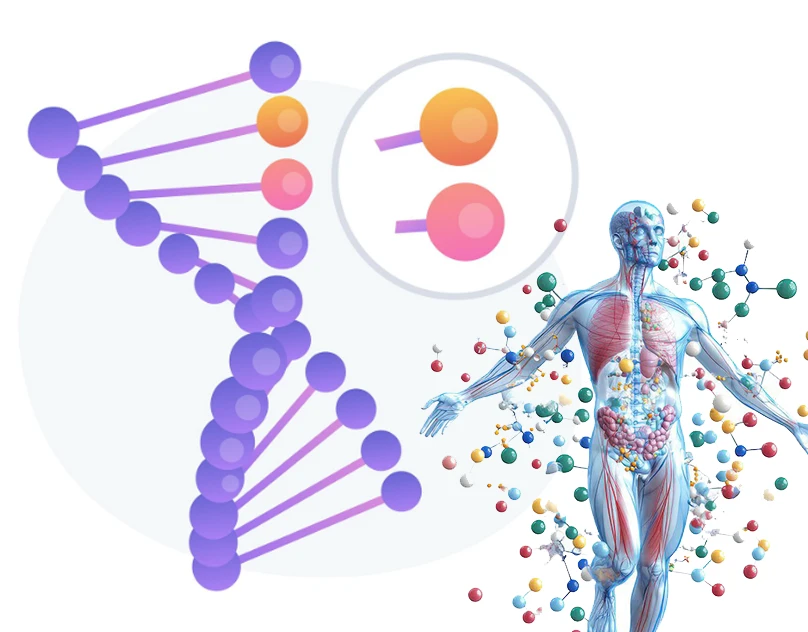
Genes rarely work alone. Inside the body, they operate as connected systems, switching on and off together to carry out specific jobs. These systems are called gene pathways. Understanding them helps explain why your body reacts the way it does, not just what your genes say. This is where real foresight begins. 

A gene pathway is a group of genes that work together to control a biological process. Each gene plays a small role, but together they guide how cells grow, repair, defend, or produce energy. 

Think of a pathway like a relay team. One gene passes a signal to the next. If one runner slows down, the whole process changes. The pathway still works, but not always in the most efficient way. 

Looking at a single gene is like reading one sentence from a book. Gene pathways give you the full chapter. 

Most health traits, such as metabolism, inflammation, stress response, or detox ability, are shaped by many genes acting together. A small change in several genes can matter more than a big change in just one. 

This is why pathway analysis gives deeper insight into long-term health tendencies. 

Gene pathways guide many core functions, including: 

  • How your body handles sugar and fats 
  • How fast do you recover after stress or illness 
  • How your immune system responds to threats 
  • How efficiently cells repair damage 
  • How hormones send signals 

These processes run quietly in the background every day. You may not feel them directly, but they shape energy levels, resilience, and aging over time. 

A pathway does not predict disease. It shows tendency, not destiny. 

If a pathway linked to inflammation is more active, your body may respond strongly to stressors. If a detox pathway is slower, your system may take longer to clear certain substances. 

Knowing this early allows for smarter lifestyle choices. That is foresight into action. 

Gene pathways are sensitive to your environment. Sleep, diet, movement, stress, and exposure all affect how pathways behave. 

A pathway that looks less efficient on paper can often function better with the right habits. Genes load the plan, but lifestyle helps run the system. 

This is why pathway insights are meant to guide action, not create worry.

Pathway information helps answer practical questions, such as: 

  • Why two people react differently to the same food 
  • Why does recovery time vary after similar effort 
  • Why stress feels heavier for some than others 

Instead of focusing on labels, pathway analysis focuses on balance, support, and long-term health direction. 

When you understand which pathways need support, you can act with clarity. This may include changes in nutrition, exercise style, sleep routines, or stress management. 

The goal is not correct. It is an alignment. 

Gene pathways help you work with your biology instead of against it. 

January 9, 2026 Uncategorized