





How To Read Risk Categories

How to Read Risk Categories

Seeing risk categories in a genetic report can feel confusing at first. Words like low, moderate, or high may sound final, but they are not predictions. Risk categories are tools for understanding tendencies, not guarantees. When read correctly, they support foresight, not fear. 

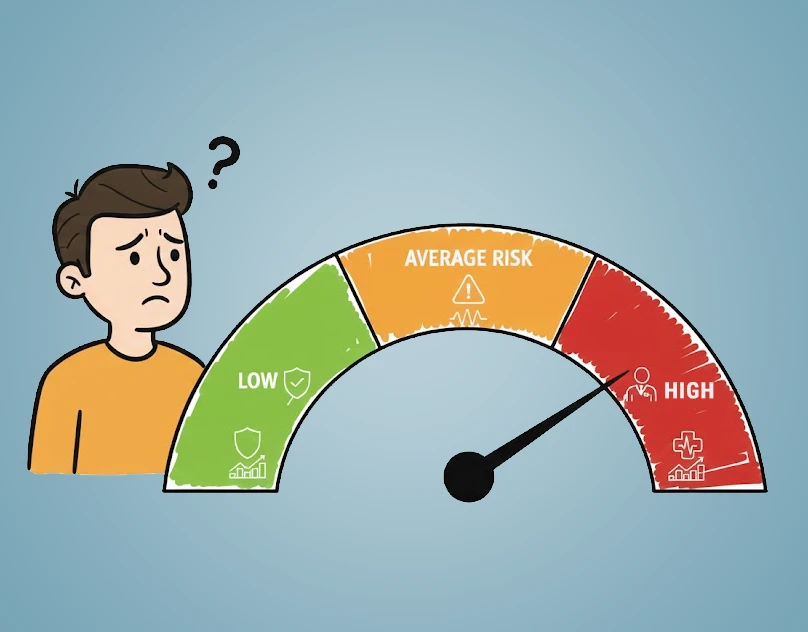
Risk categories show how your genetic data compares to a reference population. They reflect patterns found across many people, not a personal diagnosis. 

These categories indicate how likely a biological pathway may behave in certain ways over time. They do not say that something will happen. They simply highlight where attention may be helpful. 

Most reports use simple groupings such as: 

  • Low risk 

    Your genetic pattern aligns with typical function. No special action is usually needed beyond healthy habits. 
  • Moderate risk 

    Some variations may slightly influence how a pathway works. Awareness and small adjustments can be helpful. 
  • High risk 

    Variations suggest the pathway may need more support. This is a signal for proactive care, not alarm. 

Each category exists to guide decisions, not to label health. 

Biology is not binary. Risk is measured on a spectrum because genes interact with each other and with your environment. 

Two people with the same risk category may experience very different outcomes. Lifestyle, nutrition, sleep, stress, and movement all influence how genetic risk shows up in real life. 

A key distinction matters here. 

  • Genetic risk shows predisposition 
  • Clinical diagnosis confirms disease 

Risk categories never replace medical testing or diagnosis. They are early signals that help you look ahead and act sooner, often before symptoms appear. 

High risk does not mean something is wrong. It means your body may respond differently under certain conditions. 

This knowledge gives you time and control. Instead of reacting later, you can support the pathway now. That is the value of foresight. 

High risk is information, not a verdict. 

Moderate risk often gets ignored, but it can be the most useful category. 

It highlights areas where small changes can have a big impact. Because these pathways are flexible, lifestyle choices often make the strongest difference here. 

Moderate risk is a chance to stay ahead.  

Risk categories work best with context 

Risk should never be read in isolation. It becomes meaningful only when combined with: 

  • Pathway insights 
  • Lifestyle factors 
  • Age and environment 
  • Personal health goals 

When seen together, risk categories help build a clearer picture of long-term health direction.  

Using risk categories for proactive planning 

Risk categories help answer practical questions: 

  • Where should I focus first? 
  • Which habits matter most for me? 
  • What should I monitor over time? 

They support smarter choices, not restrictive rules.  

What risk categories are not 

Risk categories are not: 

  • A diagnosis 
  • A prediction 
  • A reason to panic 
  • A fixed future 

They are guidance tools designed to support awareness and action. 

January 9, 2026 Uncategorized