





How PRS Is Calculated mob
How PRS Is Calculated

How PRS Is Calculated

Understanding your health risks does not need to be complicated. One growing tool in preventive healthcare is the Polygenic Risk Score (PRS). PRS helps estimate the chance of developing common conditions like heart disease, diabetes, or certain cancers by looking at many small genetic changes together. This guide explains how PRS is calculated in a clear, compassionate, and easy-to-read way, keeping health and prevention at the center. 

A Polygenic Risk Score is based on the idea that most common diseases are influenced by many genes, not just one. According to Wikipedia, a polygenic risk score is “a single value estimate of an individual’s genetic liability to a trait or disease, calculated as a weighted sum of risk alleles” (https://en.wikipedia.org/wiki/Polygenic_score). Each gene adds a small amount of risk, and together they form a clearer picture. 

The calculation starts with genetic data collected from a simple saliva or cheek swab test. This DNA contains millions of markers called single nucleotide polymorphisms (SNPs). Wikipedia describes SNPs as “the most common type of genetic variation among people” (https://en.wikipedia.org/wiki/Single-nucleotide_polymorphism). On their own, SNPs usually have very small effects, but when combined, they can meaningfully influence health risk. 

Scientists identify important SNPs using Genome-Wide Association Studies (GWAS). These are large studies that analyze genetic data from hundreds of thousands or even millions of people. As stated on Wikipedia, GWAS are used to find genetic variants associated with specific traits or diseases (https://en.wikipedia.org/wiki/Genome-wide_association_study). Each identified SNP is given a weight based on how strongly it is linked to disease. 


  • DNA is collected using a non-invasive swab or saliva test 
  • Relevant SNPs linked to disease are identified through GWAS 
  • Each SNP is assigned a weight based on its impact on risk 
  • All weighted SNP effects are added together into one score 
  • Results are shown as low, average, or high genetic risk 

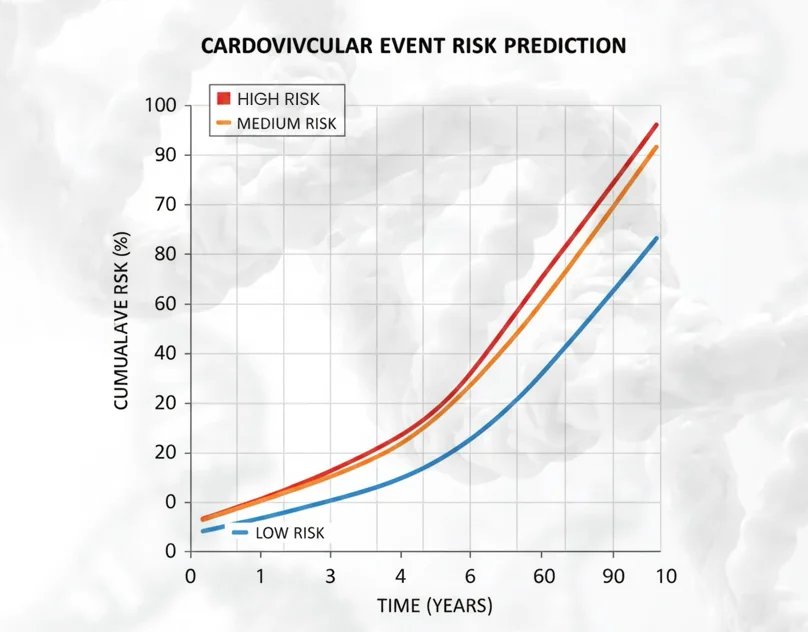
Studies show that people in the highest PRS group for some conditions, such as coronary heart disease, may have two to three times higher risk compared to those with average scores. Still, PRS shows risk, not certainty, and does not diagnose disease. 

Genetic testing is essential for PRS because it provides the raw data needed to calculate risk accurately. Without genetic testing, PRS cannot be measured. Modern genetic testing is safe, simple, and usually done at home using a swab test. The quality of testing directly affects how reliable the PRS result will be. 

While genetics play an important role, they are only part of the picture. Research suggests that genes may explain about 10% to 40% of risk for many common diseases. Lifestyle factors such as nutrition, exercise, sleep, and stress management still have a major impact. Even people with a high PRS can often lower their overall risk through healthy choices and early preventive care.

  • LifeCode Panel – Advanced Genetic Testing provides high-quality genetic analysis 
  • Helps translate complex genetic data into clear health insights 
  • Supports early awareness and preventive health planning 
  • Designed with privacy, accuracy, and care in mind 
  • Book a genetic consultation to understand your results with expert guidance 
  • Order a genetic testing kit (easy swab test) delivered to your home 

Your genes carry valuable information about your health. Take a proactive step today with LifeCode Advanced Genetic Testing and start your journey toward informed, personalized care at lifecode.life. 

January 14, 2026 Uncategorized