




Difference Between Preventive And Diagnostic Genetic Testing mob
Difference Between Preventive And Diagnostic Genetic Testing

Difference Between Preventive And Diagnostic Genetic Testing

Genetic testing is a powerful tool that helps people to understand health in a deeper way than running of those traditional medical tests. By examining DNA, the instruction that is mentioned manually inside every cell in the body, shall help just like those genetic testing can reveal important information about health now. Genetic testing is used for many purposes, but two of the most important categories are known to be preventive genetic testing and diagnostic genetic testing. 

Understanding those difference that lies between the two types of testing which can help in making several informed choices about the health care and plan with confidence. This article shall all explain both types, how they work, why they might matter, and how genetic testing can play a role in that modern medicine. 

Genetic testing is a medical test which shall identify alterations in genes, chromosomes, or proteins. Such changes affect how the body might work and can raise the risk of certain diseases or conditions. Genetic testing is a kind of help that can be used for many purposes, including diagnosis, risk prediction, carrier detection, and many more items. There are more than 77,000 different genetic tests that are available today.  

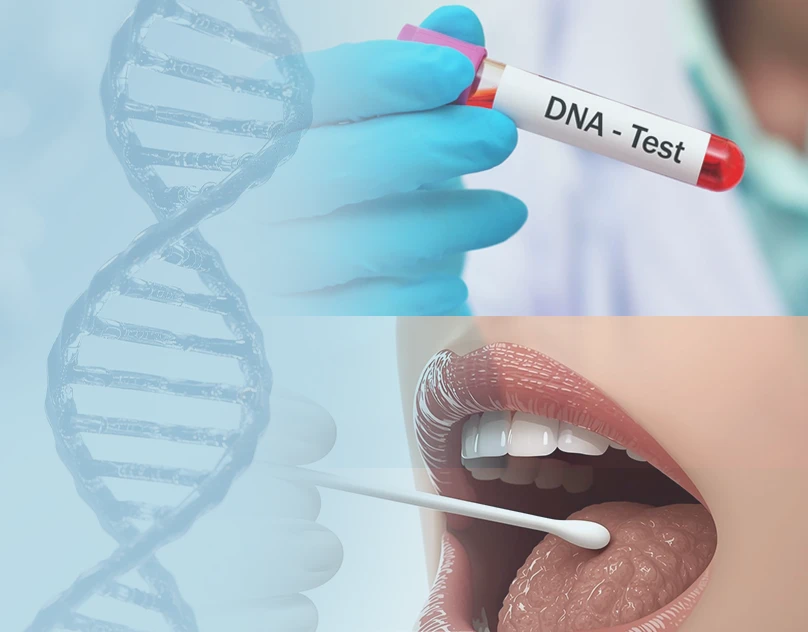
A genetic test might usually analyse DNA from a blood sample or those cheek swab. Laboratory specialists while looking for some of the specific alterations in the DNA which are known to be associated with several health issues. The outcomes can help in guiding medical decisions, family planning, and preventive health measures.  

Because DNA does not change over your lifetime (except in rare cases), genetic test outcomes are just so valid for life. This helps in making genetic testing useful so as to plan long-term health care and things shall go along proactive decisions. 

Preventive genetic testing is used when people might not have symptoms of a disease but may be at enhanced risk for developing it in the future. The goal of preventive such testing is to identify genetic factors that may raise a person’s chance of getting a disease before it shall eventually start. This type of testing can help an individual to act early, long before several symptoms shall appear. 

Preventive testing is at times known as predictive testingpresymptomatic testing, or risk screening. It is usually recommended for people who: 

  • Have a family history of a genetic disease 
  • Want to know their risk for specific conditions 
  • Are planning for the health of future children 
  • Wish to take early action through screening or lifestyle changes 

Preventive genetic tests help in having valuable for conditions where early detection makes a big difference in outcomes. For example, certain gene alters (including BRCA1 or BRCA2) significantly enhances the risk of breast and ovarian cancer. Knowing to have such a risk can help you begin screening earlier and make informed care decisions. 

  • BRCA gene testing for condition of breast and ovarian cancer risk 
  • Familial hypercholesterolemia testing for heart condition risk 
  • Predictive testing for Huntington’s disease 
  • Carrier testing to watch if one could pass a condition to a child 

A positive outcome in preventive testing does not mean one shall get a disease. It means the risk is higher than average, and the health team can all highly recommend tailored plans to monitor your health more closely or prevent disease before it starts. 


Diagnostic genetic testing is used when a person already has symptoms of a suspected genetic issue or when a health condition might need to be confirmed or ruled out. Such type of testing can all help the doctors to understand whether a specific genetic alteration is responsible for the symptoms a person is experiencing.  

When symptoms are present like those unusual developmental delays, physical signs of a genetic syndrome, or unexplained health conditions including diagnostic genetic testing as it can help in answering some of the important questions about the cause of those symptoms.  

Understanding as to how preventive and diagnostic testing shall differ can all help in knowing when and why each is used: 

  1. Purpose

  • Preventive Testing: Estimates the risk of developing a condition before one shall go along with the symptoms to appear. 
  • Diagnostic Testing: Confirms or rules out a suspected condition when signs or symptoms are already present.  
  1. Timing

  • Preventive: Performed when a person might be healthy or symptom-free. 
  • Diagnostic: Performed is about a person who has clear signs, symptoms, or clinical suspicion. 
  1. Outcome

  • Preventive: Helps in informing some of the future health including planning and screening strategies, often it shall guide lifestyle or monitoring choices. 
  • Diagnostic: Things can further provide a clear answer about the presence or absence of a genetic condition. 
  1. Interpretation

  • Preventive: Outcomes can all reflect enhanced or lowered risk and usually it can lead to monitoring or preventive measures. 
  • Diagnostic: Outcomes shall all confirm or rule out a specific condition and often guide treatment. 


Genetic testing is known to work by examining your DNA for changes known as variants or mutations. These changes can affect how your body functions or how likely you are to develop specific health issues.

sting usually involves these steps: 

  1. Sample Collection: A cheek swab or blood draw is taken. 
  2. Laboratory Analysis: The DNA is examined well for those specific variants. 
  3. Result Interpretation: A healthcare professional can review the findings with you. 
  4. Action Plan: Recommendations for further follow-up, screening, lifestyle changes, or treatment are discussed. 

 Results may show: 

  • No significant risk found 
  • Increased hereditary risk 
  • Confirmed condition (diagnostic) 

Each outcome can result with guidance on what to do next. Genetic counselling is usually recommended to help those individuals understand and cope with the several information. 

Genetic testing is known to play an increasingly vital role in modern preventive and personalized solutions. It can all help the doctors and patients look beyond traditional health markers and understand the underlying biology that might further influence health outcomes.

Some key roles of genetic testing include: 

  • Risk Prediction: Identifying enhanced risk before disease develops. 
  • Early Detection: Triggering earlier screenings or monitoring plans. 
  • Family Planning: Helping some of the people to understand how genetic conditions might pass to children. 
  • Treatment Decisions: Guiding personalized choices which is all based on the DNA. 
  • Reassurance: Lowering uncertainty when results are normal. 

By providing several information about your unique genetic makeup, such tests support proactive health care. Genetic outcomes might influence lifestyle choices, preventive care, and medical screening schedules while giving you and your health care team the power to act before some of the Severe health issues emerge. 

For example, someone with a high genetic risk for colon cancer might begin colonoscopy screening at the younger age than average. Someone with a genetic variant which can affect drug metabolism might receive medications better suited to the genetic profile. 

Genetic counselling plays a central role in interpreting test outcomes and helping individuals to understand both emotional and medical implications. A trained genetic counsellor shall explain outcomes in simple terms, supports decision-making, and offers compassionate guidance throughout the process. 


Genetic testing can be used in many areas of health: 

  • Cancer risk: BRCA genes for breast and ovarian cancer 
  • Heart disease: Familial hypercholesterolemia 
  • Neurological conditions: Huntington’s disease 
  • Rare genetic disorders that affect children or adults 
  • Carrier testing to inform reproductive decisions 

Each use has its place in preventive or diagnostic strategies, and this can usually be about types of testing as part of a person’s health plan.

At LifeCode, it offers Advanced Genetic Testing Panels designed to help and understand those unique genetic health risks and take proactive steps sooner. 

The panels shall simply combine well-researched gene analysis with compassionate support and clear guidance. Whether you are considering preventive testing to assess future disease risk or looking to understand the genetic health today. LifeCode helps in providing the tools and expertise to support your journey. 

 LifeCode testing is done with a simple, non-invasive swab sample that you can collect at home. Results are further provided with trusted interpretation from certified professionals. While making make complex genetic information easy to understand and use.


  • Comprehensive genetic risk assessment. 
  • Professional interpretation and counselling support. 
  • Easy home sample collection. 
  • Confidential and secure handling of your data. 

Knowing the genetic risks and health profile empowers while taking control of your health and future. Early insights allow better planning, tailored screenings, and peace of mind. 

  • Book a genetic consultation with a qualified expert. 
  • Order a genetic testing kit (simple swab test at home). 

The health journey starts with clarity and care. Choose proactive health. Choose LifeCode. 

January 5, 2026 Uncategorized